Kendrick Lamar tracklist updated 08/2026
"Nigga, we gon' be alright Nigga, we gon' be alright"
-- from Alright
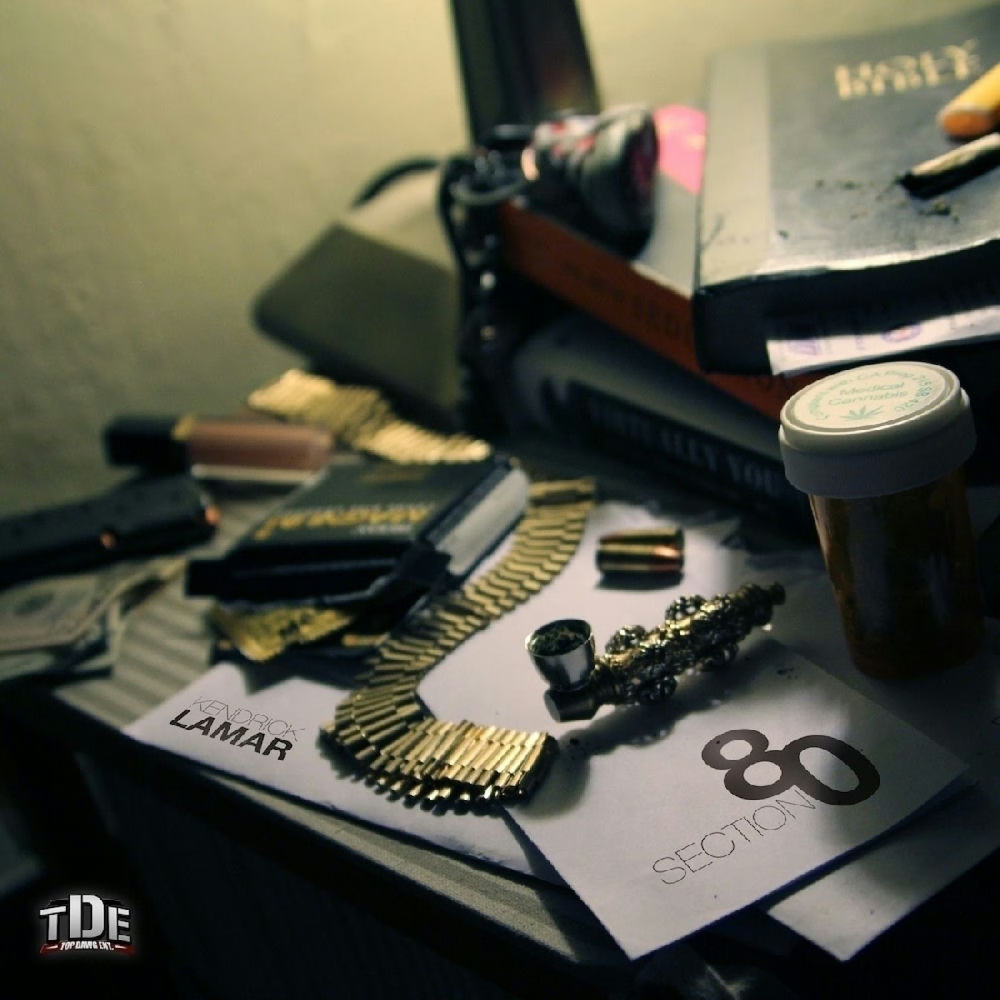
He was born in 1987, the middle child of a family that had moved from Chicago to Compton to escape the violence of the Midwest, only to land in a city with its own wars. His parents kept the household together through his childhood, and he kept a notebook, filling it with rhymes that turned the block into literature. He studied the rappers who came before him, released mixtapes that circulated through the neighborhood, and built a reputation so strong that the majors came to him. Section.80, his first proper release, showed a writer who could move from autobiography to social commentary without changing gears, and it earned him the attention of Dr. Dre, who signed him to Aftermath and helped launch the full-length career that followed.
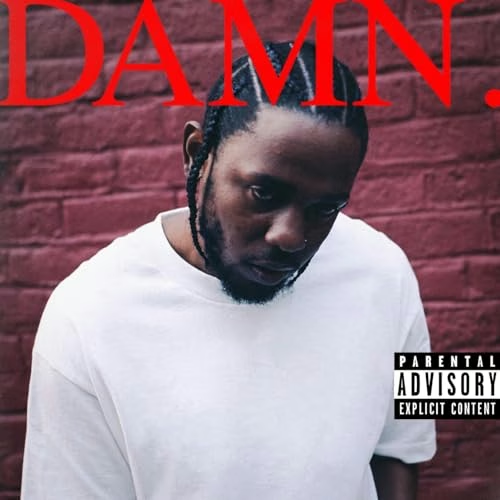
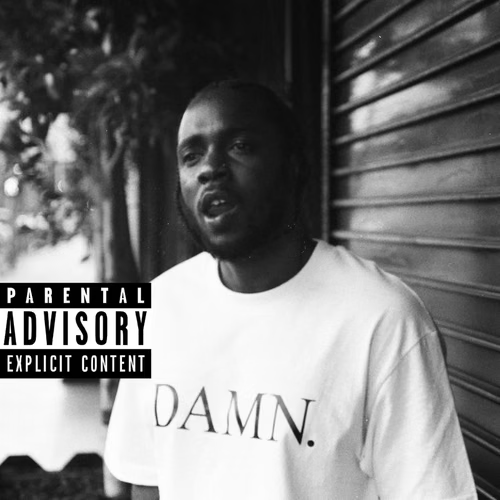
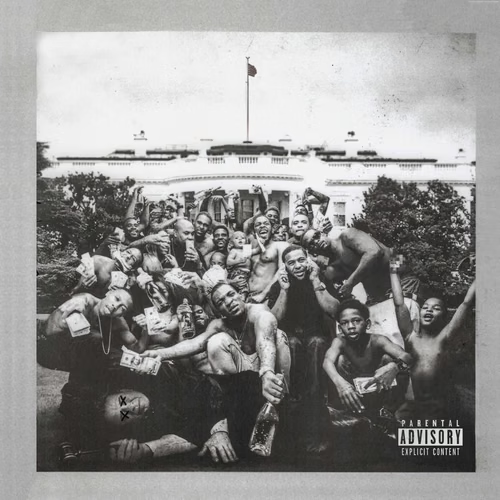
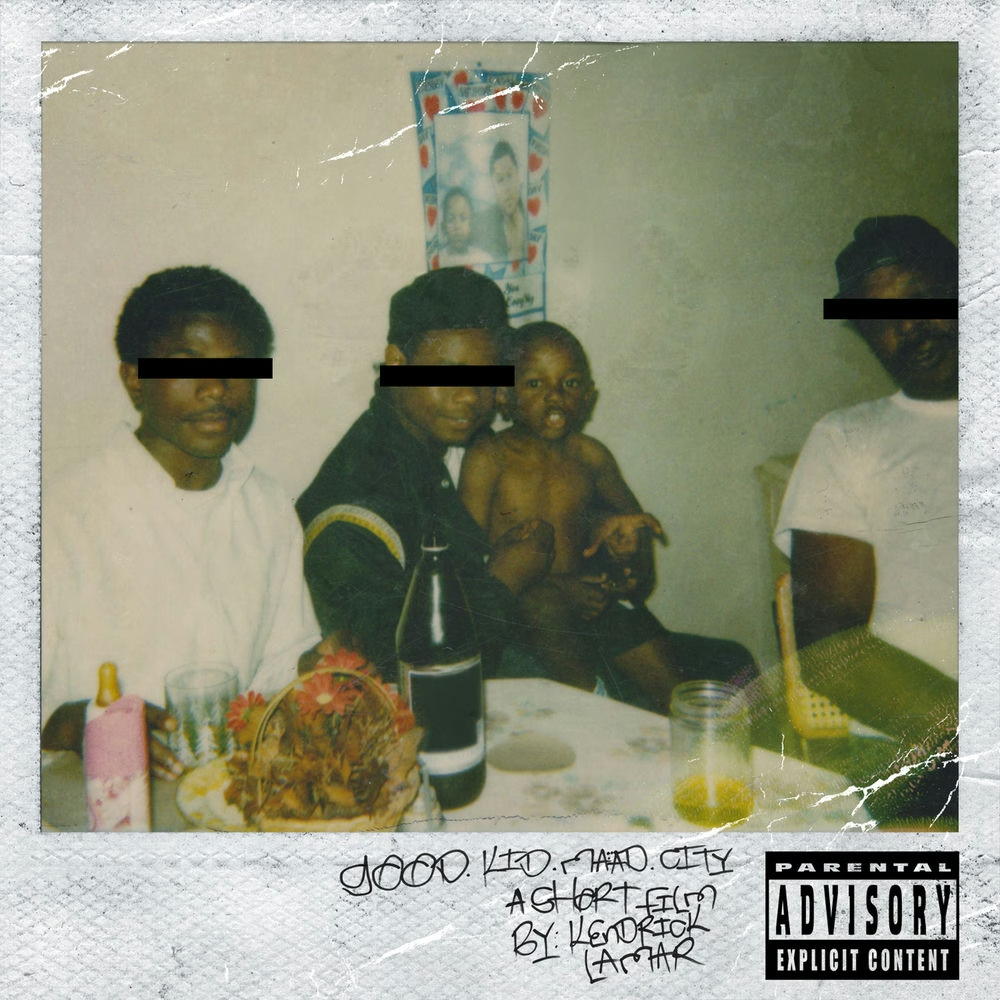
The leap came in 2012 with good kid, m.A.A.d city, a full-length album that played like a short film, one teenage day in Compton told through a string of vignettes, and it reset the standard for what rap albums could be. He followed it with To Pimp a Butterfly, a jazz-rooted epic that took on Black America's past and present, and then DAMN., a tight, obsessive record about the voices in his head. The Pulitzer board called DAMN. a virtuosic song collection unified by its vernacular authenticity and rhythmic dynamism, and the award made history.
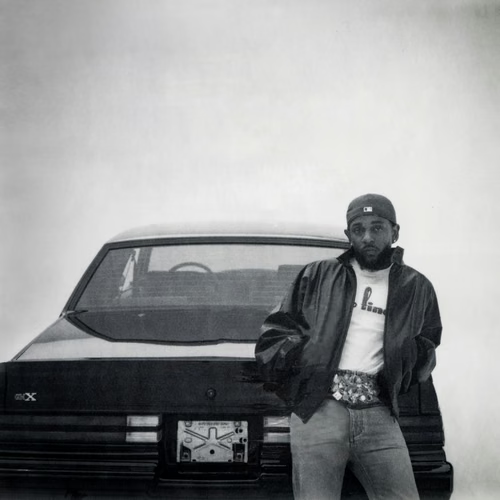
He had already changed the game once with Control, a guest verse that named his rivals and reshaped rap's competitive culture.
He was born in 1987, the middle child of a family that had moved from Chicago to Compton to escape the violence of the Midwest, only to land in a city with its own wars. His parents kept the household together through his childhood, and he kept a notebook, filling it with rhymes that turned the block into literature. He studied the rappers who came before him, released mixtapes that circulated through the neighborhood, and built a reputation so strong that the majors came to him. Section.80, his first proper release, showed a writer who could move from autobiography to social commentary without changing gears, and it earned him the attention of Dr. Dre, who signed him to Aftermath and helped launch the full-length career that followed.
The leap came in 2012 with good kid, m.A.A.d city, a full-length album that played like a short film, one teenage day in Compton told through a string of vignettes, and it reset the standard for what rap albums could be. He followed it with To Pimp a Butterfly, a jazz-rooted epic that took on Black America's past and present, and then DAMN., a tight, obsessive record about the voices in his head. The Pulitzer board called DAMN. a virtuosic song collection unified by its vernacular authenticity and rhythmic dynamism, and the award made history. He had already changed the game once with Control, a guest verse that named his rivals and reshaped rap's competitive culture.
He does not rest on the heights. Mr. Morale and the Big Steppers put therapy on record, an album-length confession about generational trauma and healing, and GNX returned to his roots with a harder sound. Seventeen Grammys, a Super Bowl halftime show, and the standing of his generation's leading rapper have not made him comfortable, and that discomfort is the engine. He is the kid with the notebook who made the world read it, the poet who made Compton a literary setting, the artist who made the hood a classroom. The Pulitzer was just the paper catching up with what the block already knew.
Sources: Hotsupper research, Wikipedia, NPR (Pulitzer Prize coverage), Britannica, Wikidata