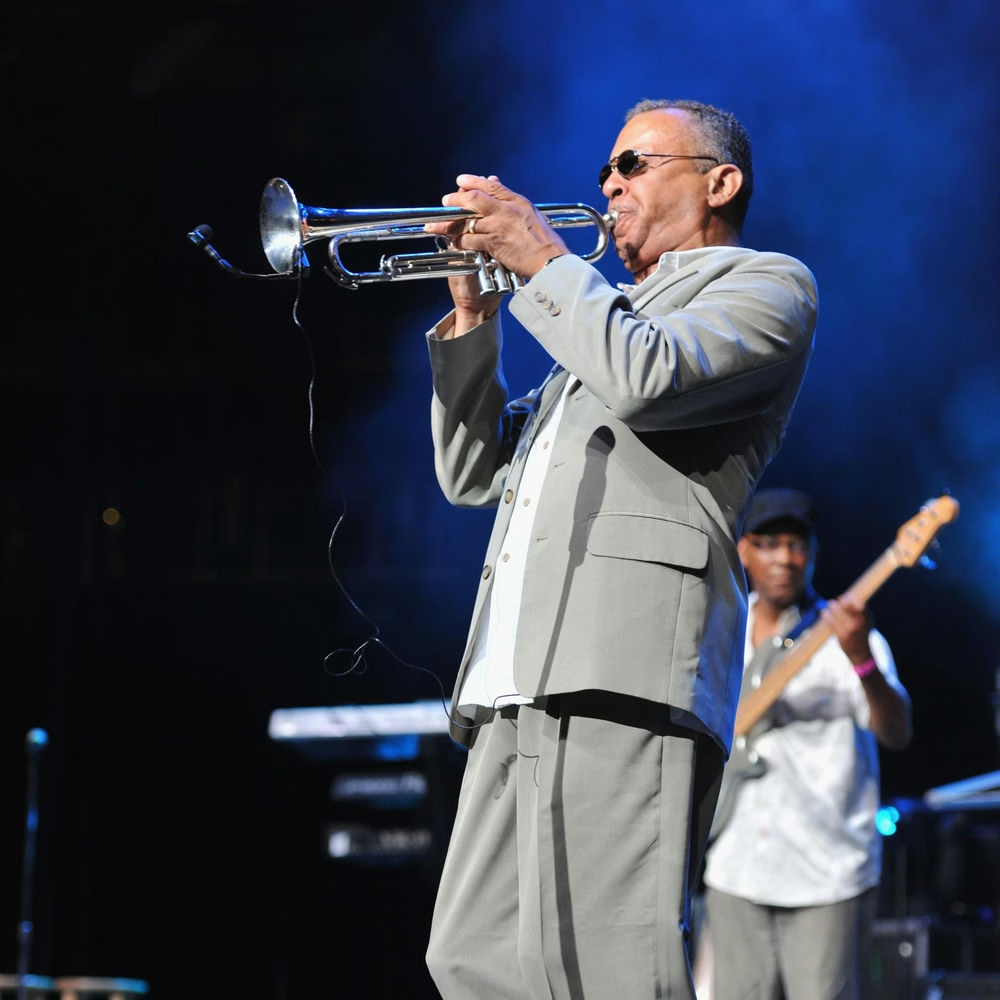
Born October 30, 1954, in Jamaica, Queens, Browne came up inside one of the richest musical neighborhoods in New York history. He studied classical trumpet, won a scholarship with Murray Karpilovsky, and cut classes at the High School of Music and Art to jam in the auditorium with whoever showed up. Around him in Jamaica, St. Albans, and Hollis, a generation of teenage virtuosos was forming a loose alliance called the Jamaica Kats: Marcus Miller on bass, Omar Hakim on drums, Bernard Wright on keys, Winky Flythe on sax and talk, Don Blackman on everything. Their elders were Weldon Irvine, Nina Simone's musical director turned neighborhood sage, and Lenny White, fresh from Bitches Brew. They treated jazz and funk as one language, and they were about to prove it.
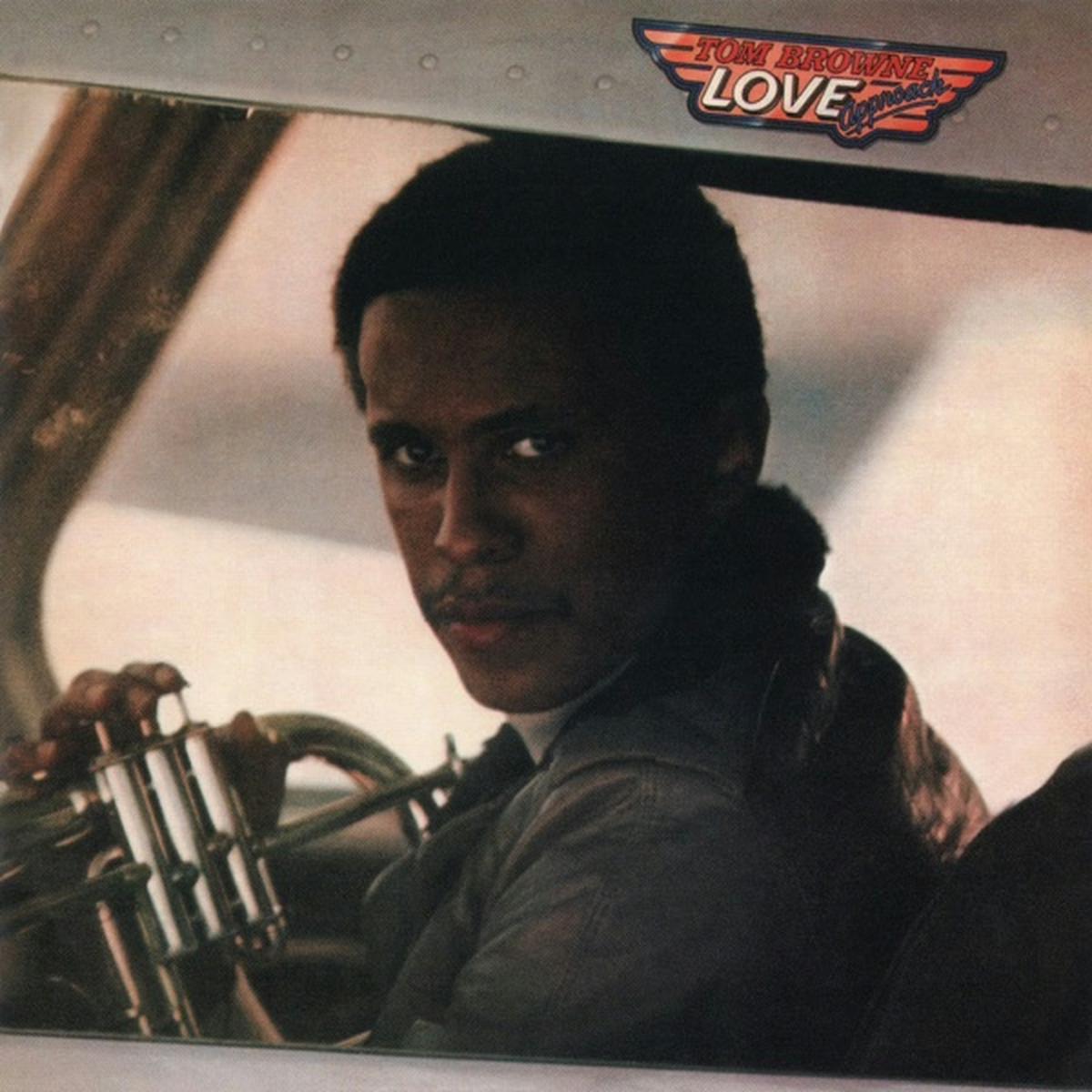
In 1980, with Love Approach finished and the label asking for one more track, Browne pulled a bassline out of his parents' attic and built "Funkin' for Jamaica (N.Y.)" on top of it, concept on top of concept, each player contributing personality. Bernard Wright, fifteen years old, played the synth bass that became the record's gravity. Toni Smith sang lead with a voice so commanding that Chaka Khan herself thought she had recorded it. The single went number one R&B for four weeks, gold album, UK top ten, and the mainstream pop chart never once acknowledged it. Billboard later used the record as a case study in the limits of crossover. The audience needed no case study. They already had the groove.
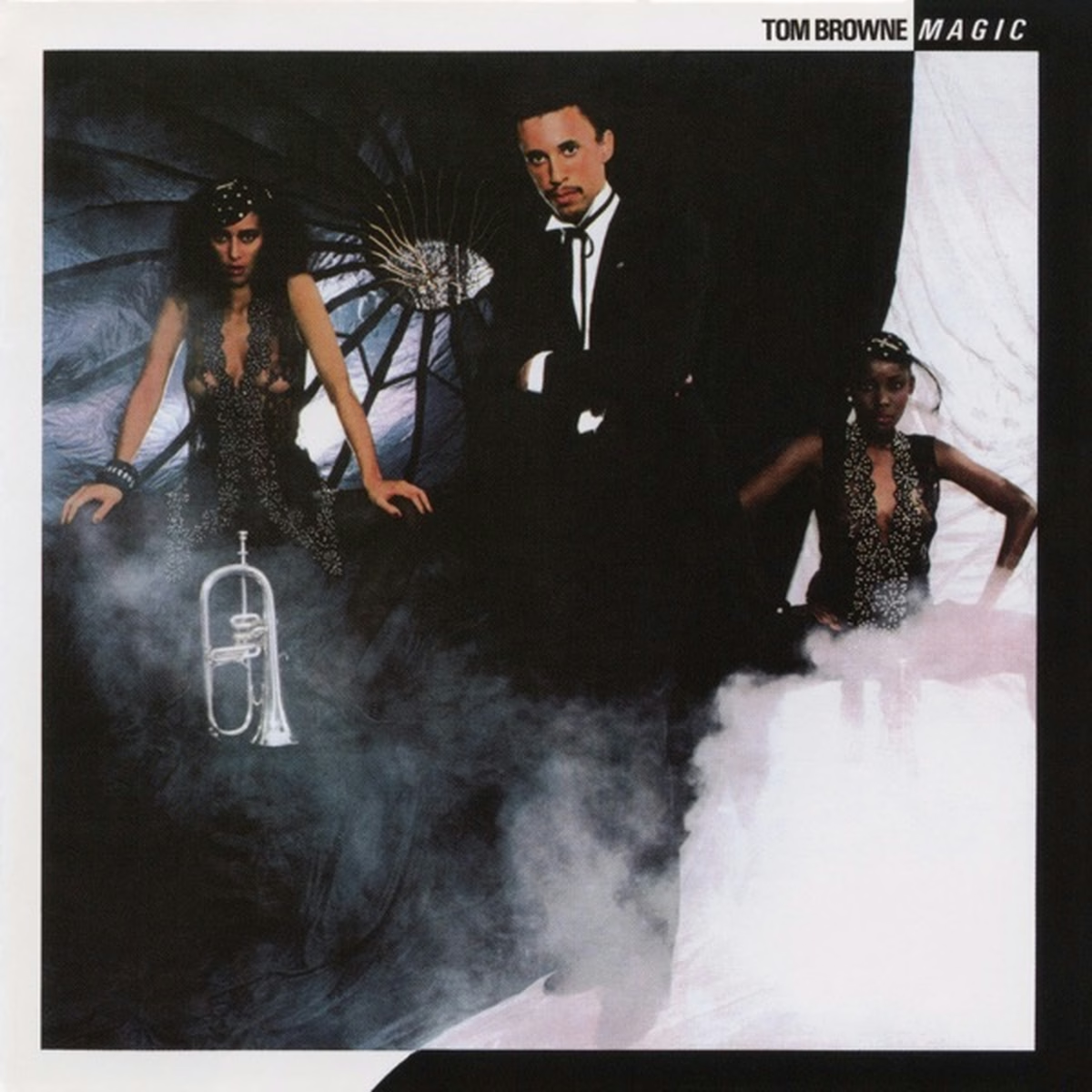
The industry wanted Browne to stay in the pocket forever. He wanted to play straight-ahead jazz. He released a string of albums, never quite catching that lightning again, then made the unexpected move: he trained as a commercial pilot and flew 747s above the noise. He kept playing, kept revisiting the song, and watched his two notes get borrowed by The Evasions, Tone Loc, Coolio, Mariah Carey, and generations of producers. The record he built in an attic outlived every chart argument. Forty-five years on, it still sounds like the future, and somewhere overhead, the jazzman it was named for is still flying.
The industry wanted Browne to stay in the pocket forever. He wanted to play straight-ahead jazz. He released a string of albums, never quite catching that lightning again, then made the unexpected move: he trained as a commercial pilot and flew 747s above the noise. He kept playing, kept revisiting the song, and watched his two notes get borrowed by The Evasions, Tone Loc, Coolio, Mariah Carey, and generations of producers. The record he built in an attic outlived every chart argument. Forty-five years on, it still sounds like the future, and somewhere overhead, the jazzman it was named for is still flying.