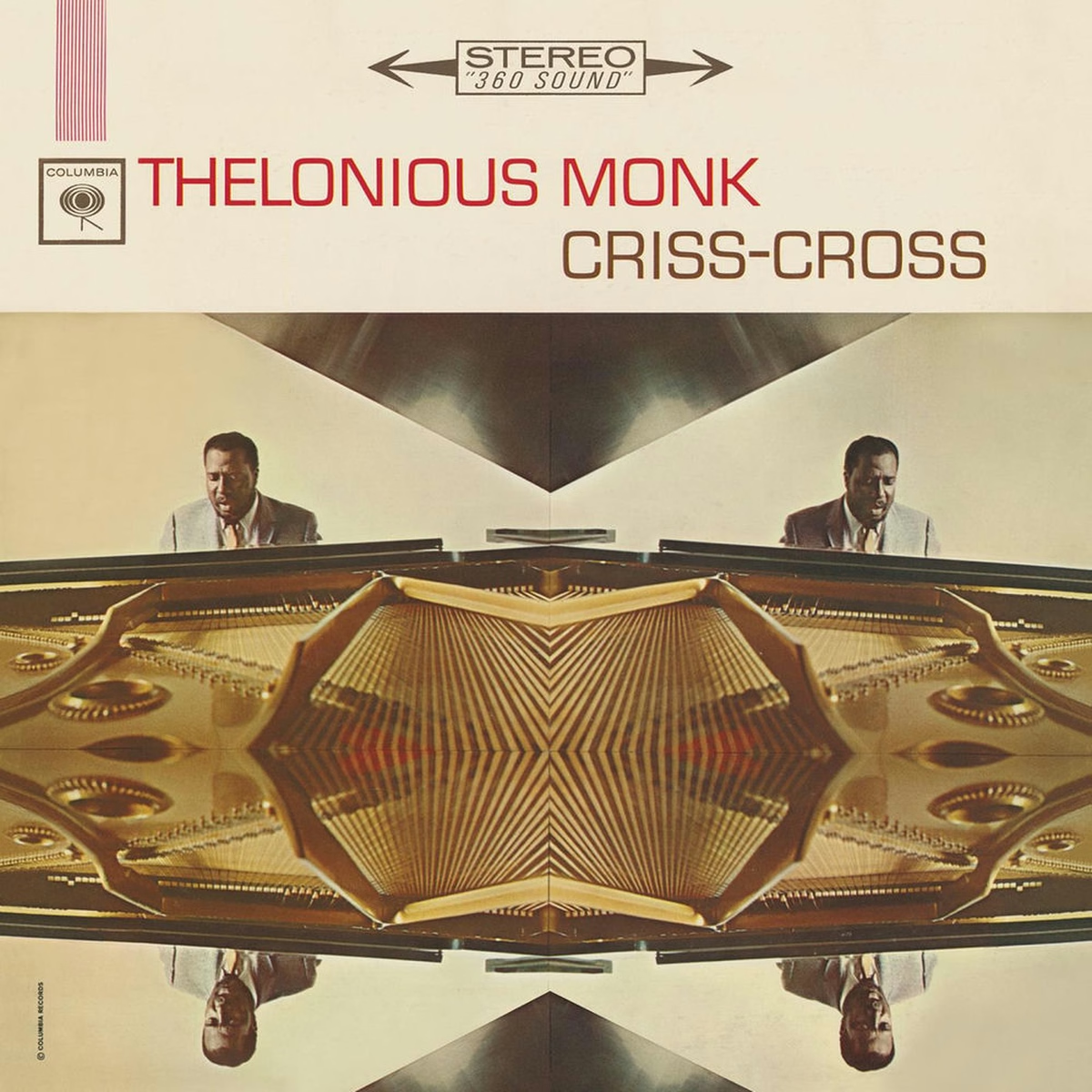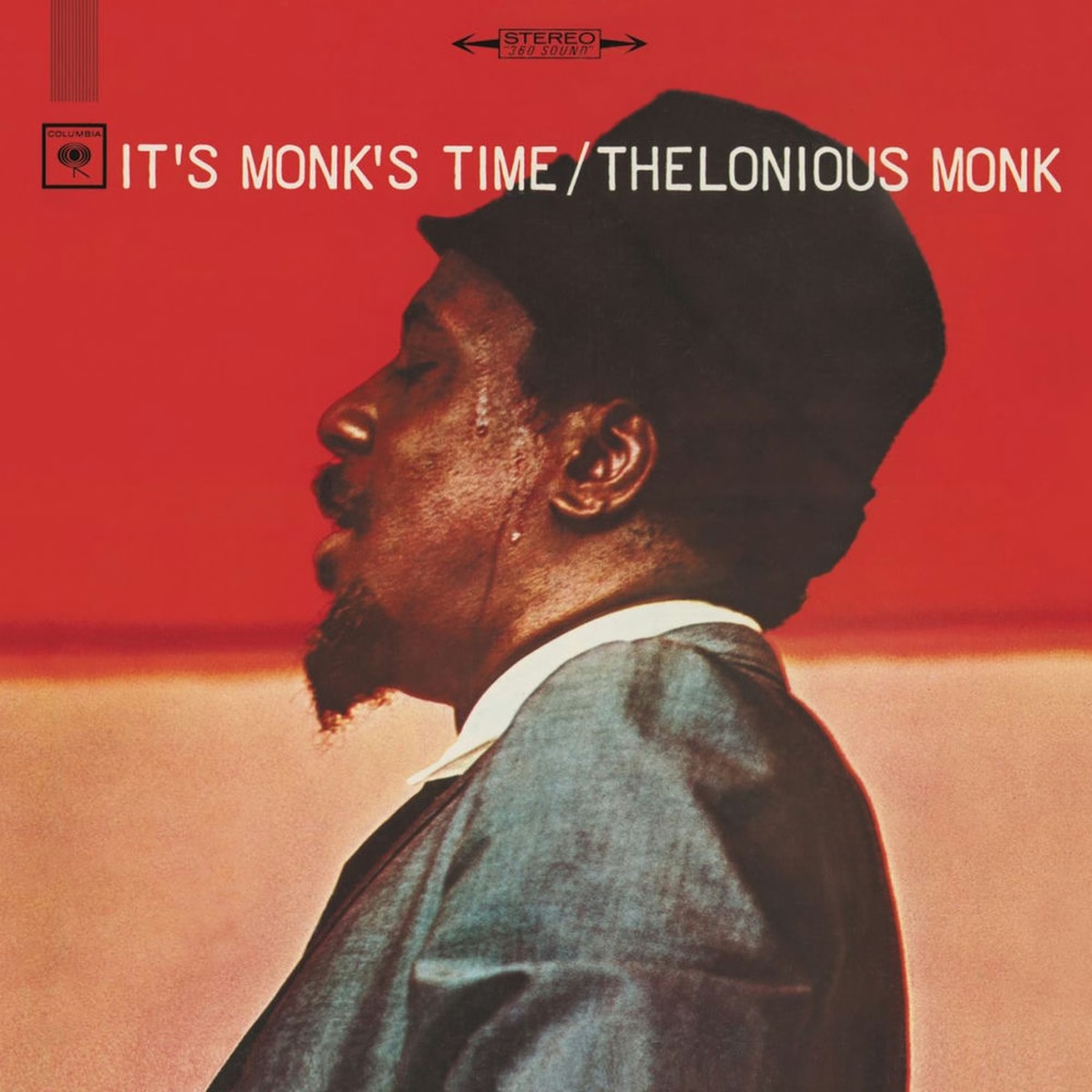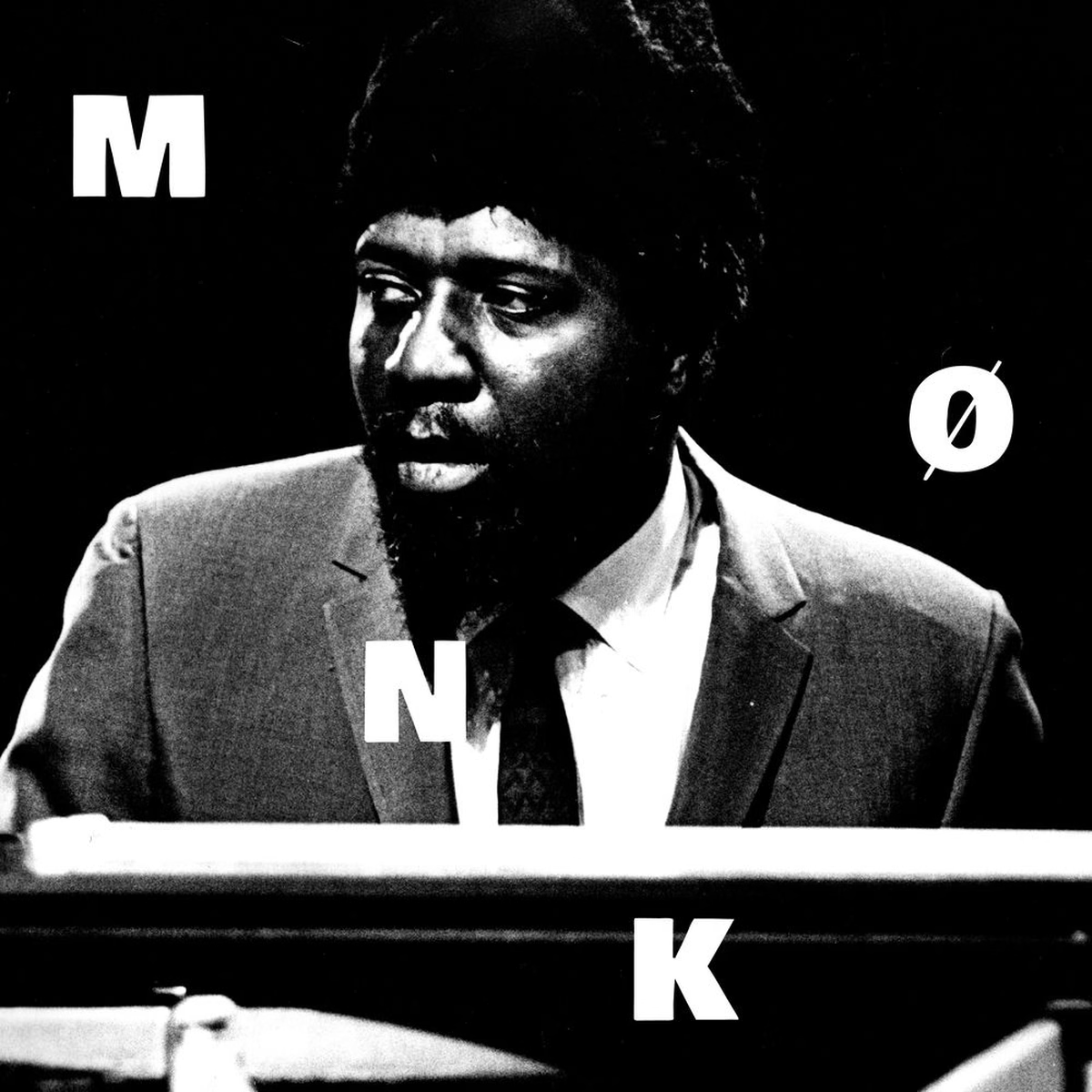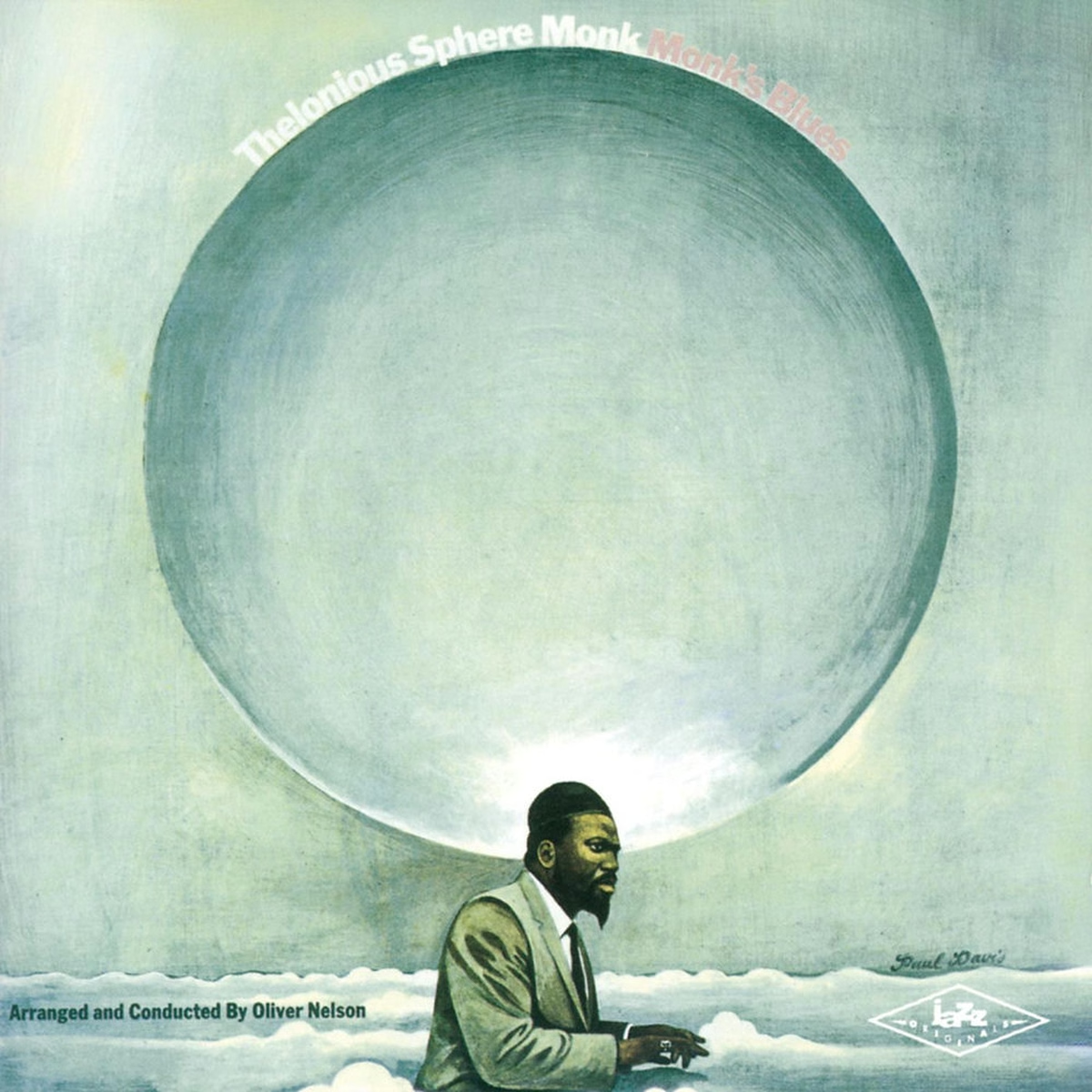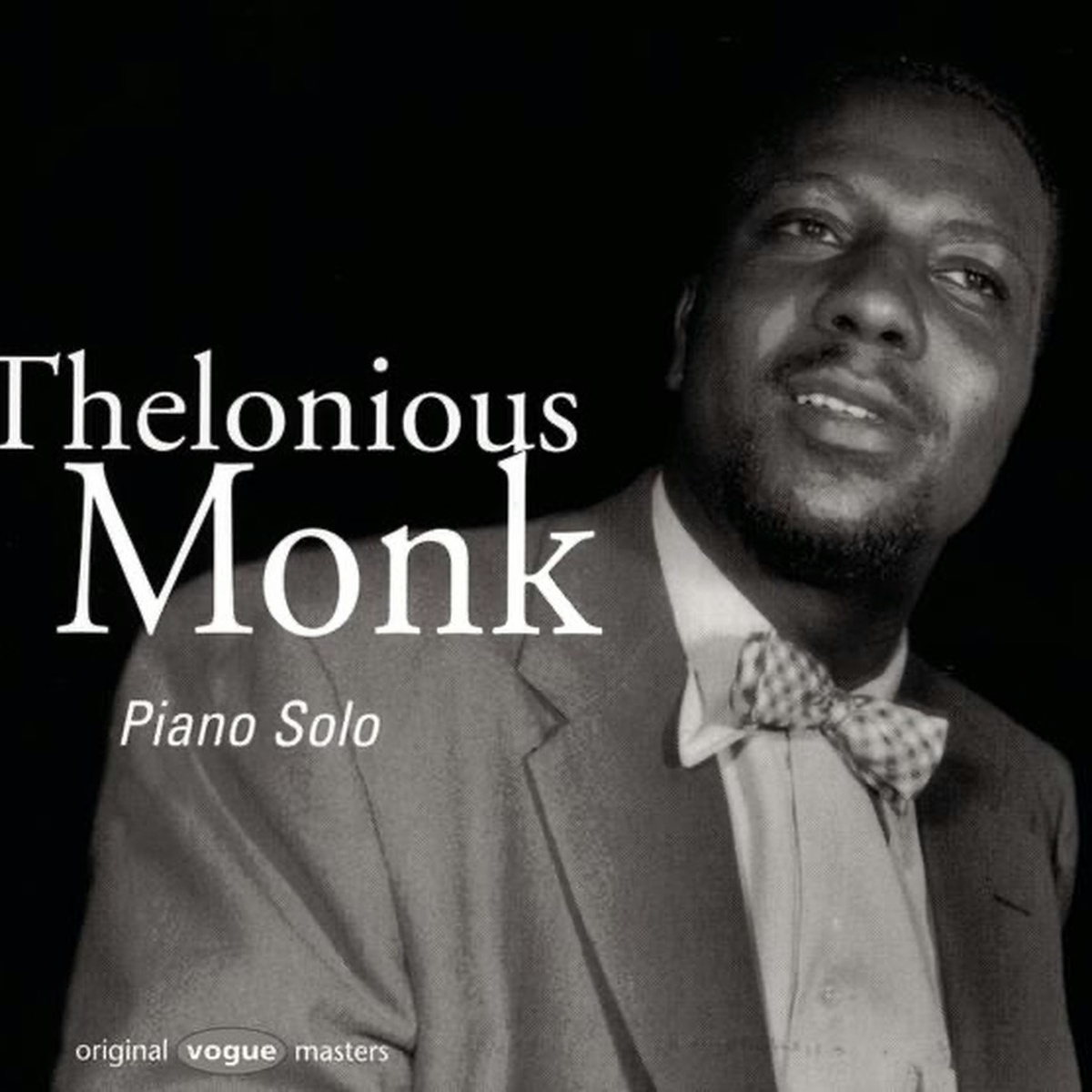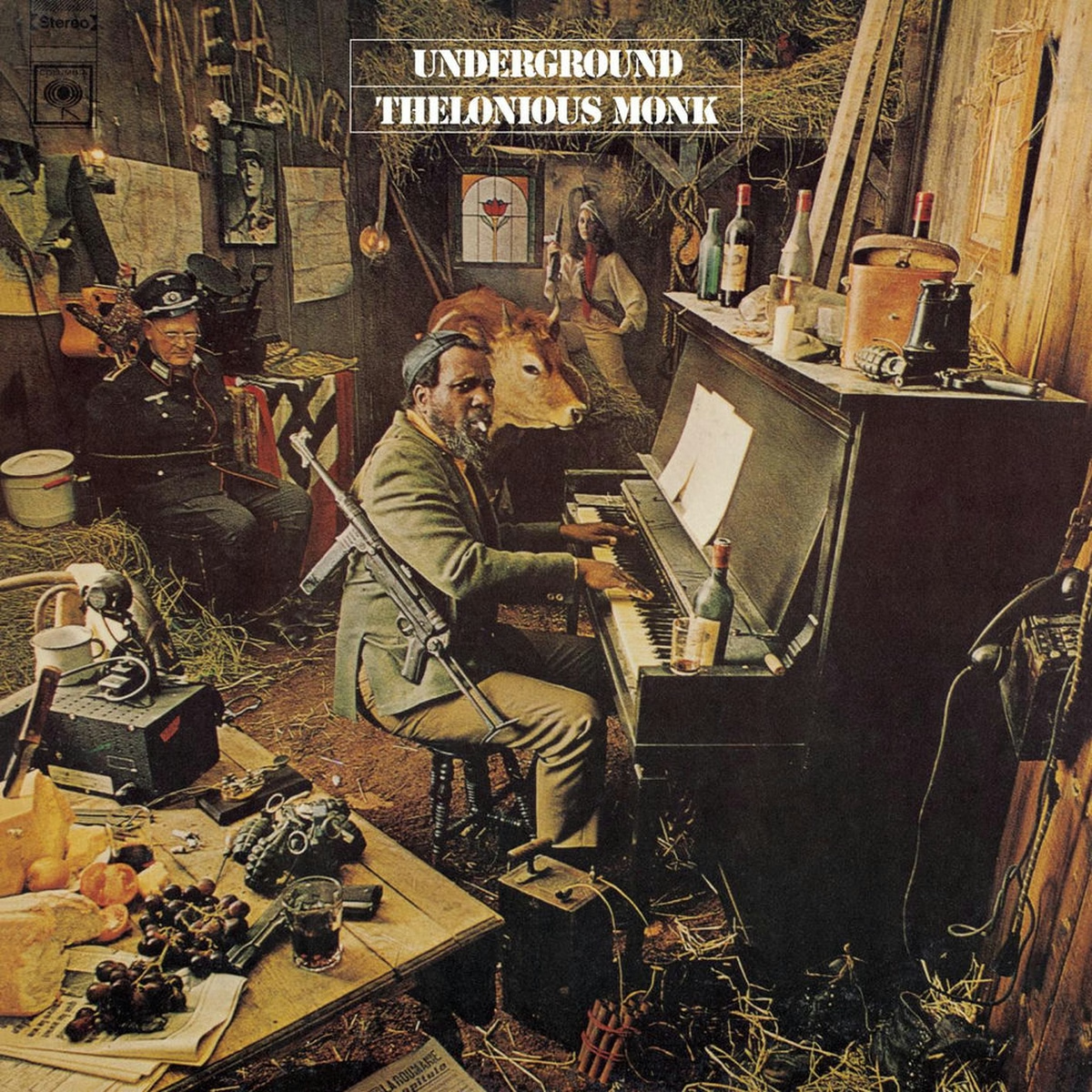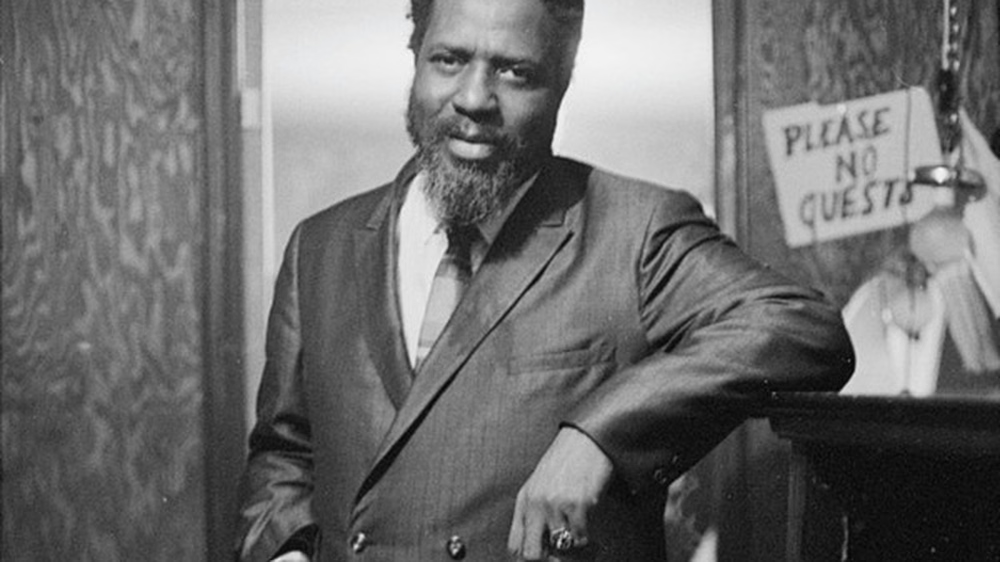
Thelonious Monk
1917 – 1982 (65)
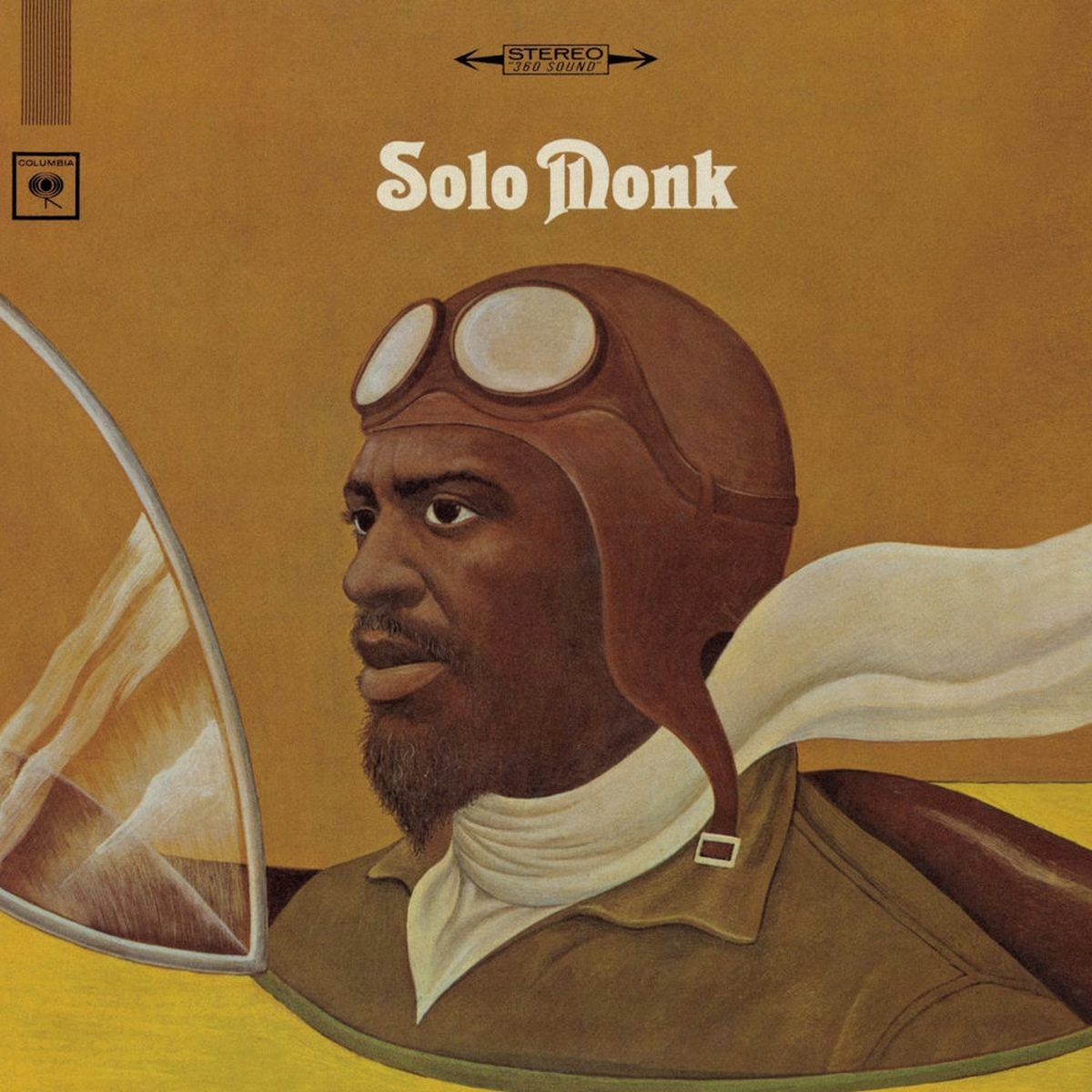
Most pianists touch the keys with the pads of their fingers, curved and careful. Monk played with his hands flat, fingers stretched wide, elbows at odd angles, and the notes he hit sounded like a door slamming shut in a room full of whispering. He was the house pianist at Minton's Playhouse in the early forties, the club where bebop was being invented, and while the young lions around him were chasing speed and virtuosity, he was building something slower and stranger.
01 Caravan
02 Epistrophy
03 Well You Needn't
B1 Thelonius
B2 Locomotive
B3 Sweet and Lovely

Thelonious Monk tracklist updated 08/2026

His melodies took sharp turns, stopped in unexpected places, and waited. To a generation taught that jazz meant flow, his music sounded like it was broken. To the players, it sounded like the future.

"'Round midnight, and I'm wondering what's become of me I'm the same old me, the same old me, the same old me"

-- from 'Round Midnight

He came out of North Carolina, born in 1917, and grew up in Manhattan hearing the trains pass through the neighborhood, rhythms that later showed up in his compositions. He wrote nearly a hundred tunes, and most of them became standards, but acceptance came slowly. For years the critics called his playing clumsy and his songs unplayable. He lost his cabaret card, the license a musician needed to work in New York clubs, and spent the early fifties cut off from the rooms where his music would have been heard. A friend in high places, the Baroness Pannonica de Koenigswarter, kept him going through the years when the public did not understand him.

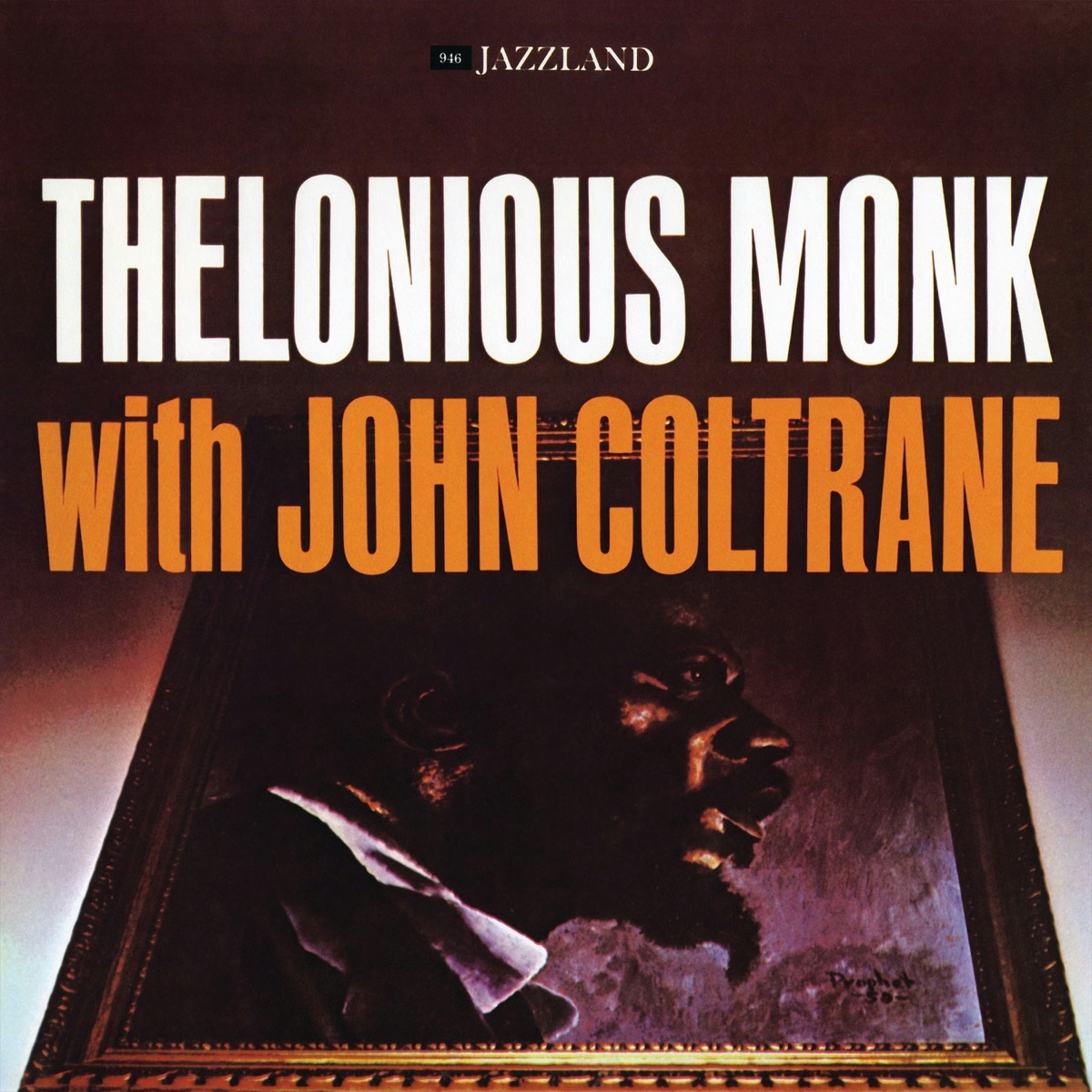
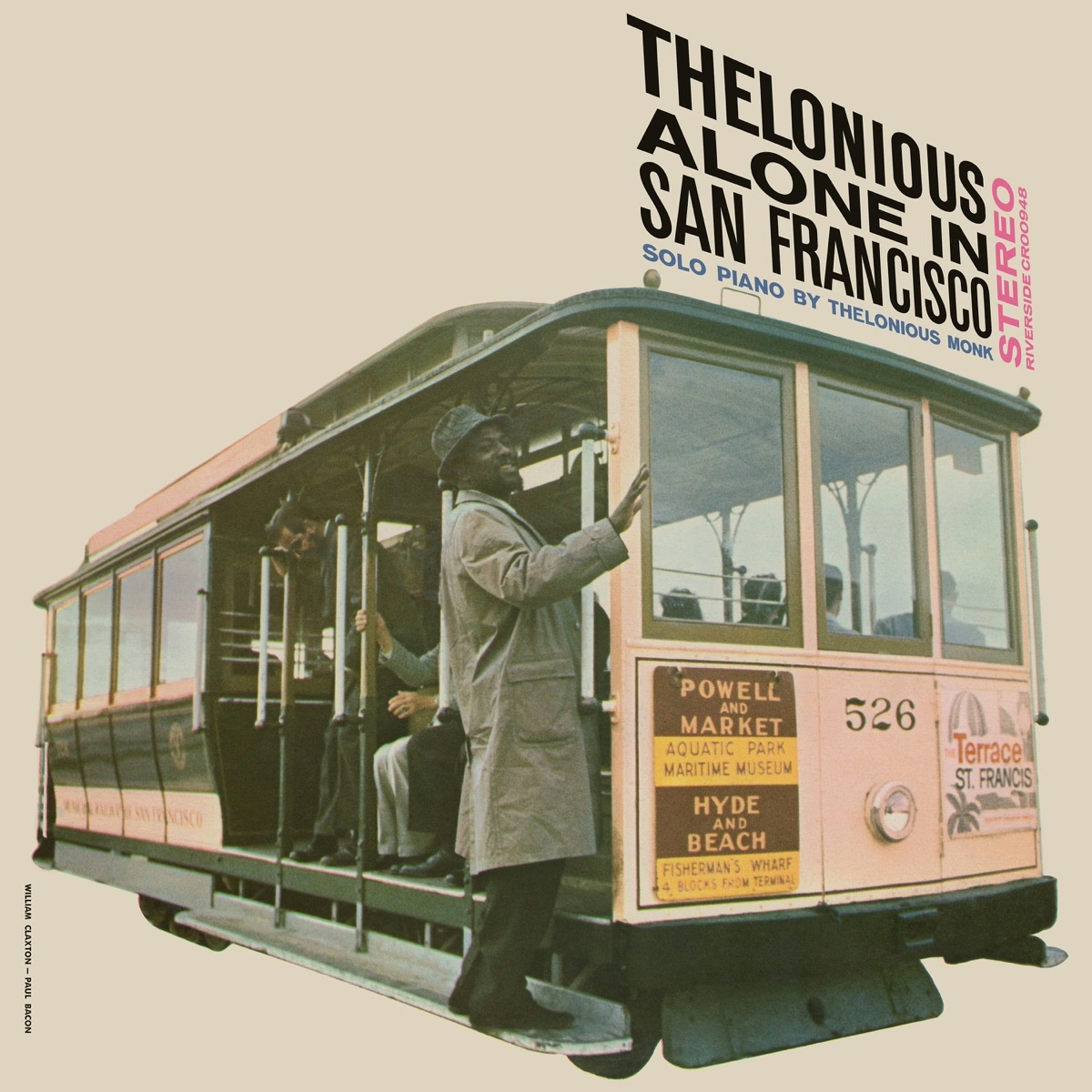
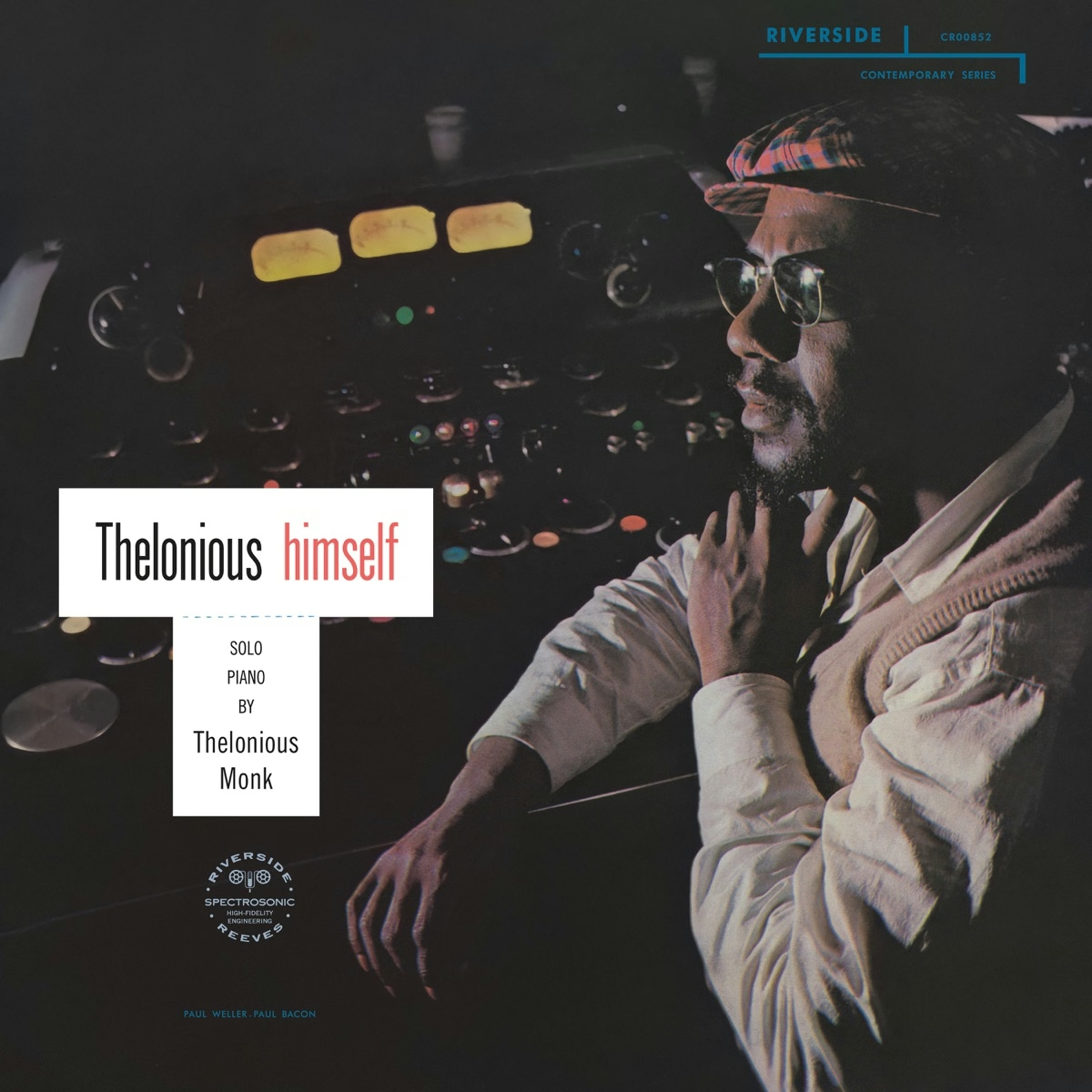
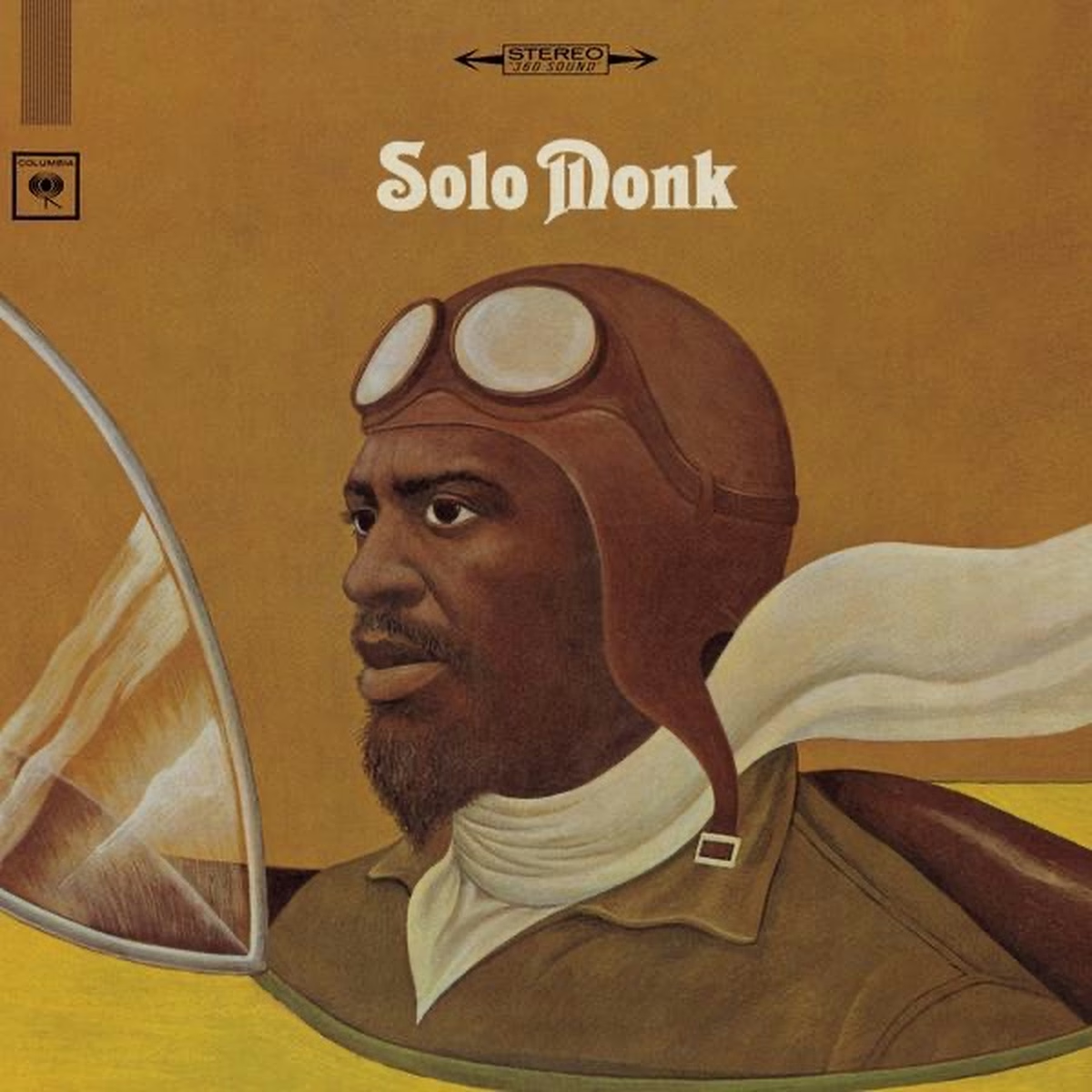
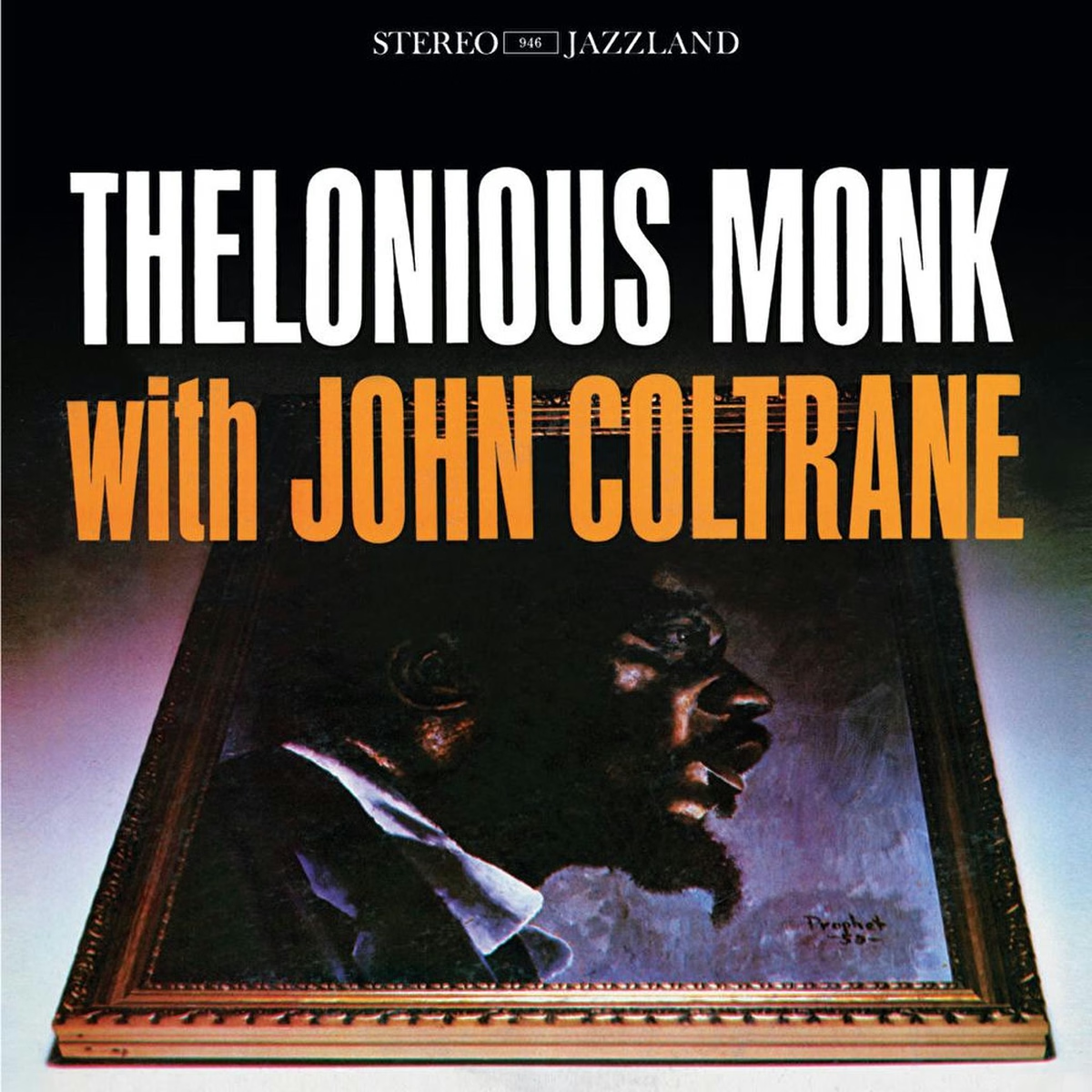
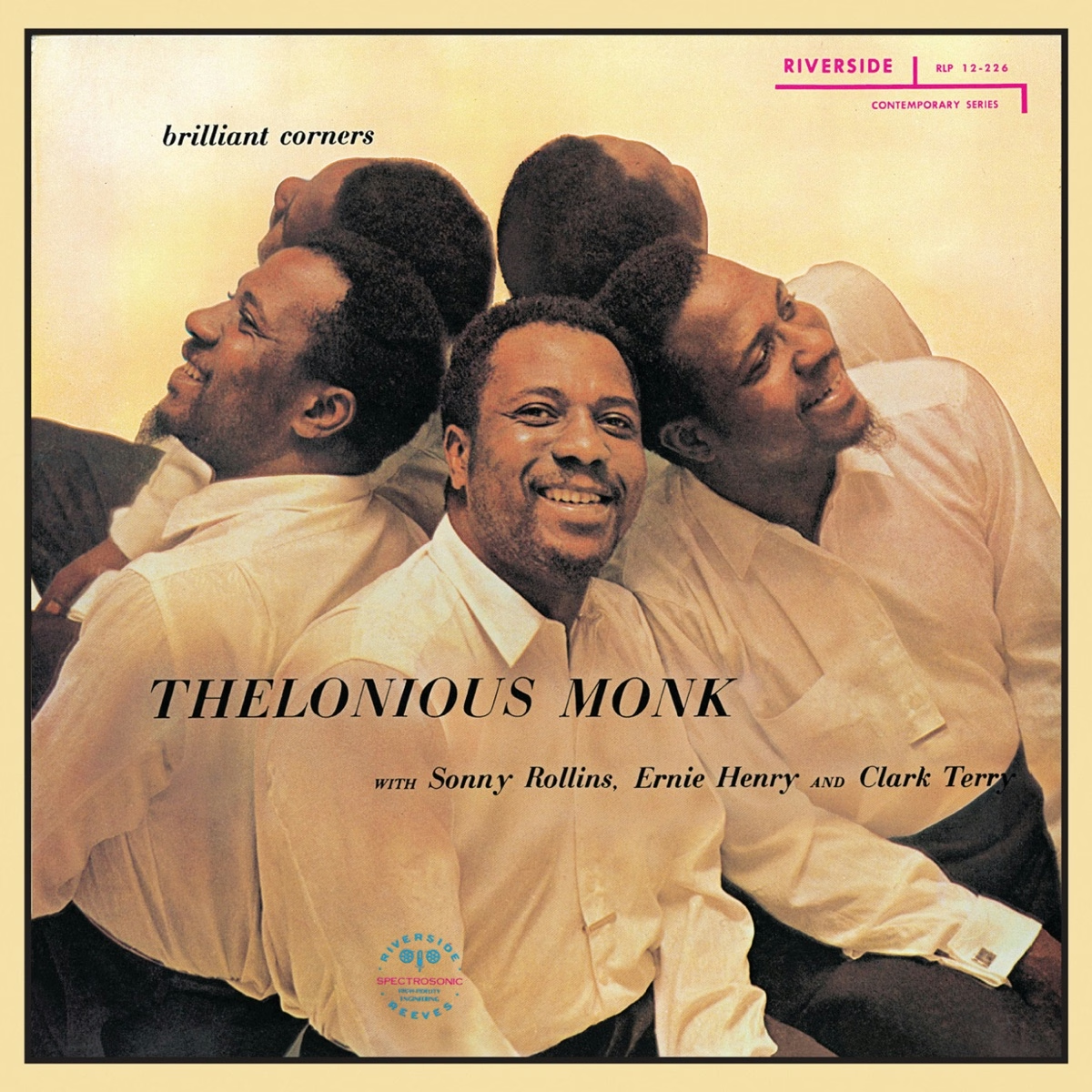
Everything changed in 1957, when he opened at the Five Spot with a quartet that included John Coltrane. The residency ran for months and became the turning point of his career. The music was angular and percussive, full of silence and sudden movement, and he danced around the piano while he played, a habit that looked like eccentricity to the press and pure listening to the musicians who worked with him: he was following the sound with his whole body. The records from those years, especially Brilliant Corners, which took more than a dozen takes to complete because the music was so demanding, and his solo sessions, show a composer who knew exactly what he was doing.
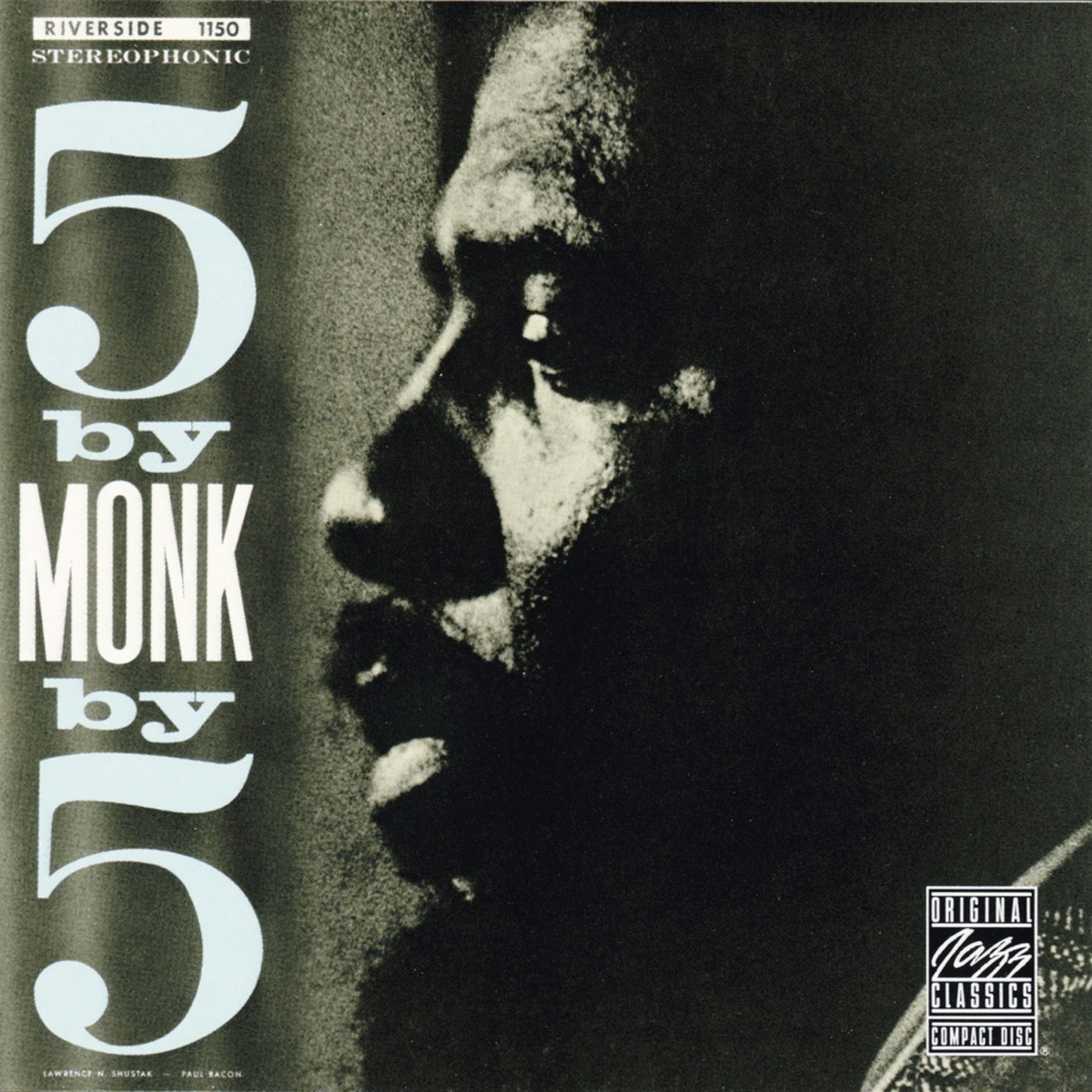
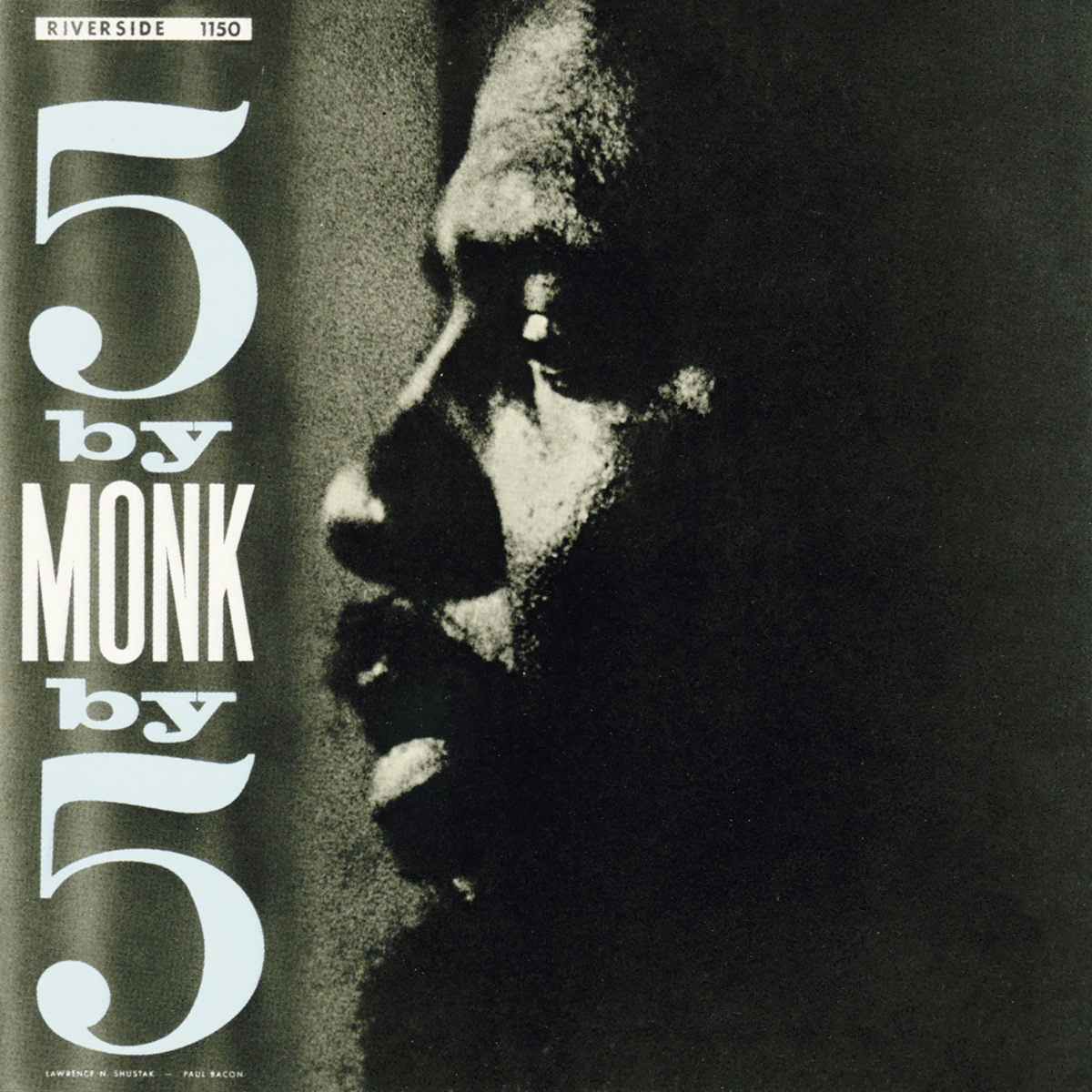
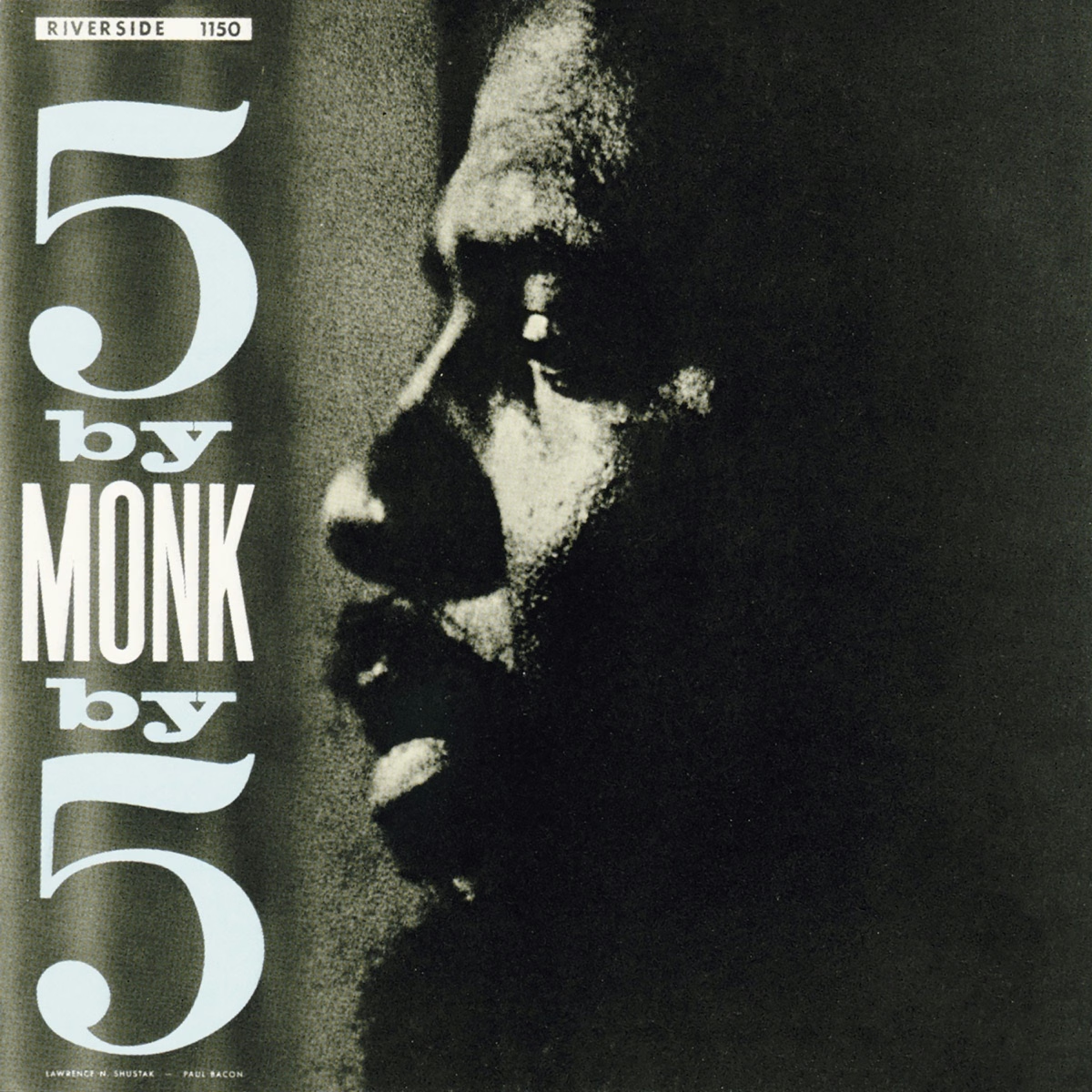
5 by Monk by 5

He had built a complete musical language, with its own rules, its own humor, its own way of making dissonance feel like home.

He came out of North Carolina, born in 1917, and grew up in Manhattan hearing the trains pass through the neighborhood, rhythms that later showed up in his compositions. He wrote nearly a hundred tunes, and most of them became standards, but acceptance came slowly. For years the critics called his playing clumsy and his songs unplayable. He lost his cabaret card, the license a musician needed to work in New York clubs, and spent the early fifties cut off from the rooms where his music would have been heard. A friend in high places, the Baroness Pannonica de Koenigswarter, kept him going through the years when the public did not understand him.

Everything changed in 1957, when he opened at the Five Spot with a quartet that included John Coltrane. The residency ran for months and became the turning point of his career. The music was angular and percussive, full of silence and sudden movement, and he danced around the piano while he played, a habit that looked like eccentricity to the press and pure listening to the musicians who worked with him: he was following the sound with his whole body. The records from those years, especially Brilliant Corners, which took more than a dozen takes to complete because the music was so demanding, and his solo sessions, show a composer who knew exactly what he was doing. He had built a complete musical language, with its own rules, its own humor, its own way of making dissonance feel like home.

He made the cover of Time in 1964 and won a Guggenheim fellowship in 1972, then quietly stepped away from performing in the seventies and lived out his final years with Pannonica, dying in 1982. The music outgrew the silence. His compositions are now taught in every jazz program, studied the way classical musicians study Bach. Every pianist who has ever played a flatted fifth or stopped time to let a note ring is borrowing from the house he built. He made the melody that refuses to behave, and it turned out to be the one that lasts.

Sources: Hotsupper research, Wikipedia, Robin D. G. Kelley (Thelonious Monk: The Life and Times of an American Original), Wikidata

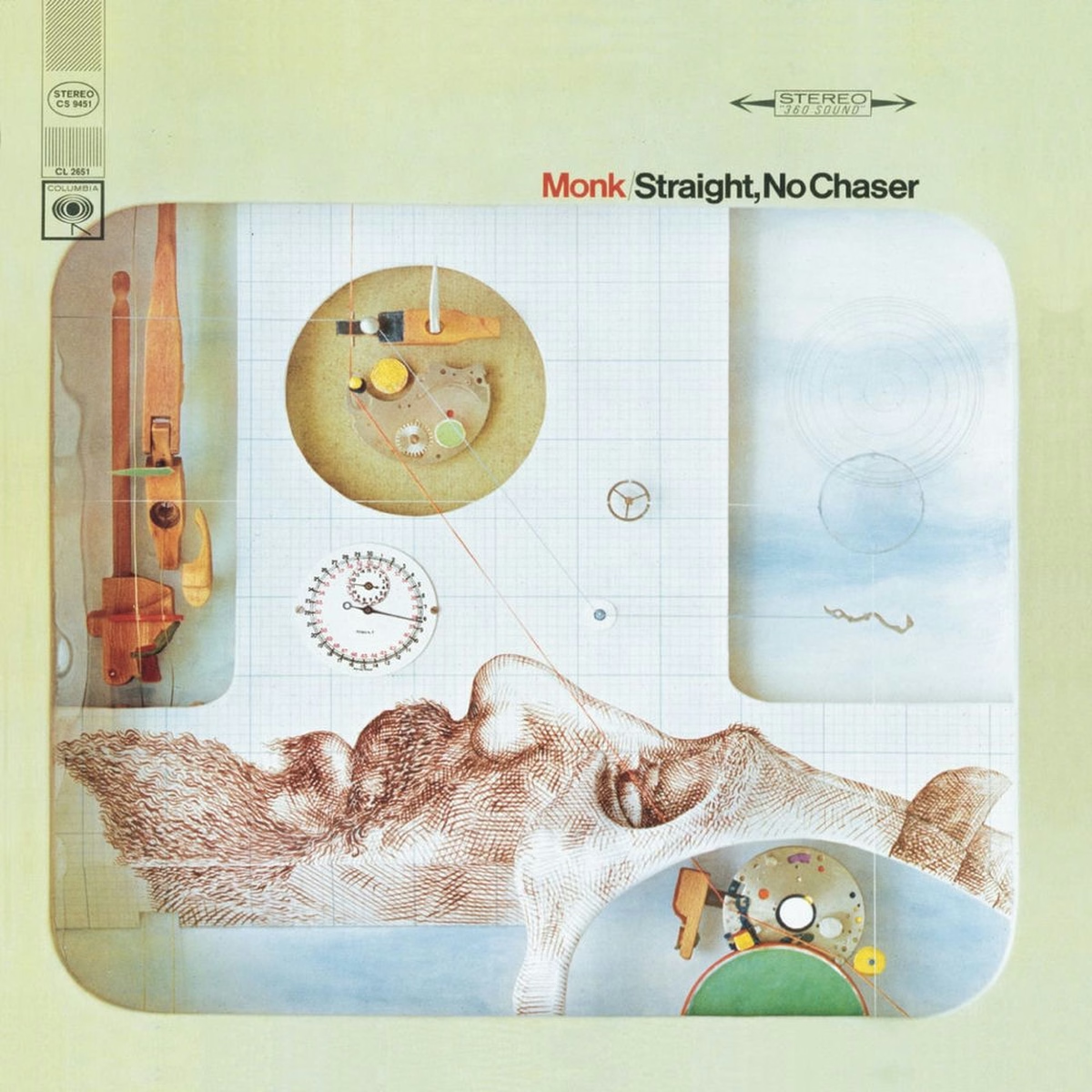
Thelonious Monk was profiled in the documentary, Straight, No Chaser, in 1988.

Image Credits

1,449 artist portraits across 5 genres (Rock, Jazz, Soul, Blues, Folk). 1,363 sourced from Wikipedia (Creative Commons / Public Domain), 50 from Deezer (promotional artwork).

Full attribution breakdown →

Thelonious Monk

1917 – 1982 (65)
Most pianists touch the keys with the pads of their fingers, curved and careful. Monk played with his hands flat, fingers stretched wide, elbows at odd angles, and the notes he hit sounded like a door slamming shut in a room full of whispering. He was the house pianist at Minton's Playhouse in the early forties, the club where bebop was being invented, and while the young lions around him were chasing speed and virtuosity, he was building something slower and stranger.
01 Caravan
02 Epistrophy
03 Well You Needn't
B1 Thelonius
B2 Locomotive
B3 Sweet and Lovely

Thelonious Monk tracklist updated 08/2026

His melodies took sharp turns, stopped in unexpected places, and waited. To a generation taught that jazz meant flow, his music sounded like it was broken. To the players, it sounded like the future.

"'Round midnight, and I'm wondering what's become of me I'm the same old me, the same old me, the same old me"

-- from 'Round Midnight

He came out of North Carolina, born in 1917, and grew up in Manhattan hearing the trains pass through the neighborhood, rhythms that later showed up in his compositions. He wrote nearly a hundred tunes, and most of them became standards, but acceptance came slowly. For years the critics called his playing clumsy and his songs unplayable. He lost his cabaret card, the license a musician needed to work in New York clubs, and spent the early fifties cut off from the rooms where his music would have been heard. A friend in high places, the Baroness Pannonica de Koenigswarter, kept him going through the years when the public did not understand him.

Everything changed in 1957, when he opened at the Five Spot with a quartet that included John Coltrane. The residency ran for months and became the turning point of his career. The music was angular and percussive, full of silence and sudden movement, and he danced around the piano while he played, a habit that looked like eccentricity to the press and pure listening to the musicians who worked with him: he was following the sound with his whole body. The records from those years, especially Brilliant Corners, which took more than a dozen takes to complete because the music was so demanding, and his solo sessions, show a composer who knew exactly what he was doing. He had built a complete musical language, with its own rules, its own humor, its own way of making dissonance feel like home.

He made the cover of Time in 1964 and won a Guggenheim fellowship in 1972, then quietly stepped away from performing in the seventies and lived out his final years with Pannonica, dying in 1982. The music outgrew the silence. His compositions are now taught in every jazz program, studied the way classical musicians study Bach. Every pianist who has ever played a flatted fifth or stopped time to let a note ring is borrowing from the house he built. He made the melody that refuses to behave, and it turned out to be the one that lasts.

Sources: Hotsupper research, Wikipedia, Robin D. G. Kelley (Thelonious Monk: The Life and Times of an American Original), Wikidata

Thelonious Monk was profiled in the documentary, Straight, No Chaser, in 1988.
The Sunday Drop
One song. One story. Every Sunday.

No algorithms. No trending sections. Just a song someone loved and the story behind it. Delivered Sunday morning.

Free. No spam. Unsubscribe anytime.

Image Credits

1,449 artist portraits across 5 genres (Rock, Jazz, Soul, Blues, Folk). 1,363 sourced from Wikipedia (Creative Commons / Public Domain), 50 from Deezer (promotional artwork).

Full attribution breakdown →

0:00
0:00
The Sunday Drop Song. Story. Sundays.
Click any song to hear it in full or in part.