Sade tracklist updated 08/2026
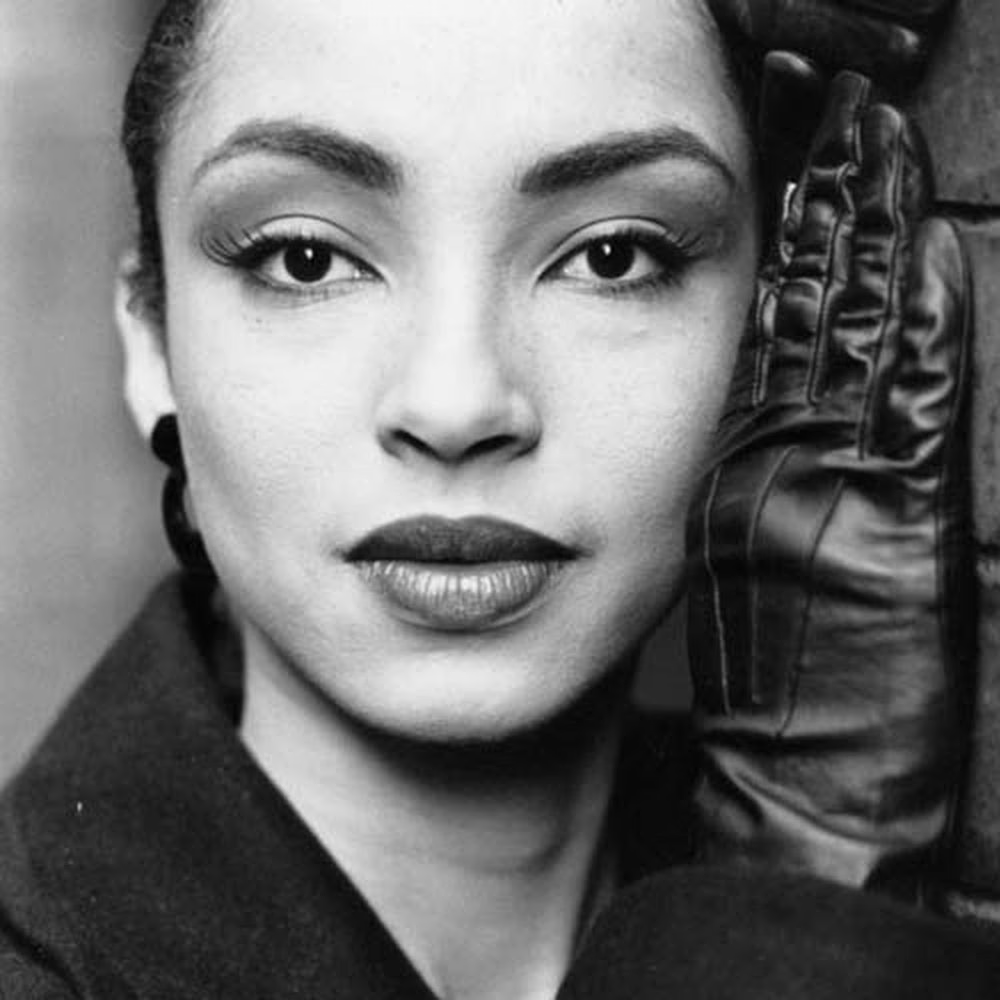
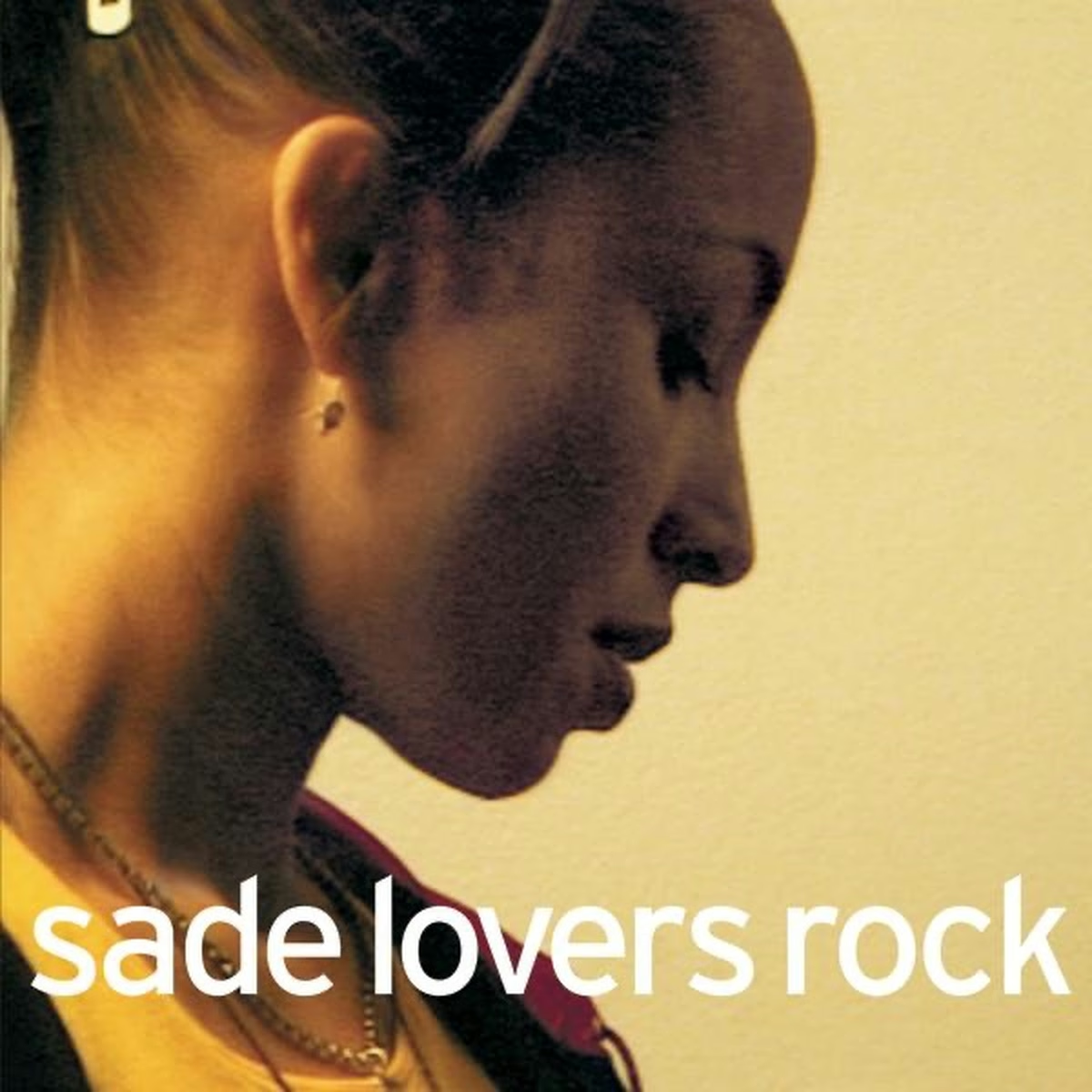
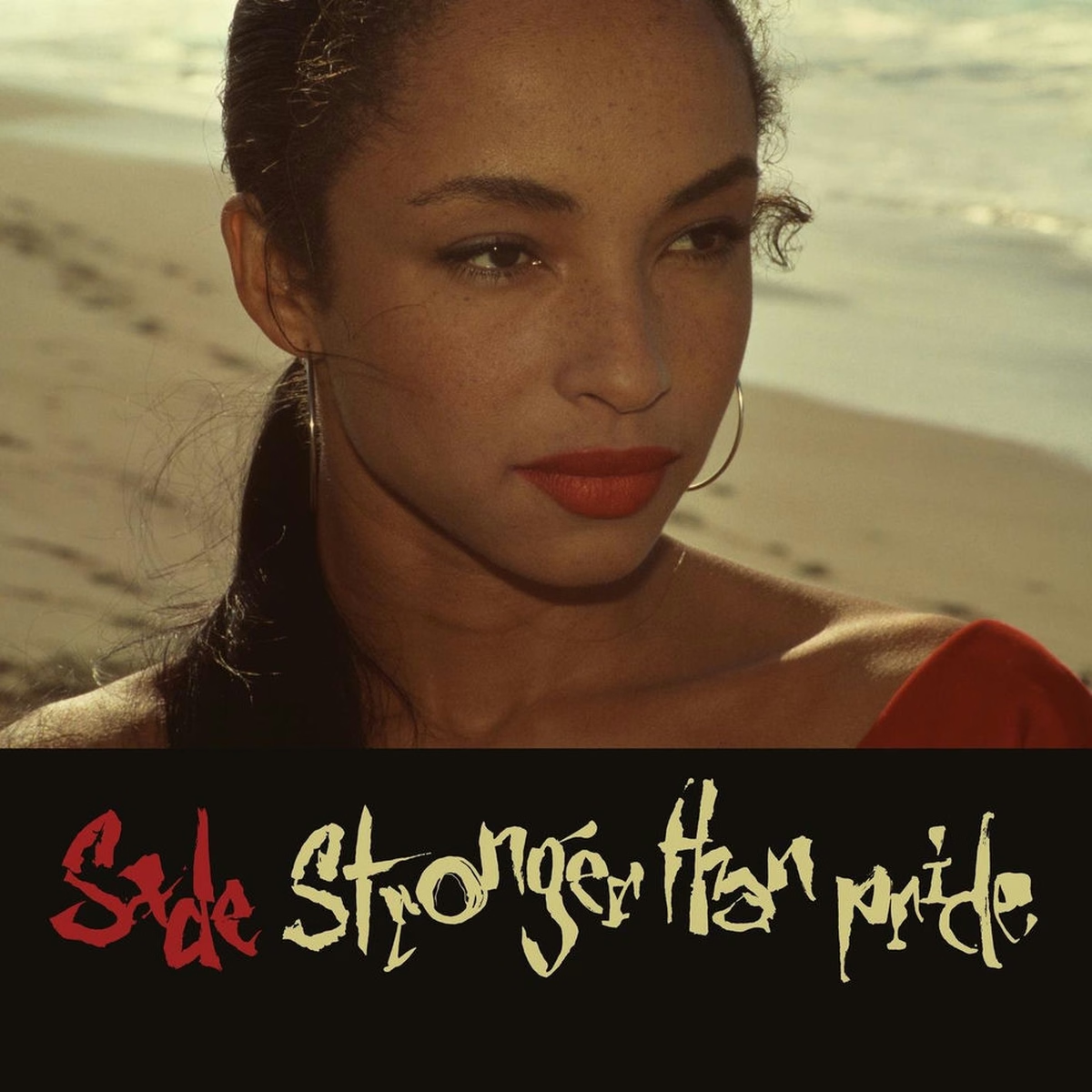
Born in London in 1959 to a Nigerian father and an English mother, Sade Adu studied fashion design at St. Martin's and spent some time modeling before finding her way into music through a band called Pride. When that group splintered, she kept the saxophonist Stuart Matthewman and formed Sade, a band named for the woman at the front. The decision to put her own name on the marquee was either arrogance or prophecy, and the debut album "Diamond Life" proved it was the latter. She had never trained as a singer, but training would have only gotten in the way. The discipline came from knowing what to leave out, and what to leave out was almost everything. The power was in the gaps, not in the notes, and the gaps were perfectly measured.
"Smooth Operator" arrived like a secret that everyone already knew. The bassline walked a slow circle, the saxophone slid in like an invitation, and Sade's vocal delivered the story of a sweet-talking womanizer with the detachment of someone reading a weather report that happened to be devastating. The song became an international hit, the face of a sound that combined jazz harmony, pop structure, and soul phrasing into something that critics called sophisti-pop and fans just called perfection. The band never rushed. Their albums arrived years apart, each one a chamber piece carved from silence and polished until it shone. The patience was the point, and the point was made every time a listener surrendered to the groove.
Still alive and still vanishing for long stretches, Sade Adu has become a model for a different kind of career -- one built on quality rather than quantity, on absence rather than presence. Every singer who trusts the quiet, every band that understands what listening does to a groove, every artist who refuses to feed the content machine -- they're all working in the negative space Sade carved out. The voice never raised itself. It didn't have to. The silence around the notes was always part of the song.
Still alive and still vanishing for long stretches, Sade Adu has become a model for a different kind of career -- one built on quality rather than quantity, on absence rather than presence. Every singer who trusts the quiet, every band that understands what listening does to a groove, every artist who refuses to feed the content machine -- they're all working in the negative space Sade carved out. The voice never raised itself. It didn't have to. The silence around the notes was always part of the song.