Rihanna
1988 –
The audition tape that changed pop history was recorded in a bathroom in Barbados, and the executive who heard it flew a sixteen-year-old across the ocean on the spot. Rihanna arrived in New York in 2004 with her mother beside her and a voice that did not sound like anyone else on the radio, a blend of Caribbean rhythm and American R&B that had no direct precedent. The label auditioned her in person, signed her that same visit, and within a year she was on the charts with Pon de Replay.
01 Love on the Brain
02 Umbrella (feat. Jay-Z)
03 Work
B1 Desperado
B2 Question Existing
B3 Consideration

Rihanna tracklist updated 08/2026

She has spent the two decades since turning every expectation about what a female pop star can own into a stepping stone.

"Work, work, work, work, work, work He said me haffi work"

-- from Work

She grew up in Saint Michael parish, the eldest of three children, in a household where her father's addictions put pressure on her mother's salary and the marriage eventually ended. The church and the school choir gave her the first stages, and a pageant performance of a Mariah Carey song at her school convinced her that singing was the way forward. A local producer recognized what she had, sent her demo to the States, and the chain of events that followed moved faster than anyone in her family could have prepared for. She left the island before she had finished growing up, carrying the island inside her.

Her first two albums, Music of the Sun and A Girl Like Me, were love letters to the Caribbean she came from, full of reggae and dancehall textures that most American pop producers had never touched. Then Good Girl Gone Bad in 2007 changed the scale of everything. Umbrella became the song of the summer and then the song of the year, and Rihanna became the kind of star who could reinvent her image with every album and keep the audience attached through every shift. The run that followed was unprecedented: Diamonds, Stay, Work, Love on the Brain, a catalog spanning pop, dance, R&B, and ballads, all delivered by the same restless voice.

She grew up in Saint Michael parish, the eldest of three children, in a household where her father's addictions put pressure on her mother's salary and the marriage eventually ended. The church and the school choir gave her the first stages, and a pageant performance of a Mariah Carey song at her school convinced her that singing was the way forward. A local producer recognized what she had, sent her demo to the States, and the chain of events that followed moved faster than anyone in her family could have prepared for. She left the island before she had finished growing up, carrying the island inside her.

Her first two albums, Music of the Sun and A Girl Like Me, were love letters to the Caribbean she came from, full of reggae and dancehall textures that most American pop producers had never touched. Then Good Girl Gone Bad in 2007 changed the scale of everything. Umbrella became the song of the summer and then the song of the year, and Rihanna became the kind of star who could reinvent her image with every album and keep the audience attached through every shift. The run that followed was unprecedented: Diamonds, Stay, Work, Love on the Brain, a catalog spanning pop, dance, R&B, and ballads, all delivered by the same restless voice.

She understood that the music was the door, not the destination. Fenty Beauty launched in 2017 with forty foundation shades at a time when most brands offered ten, forcing the entire cosmetics industry to change its standard, and it made her the wealthiest female musician in the world. She added a luxury fashion house under her own name, headlined two Super Bowls, became a mother, and kept the businesses Black-owned and rooted in her heritage. She is the rare artist whose fame outgrew the charts and still did not lose the music. Eight albums, a dozen number-one hits, and a business empire later, the bathroom demo became a global enterprise, and the girl from Bridgetown never stopped sounding like herself.

Sources: Hotsupper research, Wikipedia, Britannica, biography.com, Wikidata
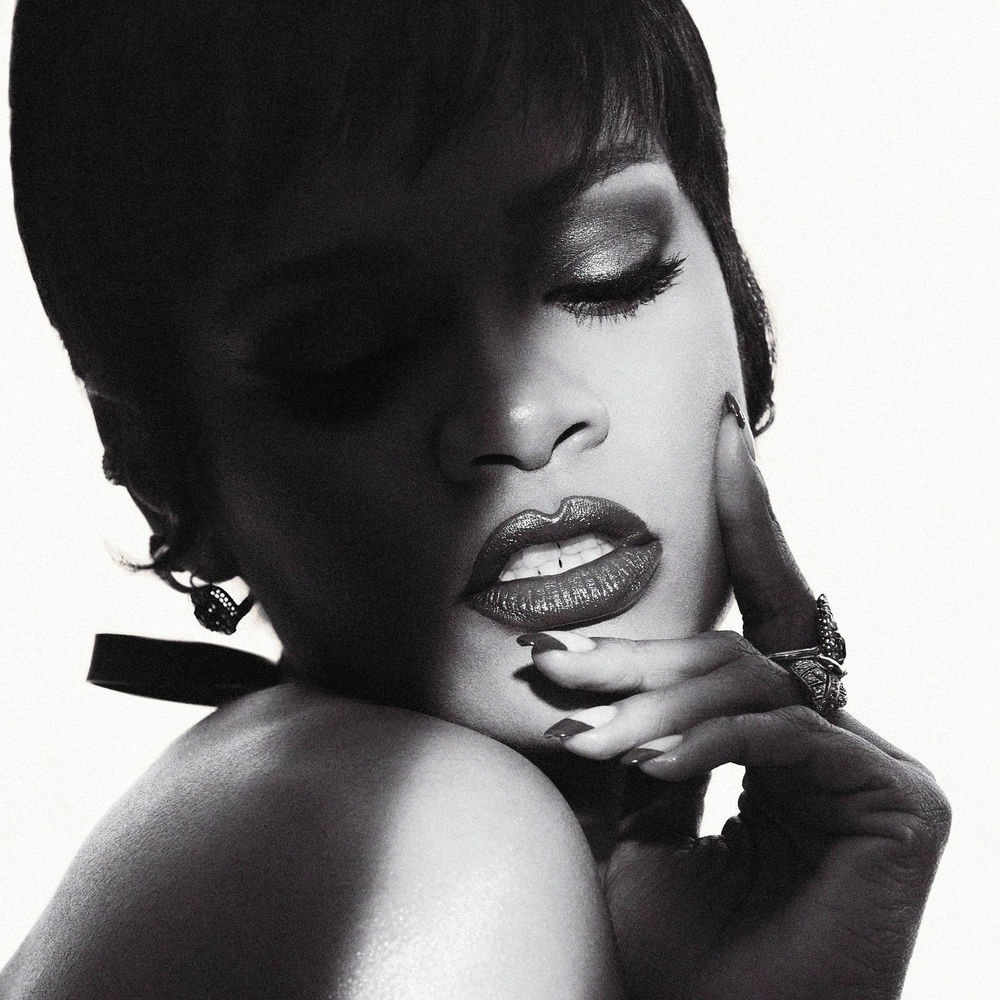
Image Credits

1,449 artist portraits across 5 genres (Rock, Jazz, Soul, Blues, Folk). 1,363 sourced from Wikipedia (Creative Commons / Public Domain), 50 from Deezer (promotional artwork).

Full attribution breakdown →

Rihanna

1988 –
The audition tape that changed pop history was recorded in a bathroom in Barbados, and the executive who heard it flew a sixteen-year-old across the ocean on the spot. Rihanna arrived in New York in 2004 with her mother beside her and a voice that did not sound like anyone else on the radio, a blend of Caribbean rhythm and American R&B that had no direct precedent. The label auditioned her in person, signed her that same visit, and within a year she was on the charts with Pon de Replay.
01 Love on the Brain
02 Umbrella (feat. Jay-Z)
03 Work
B1 Desperado
B2 Question Existing
B3 Consideration

Rihanna tracklist updated 08/2026

She has spent the two decades since turning every expectation about what a female pop star can own into a stepping stone.

"Work, work, work, work, work, work He said me haffi work"

-- from Work

She grew up in Saint Michael parish, the eldest of three children, in a household where her father's addictions put pressure on her mother's salary and the marriage eventually ended. The church and the school choir gave her the first stages, and a pageant performance of a Mariah Carey song at her school convinced her that singing was the way forward. A local producer recognized what she had, sent her demo to the States, and the chain of events that followed moved faster than anyone in her family could have prepared for. She left the island before she had finished growing up, carrying the island inside her.

Her first two albums, Music of the Sun and A Girl Like Me, were love letters to the Caribbean she came from, full of reggae and dancehall textures that most American pop producers had never touched. Then Good Girl Gone Bad in 2007 changed the scale of everything. Umbrella became the song of the summer and then the song of the year, and Rihanna became the kind of star who could reinvent her image with every album and keep the audience attached through every shift. The run that followed was unprecedented: Diamonds, Stay, Work, Love on the Brain, a catalog spanning pop, dance, R&B, and ballads, all delivered by the same restless voice.

She understood that the music was the door, not the destination. Fenty Beauty launched in 2017 with forty foundation shades at a time when most brands offered ten, forcing the entire cosmetics industry to change its standard, and it made her the wealthiest female musician in the world. She added a luxury fashion house under her own name, headlined two Super Bowls, became a mother, and kept the businesses Black-owned and rooted in her heritage. She is the rare artist whose fame outgrew the charts and still did not lose the music. Eight albums, a dozen number-one hits, and a business empire later, the bathroom demo became a global enterprise, and the girl from Bridgetown never stopped sounding like herself.

Sources: Hotsupper research, Wikipedia, Britannica, biography.com, Wikidata
popdancehip hop
The Sunday Drop
One song. One story. Every Sunday.

No algorithms. No trending sections. Just a song someone loved and the story behind it. Delivered Sunday morning.

Free. No spam. Unsubscribe anytime.

Image Credits

1,449 artist portraits across 5 genres (Rock, Jazz, Soul, Blues, Folk). 1,363 sourced from Wikipedia (Creative Commons / Public Domain), 50 from Deezer (promotional artwork).

Full attribution breakdown →

0:00
0:00
The Sunday Drop Song. Story. Sundays.
Click any song to hear it in full or in part.