Peter Tosh
1944 – 1987 (43)
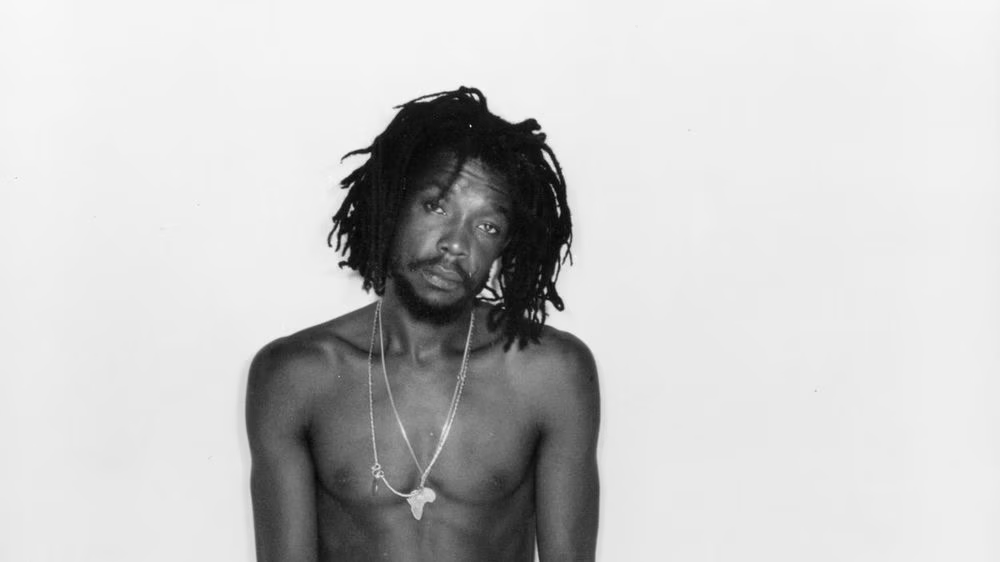
He walked out of the Wailers in 1973 carrying a rifle and a manifesto that he was not going to compromise. Peter Tosh was not the smiling face of reggae that international audiences had come to expect. He was the militant edge, the voice that refused to soften the message for people who were not ready to hear it.
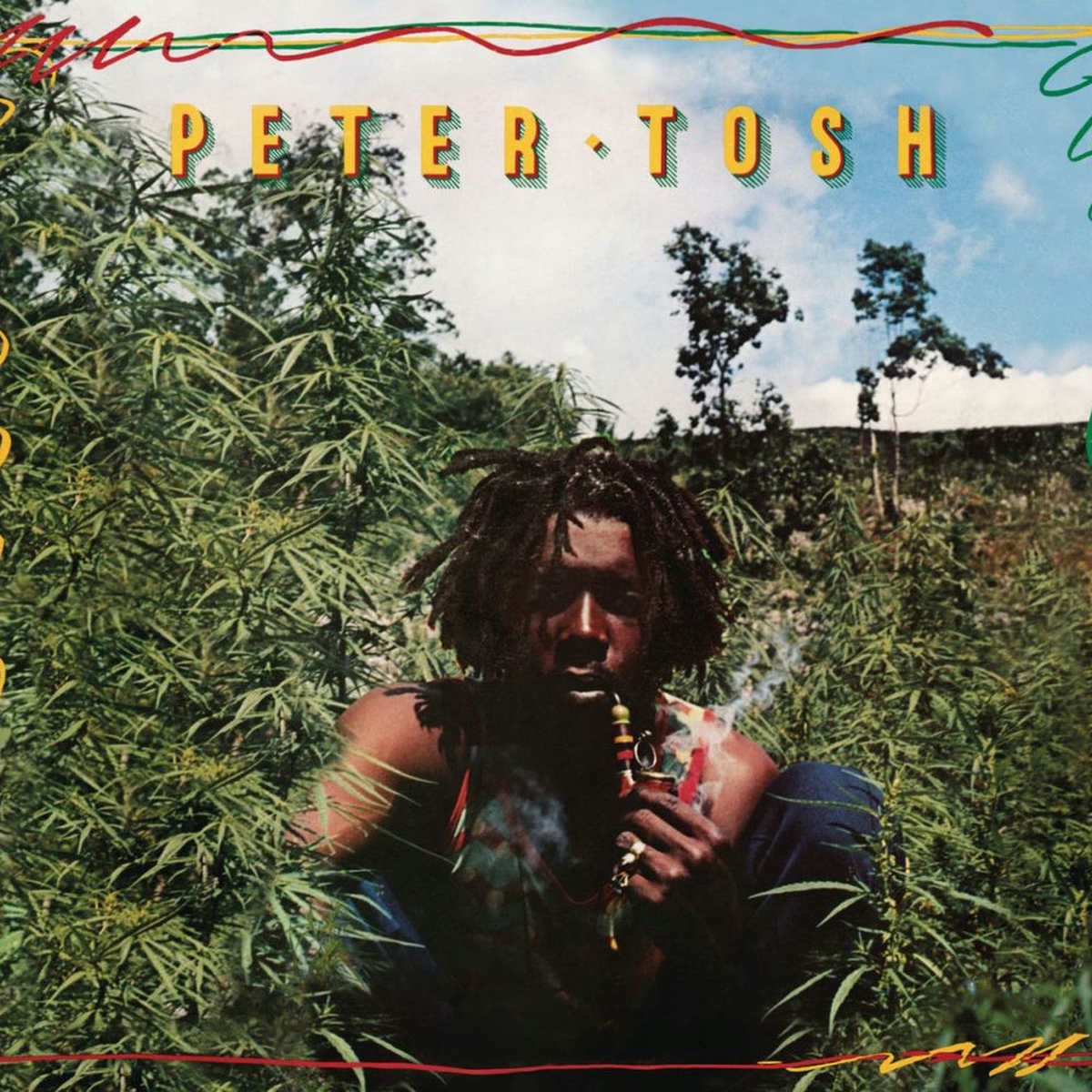
Legalize It
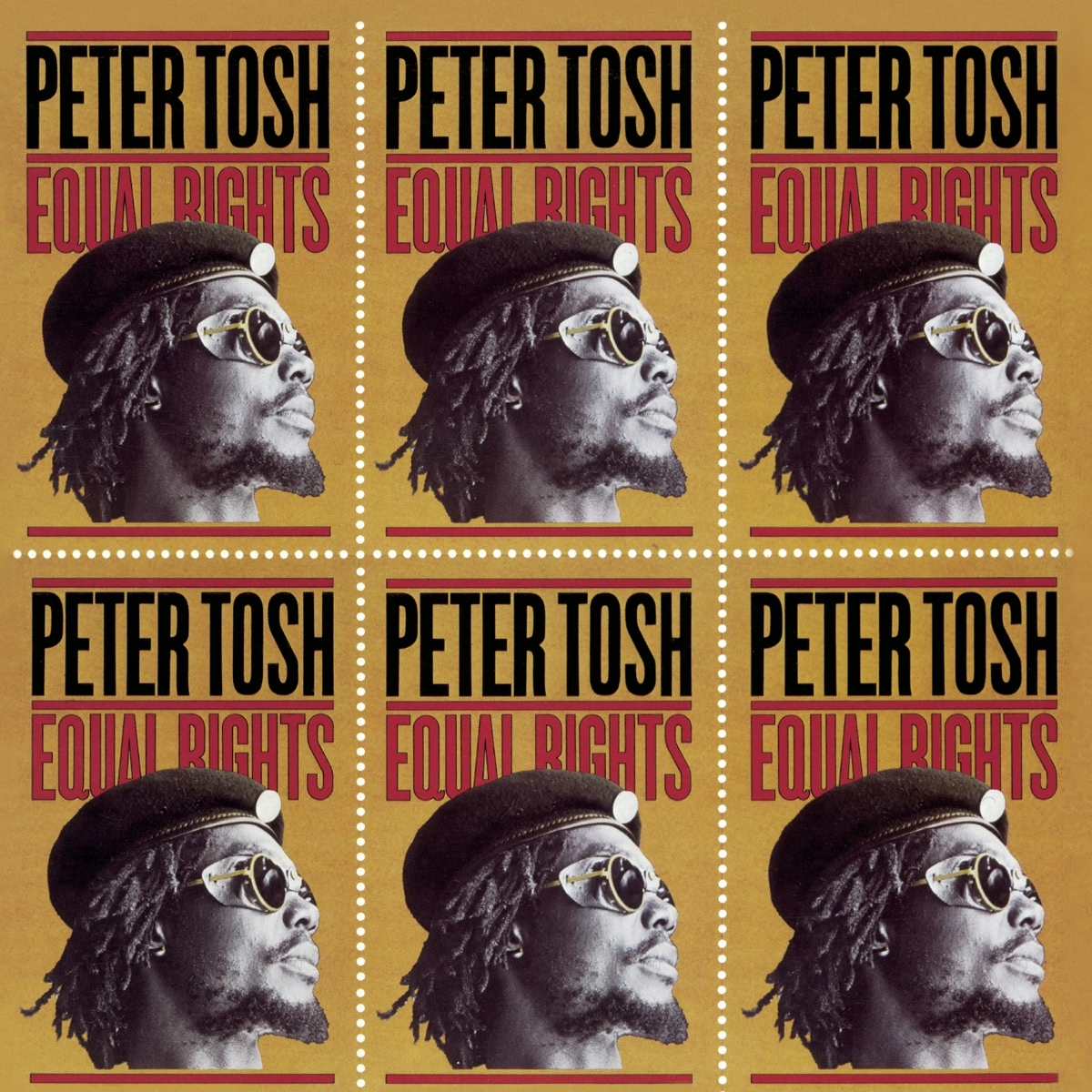
Equal Rights
Stepping Razor
Don't Look Back
Fight On
African 1
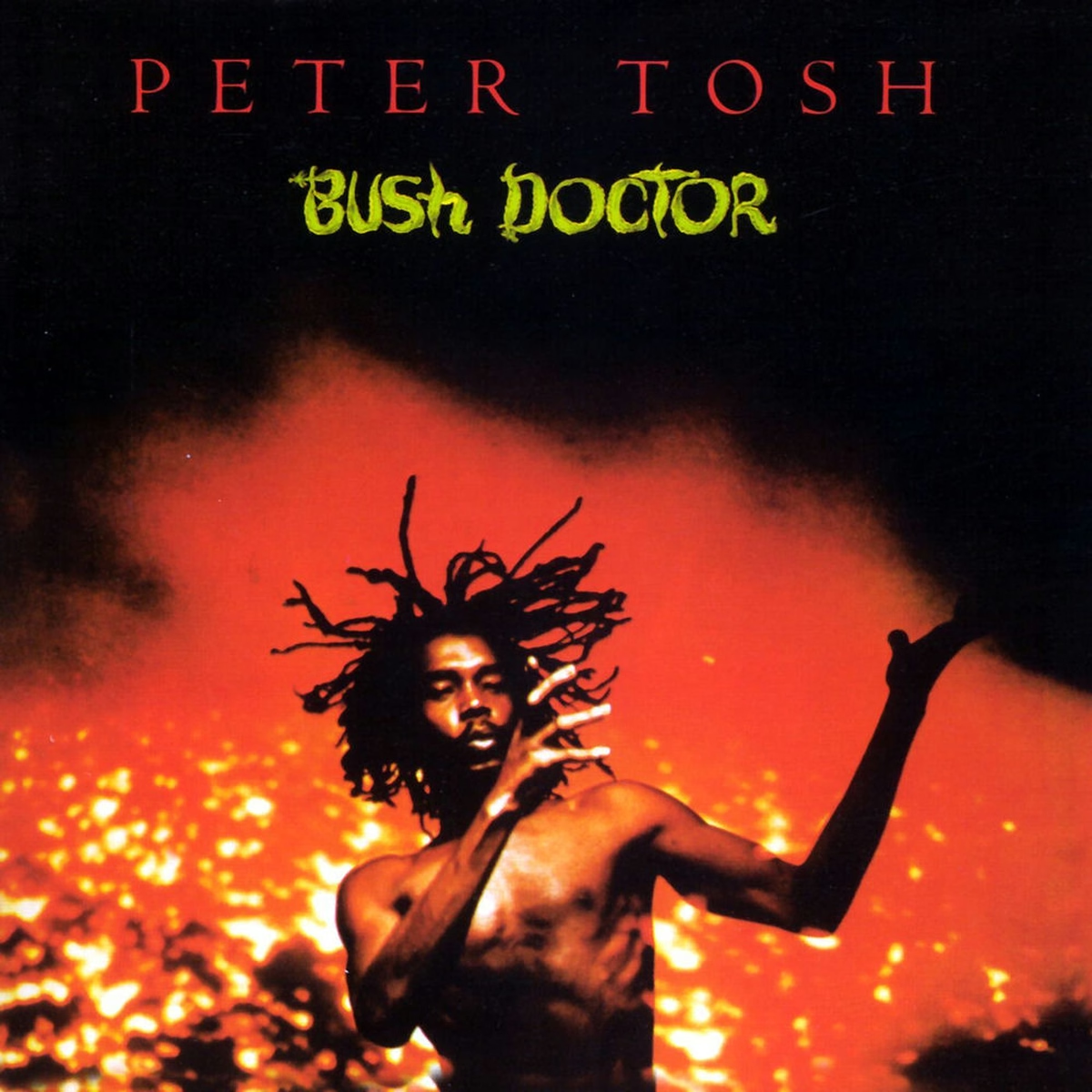
Bush Doctor

Peter Tosh tracklist updated 07/2026

Born in Westmoreland, Jamaica, in 1944, Tosh grew up in the same Kingston streets as Bob Marley and Bunny Wailer, and together they formed the Wailers in the early 1960s. Tosh was the guitarist with the sharpest political instincts, the one who understood that reggae was not just music -- it was a weapon aimed at the system that had been oppressing Jamaica since colonization.

"Don't care what them say, I and I
Live what them fear to try"

-- from Legalize It

The cost was isolation that deepened with every public statement. Tosh left the Wailers because he felt the international machine was softening the group's message for mainstream consumption. He wanted to keep the revolutionary edge intact. His debut solo album Legalize It in 1976 was a direct argument for marijuana decriminalization, released at a time when the topic was not discussed in polite company anywhere in the world. The album was banned in Jamaica but sold internationally, making Tosh a hero to the growing reggae audience outside the Caribbean. He followed it with Equal Rights in 1977, a song cycle that attacked apartheid, police brutality, and economic exploitation with a bluntness that Bob Marley had learned to wrap in melody. Tosh did not wrap anything. He said it directly, without metaphor or apology.

Equal Rights is the one. The title track is a statement of purpose -- "I don't want no peace, I want equal rights and justice" -- that refused the conciliatory tone that international audiences expected from reggae music. Tosh performed at the 1978 One Love Peace Concert and used the stage to criticize the politicians in attendance rather than celebrate the unity the concert was meant to symbolize. He was beaten by police in 1978, detained repeatedly, and shot during a robbery in 1979.
The Toughest (2015)

None of it changed his approach or softened his message. He kept recording, kept touring, kept refusing to become the kind of reggae artist that white radio programmers found comfortable or safe.

The cost was isolation that deepened with every public statement. Tosh left the Wailers because he felt the international machine was softening the group's message for mainstream consumption. He wanted to keep the revolutionary edge intact. His debut solo album Legalize It in 1976 was a direct argument for marijuana decriminalization, released at a time when the topic was not discussed in polite company anywhere in the world. The album was banned in Jamaica but sold internationally, making Tosh a hero to the growing reggae audience outside the Caribbean. He followed it with Equal Rights in 1977, a song cycle that attacked apartheid, police brutality, and economic exploitation with a bluntness that Bob Marley had learned to wrap in melody. Tosh did not wrap anything. He said it directly, without metaphor or apology.

Equal Rights is the one. The title track is a statement of purpose -- "I don't want no peace, I want equal rights and justice" -- that refused the conciliatory tone that international audiences expected from reggae music. Tosh performed at the 1978 One Love Peace Concert and used the stage to criticize the politicians in attendance rather than celebrate the unity the concert was meant to symbolize. He was beaten by police in 1978, detained repeatedly, and shot during a robbery in 1979. None of it changed his approach or softened his message. He kept recording, kept touring, kept refusing to become the kind of reggae artist that white radio programmers found comfortable or safe.

Peter Tosh was murdered in 1987 during a home invasion at his Jamaican house, killed alongside his DJ and drummer. He was forty-two. His catalog is shorter than Bob Marley's and angrier, but it is no less essential to understanding what reggae was capable of saying when it was not trying to be universal. Tosh was not the ambassador. He was the truth-teller who refused to smile for the cameras, and the music he left behind still burns with the same fury it carried the day it was recorded.
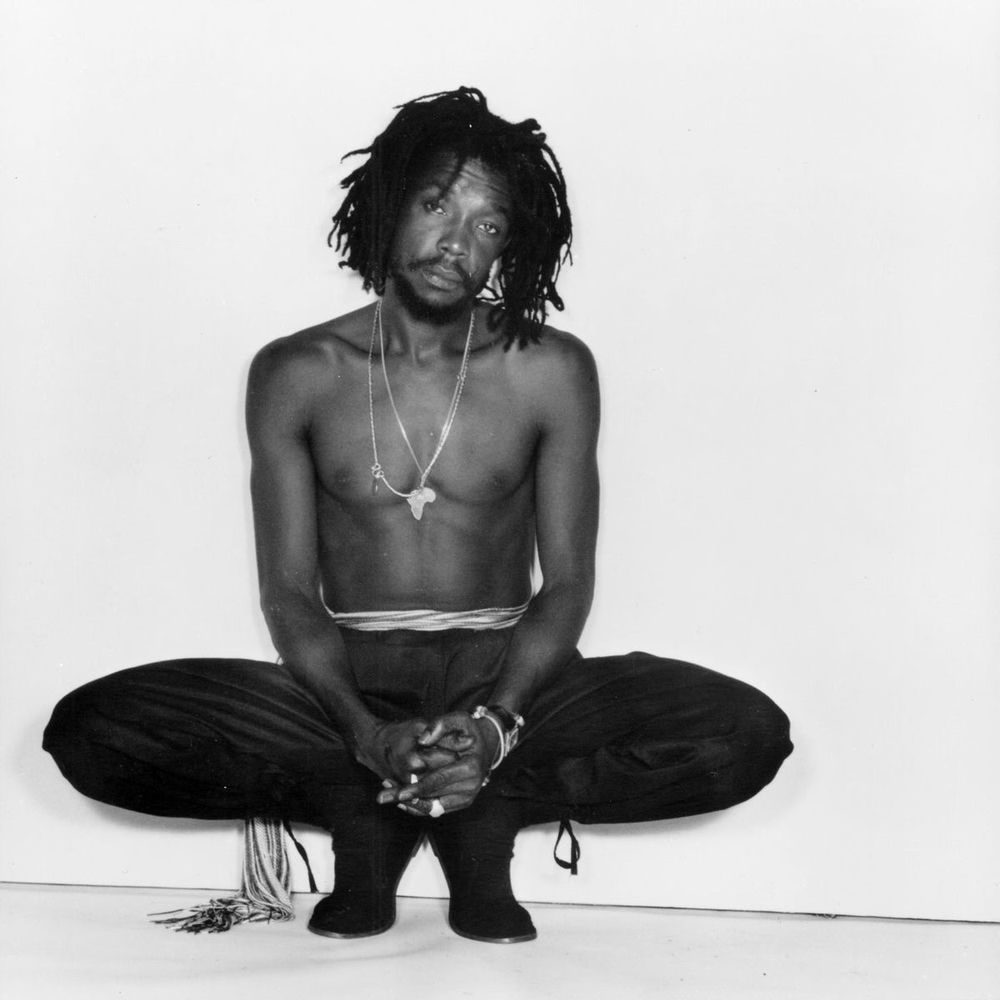
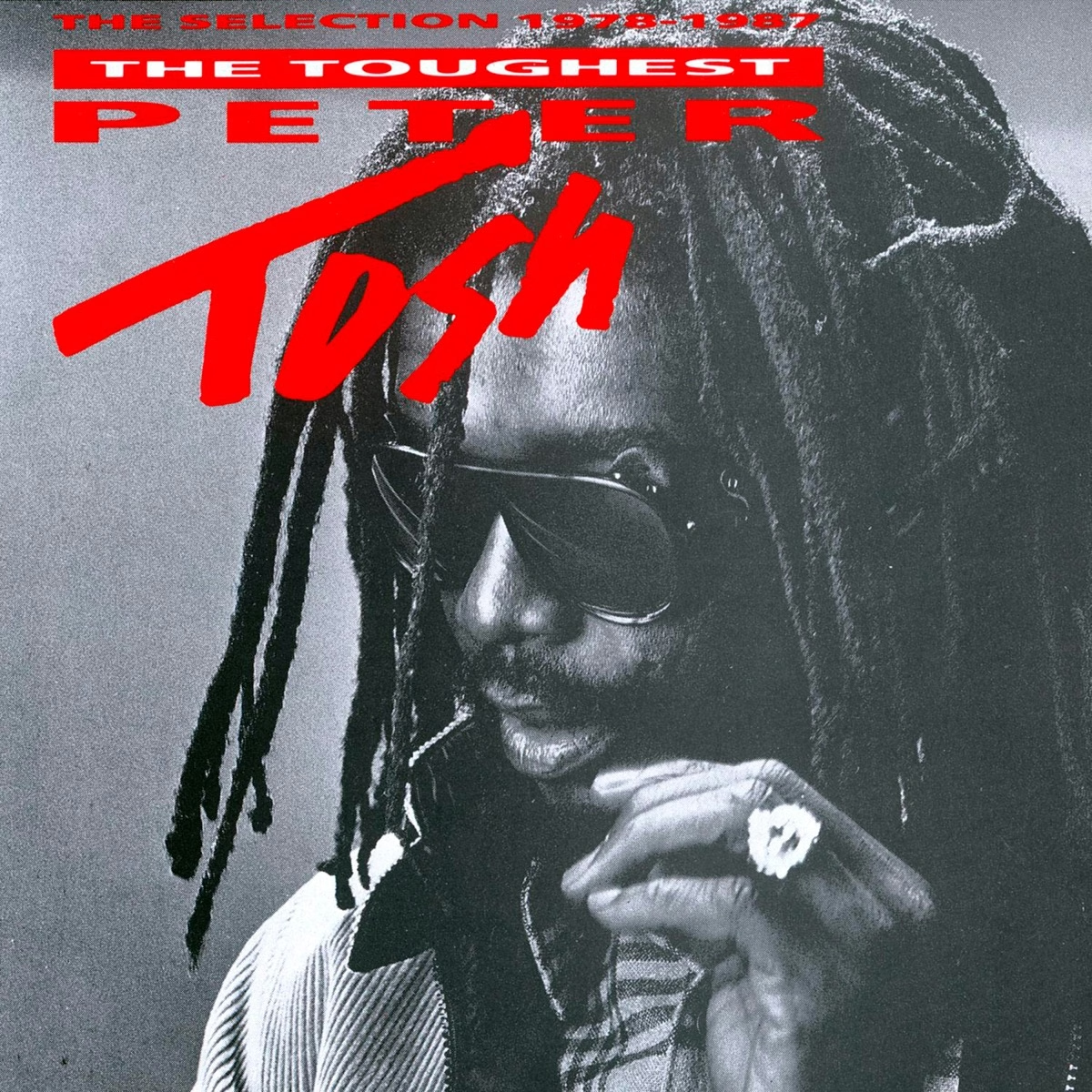
Image Credits

1,449 artist portraits across 5 genres (Rock, Jazz, Soul, Blues, Folk). 1,363 sourced from Wikipedia (Creative Commons / Public Domain), 50 from Deezer (promotional artwork).

Full attribution breakdown →

Peter Tosh

1944 – 1987 (43)
He walked out of the Wailers in 1973 carrying a rifle and a manifesto that he was not going to compromise. Peter Tosh was not the smiling face of reggae that international audiences had come to expect. He was the militant edge, the voice that refused to soften the message for people who were not ready to hear it.
Legalize It
Equal Rights
Stepping Razor
Don't Look Back
Fight On
African 1
Bush Doctor

Peter Tosh tracklist updated 07/2026

Born in Westmoreland, Jamaica, in 1944, Tosh grew up in the same Kingston streets as Bob Marley and Bunny Wailer, and together they formed the Wailers in the early 1960s. Tosh was the guitarist with the sharpest political instincts, the one who understood that reggae was not just music -- it was a weapon aimed at the system that had been oppressing Jamaica since colonization.

"Don't care what them say, I and I
Live what them fear to try"

-- from Legalize It

The cost was isolation that deepened with every public statement. Tosh left the Wailers because he felt the international machine was softening the group's message for mainstream consumption. He wanted to keep the revolutionary edge intact. His debut solo album Legalize It in 1976 was a direct argument for marijuana decriminalization, released at a time when the topic was not discussed in polite company anywhere in the world. The album was banned in Jamaica but sold internationally, making Tosh a hero to the growing reggae audience outside the Caribbean. He followed it with Equal Rights in 1977, a song cycle that attacked apartheid, police brutality, and economic exploitation with a bluntness that Bob Marley had learned to wrap in melody. Tosh did not wrap anything. He said it directly, without metaphor or apology.

Equal Rights is the one. The title track is a statement of purpose -- "I don't want no peace, I want equal rights and justice" -- that refused the conciliatory tone that international audiences expected from reggae music. Tosh performed at the 1978 One Love Peace Concert and used the stage to criticize the politicians in attendance rather than celebrate the unity the concert was meant to symbolize. He was beaten by police in 1978, detained repeatedly, and shot during a robbery in 1979. None of it changed his approach or softened his message. He kept recording, kept touring, kept refusing to become the kind of reggae artist that white radio programmers found comfortable or safe.

Peter Tosh was murdered in 1987 during a home invasion at his Jamaican house, killed alongside his DJ and drummer. He was forty-two. His catalog is shorter than Bob Marley's and angrier, but it is no less essential to understanding what reggae was capable of saying when it was not trying to be universal. Tosh was not the ambassador. He was the truth-teller who refused to smile for the cameras, and the music he left behind still burns with the same fury it carried the day it was recorded.
The Toughest (2015) The Toughest (2015)
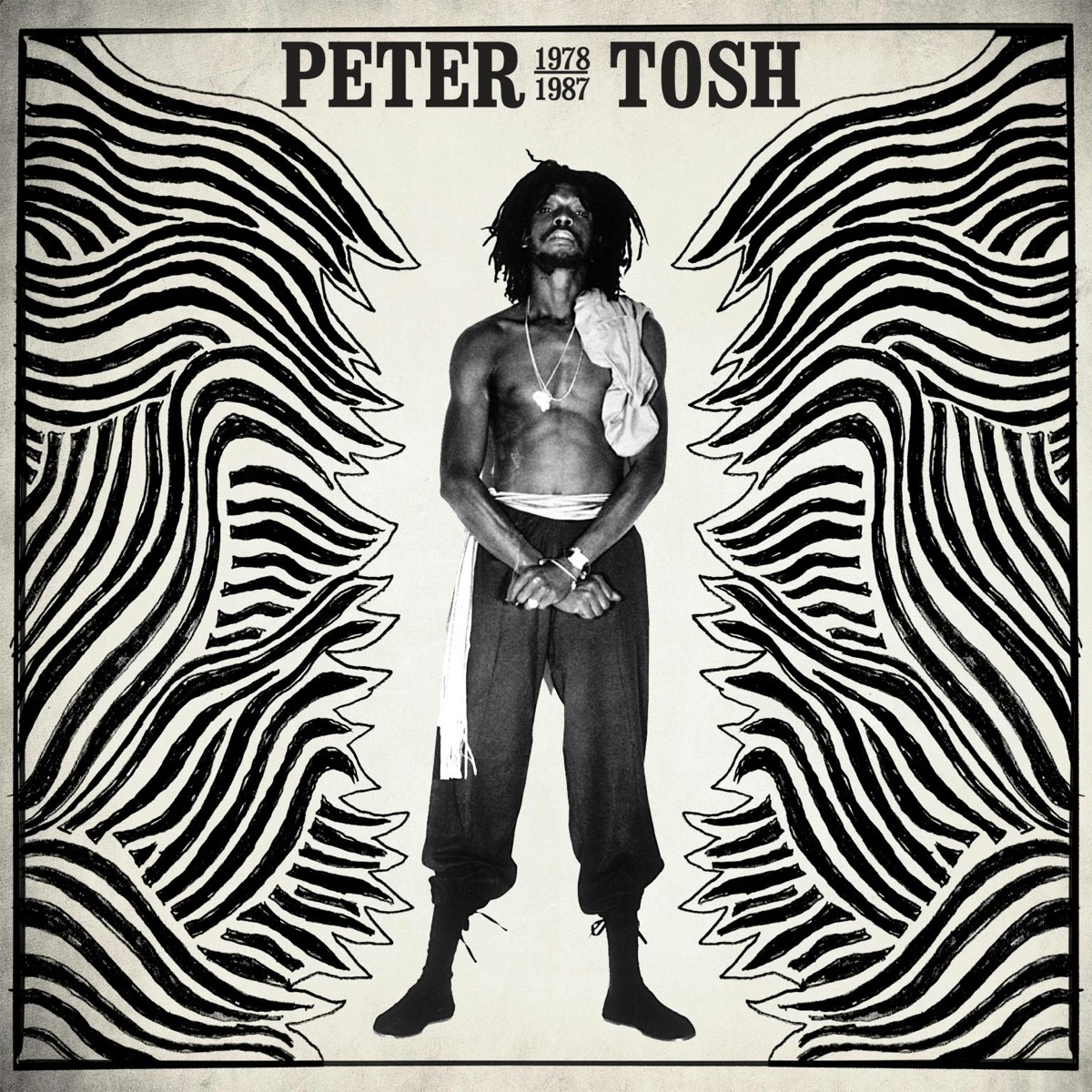
Peter Tosh 1978-1987 (2012) Peter Tosh 1978-1987 (2012)
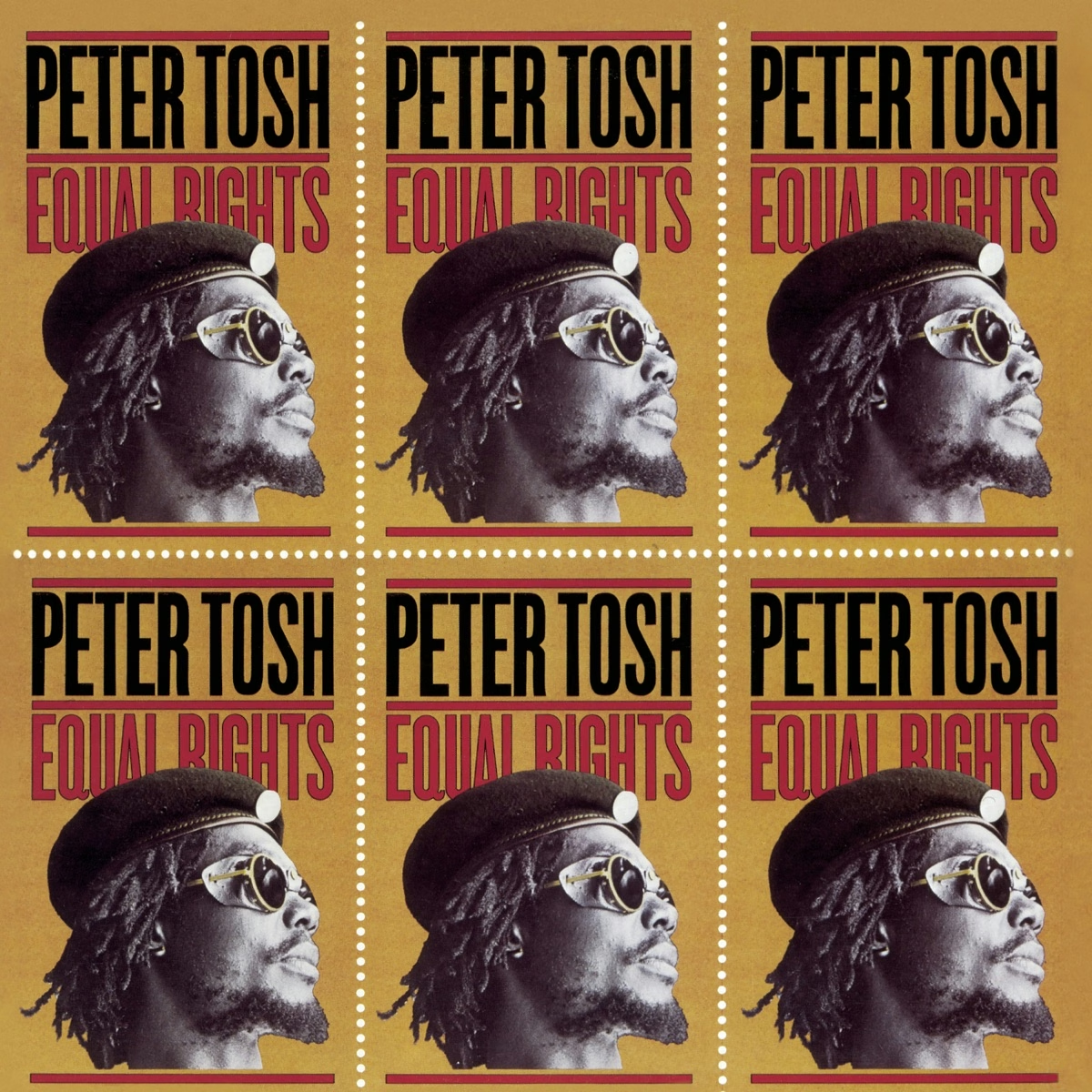
Equal Rights (Legacy Edition) (2011) Equal Rights (Legacy Edition) (2011)
Legalize It / Equals Rights (Coffret 2 CD) (2003) Legalize It / Equals Rights (Coffret 2 CD) (2003)
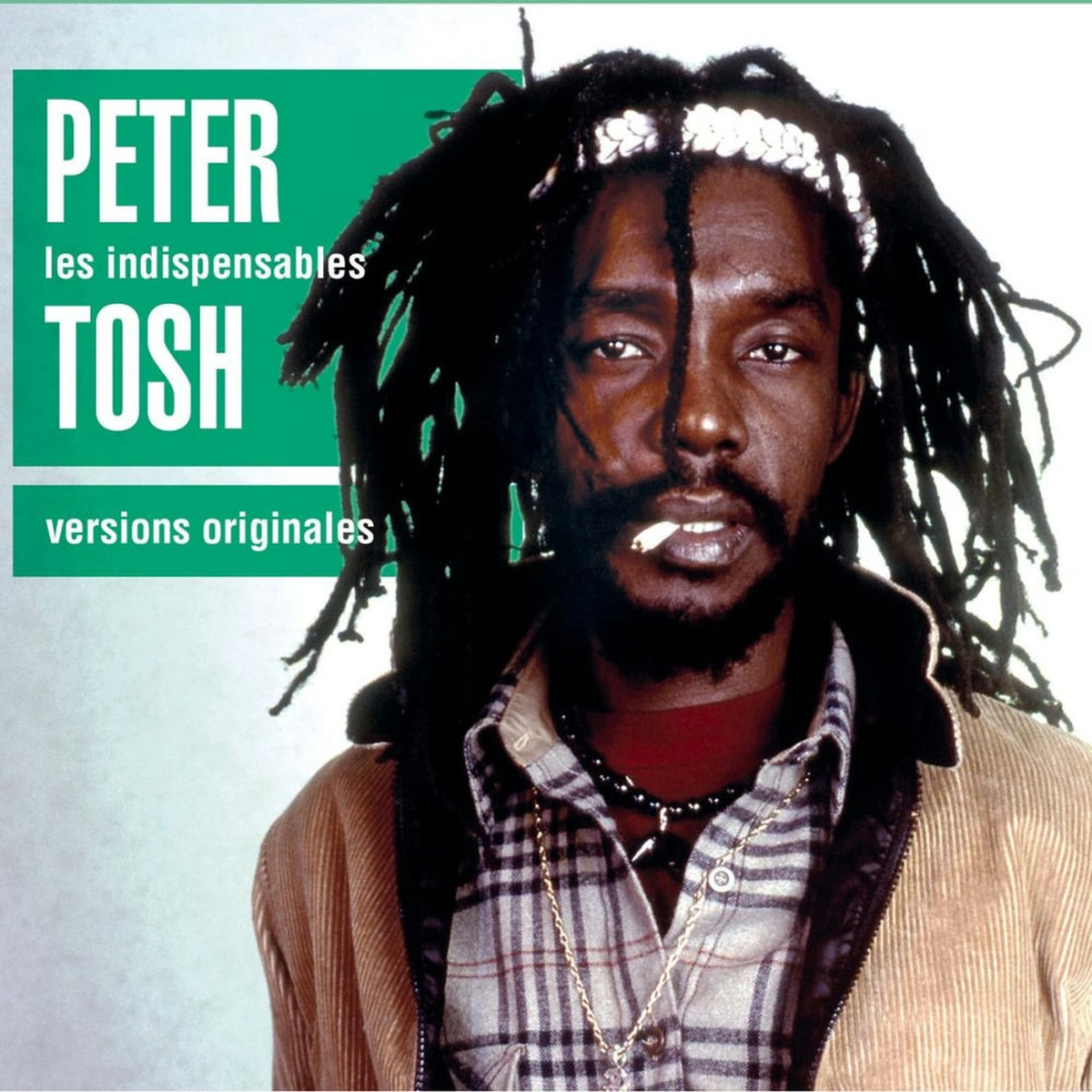
Les Indispensables (2001) Les Indispensables (2001)
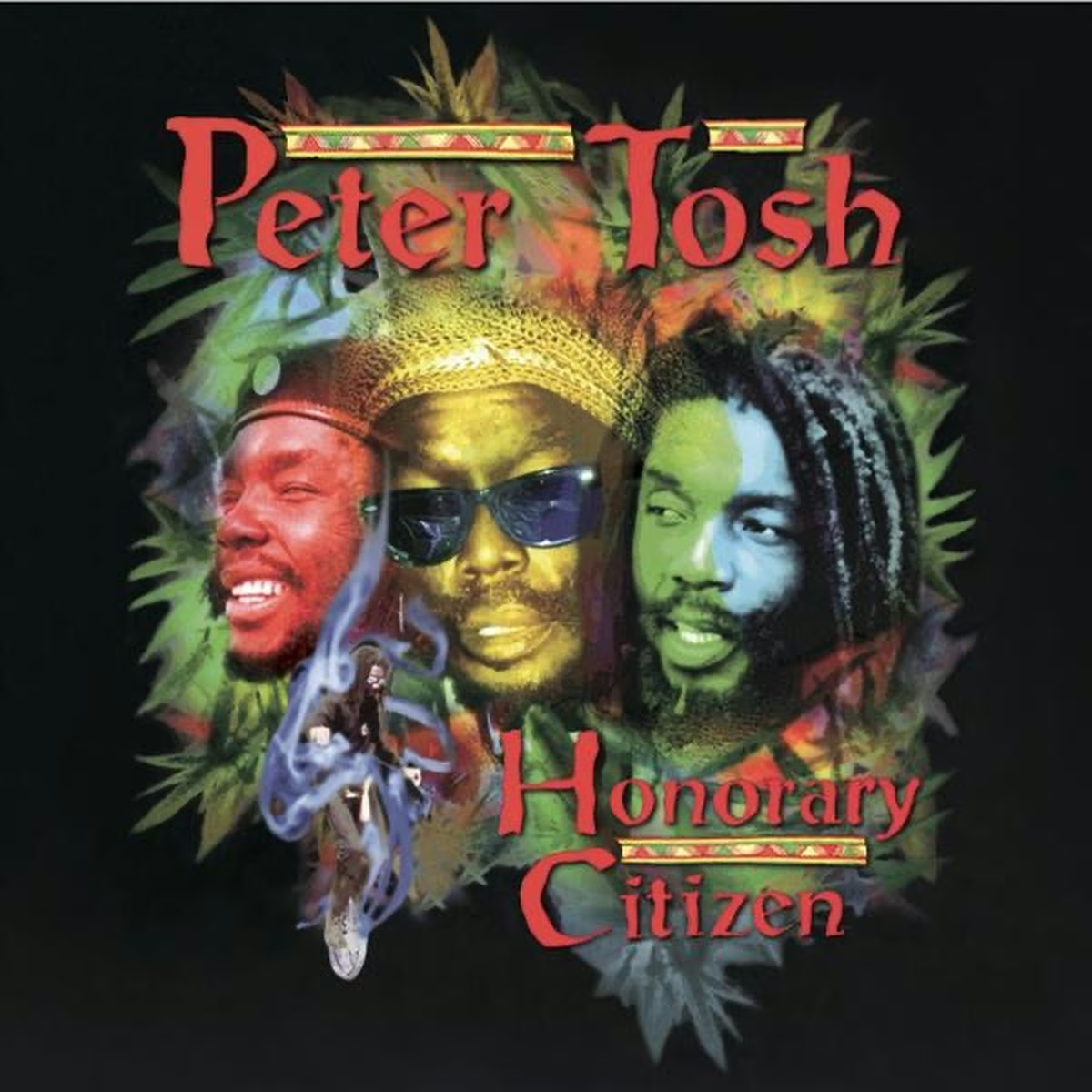
Honorary Citizen (2000) Honorary Citizen (2000)
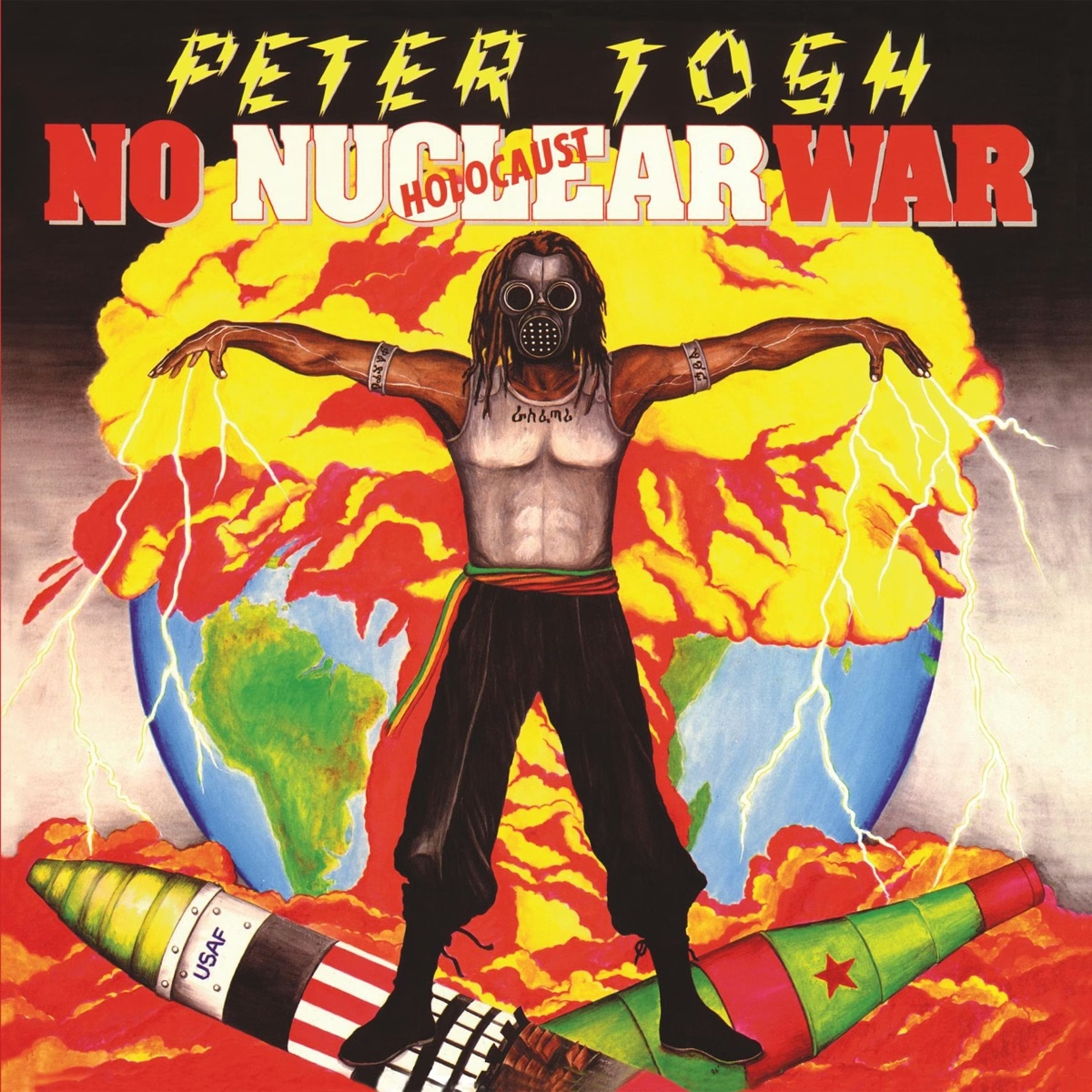
No Nuclear War (1987) No Nuclear War (1987)
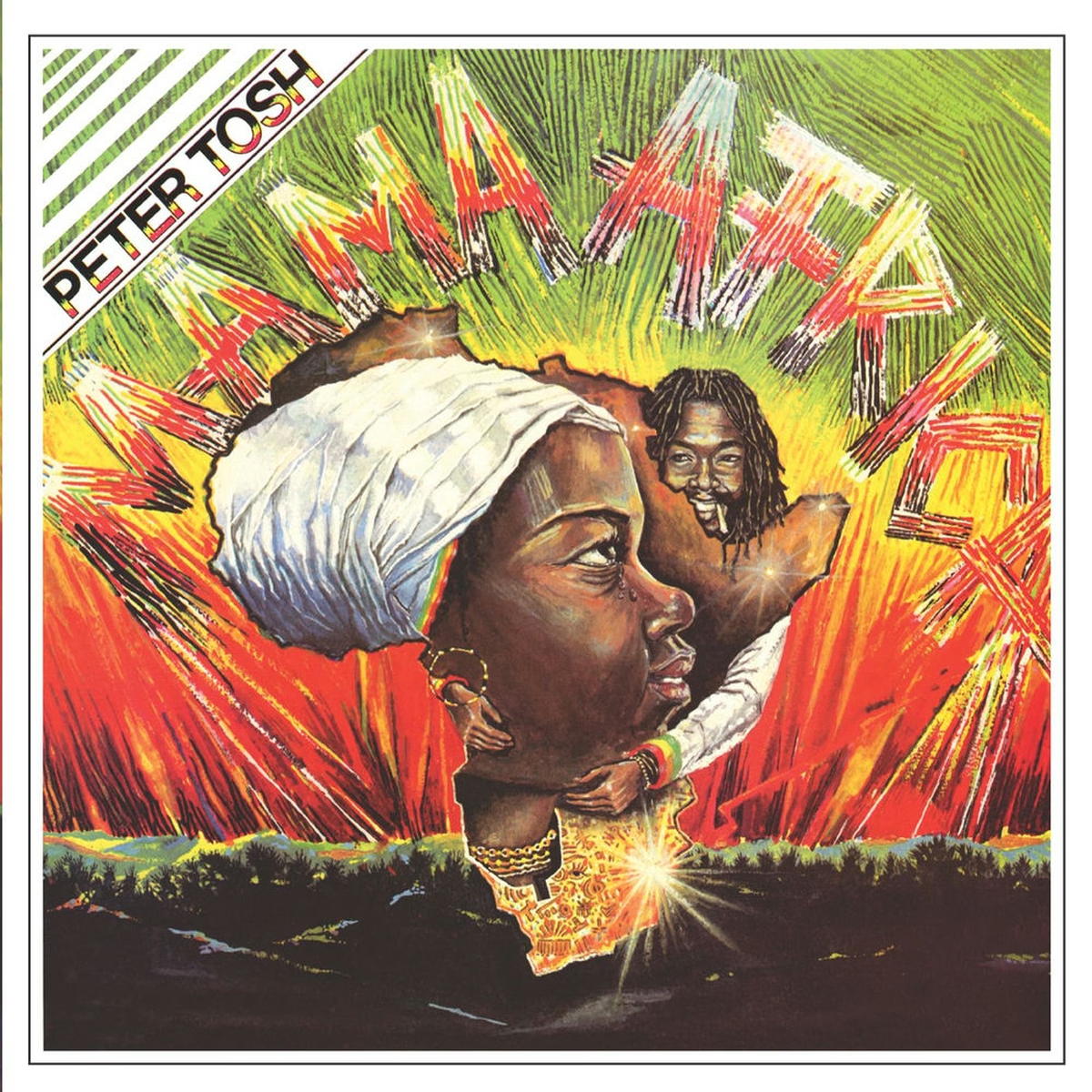
Mama Africa (2000) Mama Africa (2000)
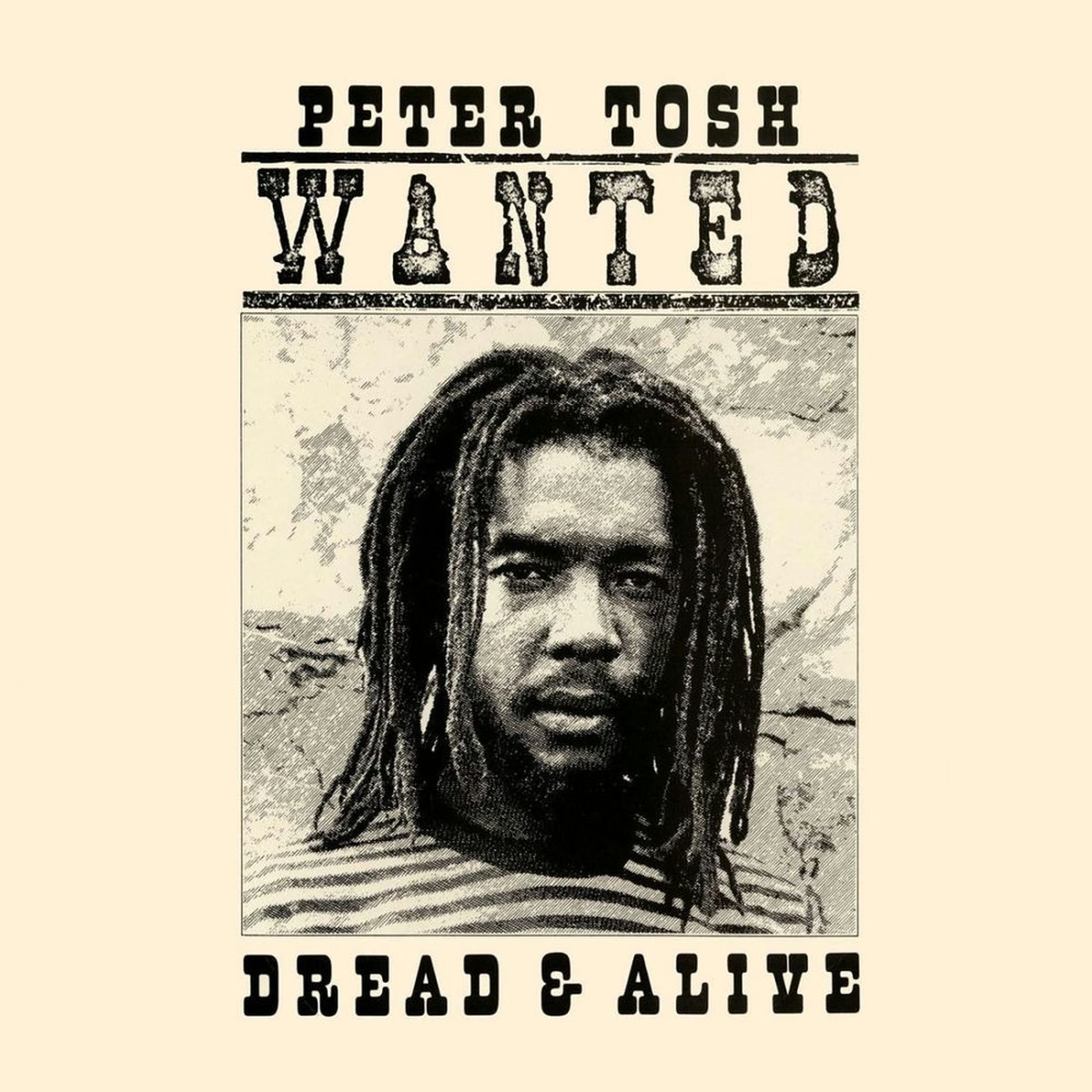
Wanted Dread and Alive (2002) Wanted Dread and Alive (2002)
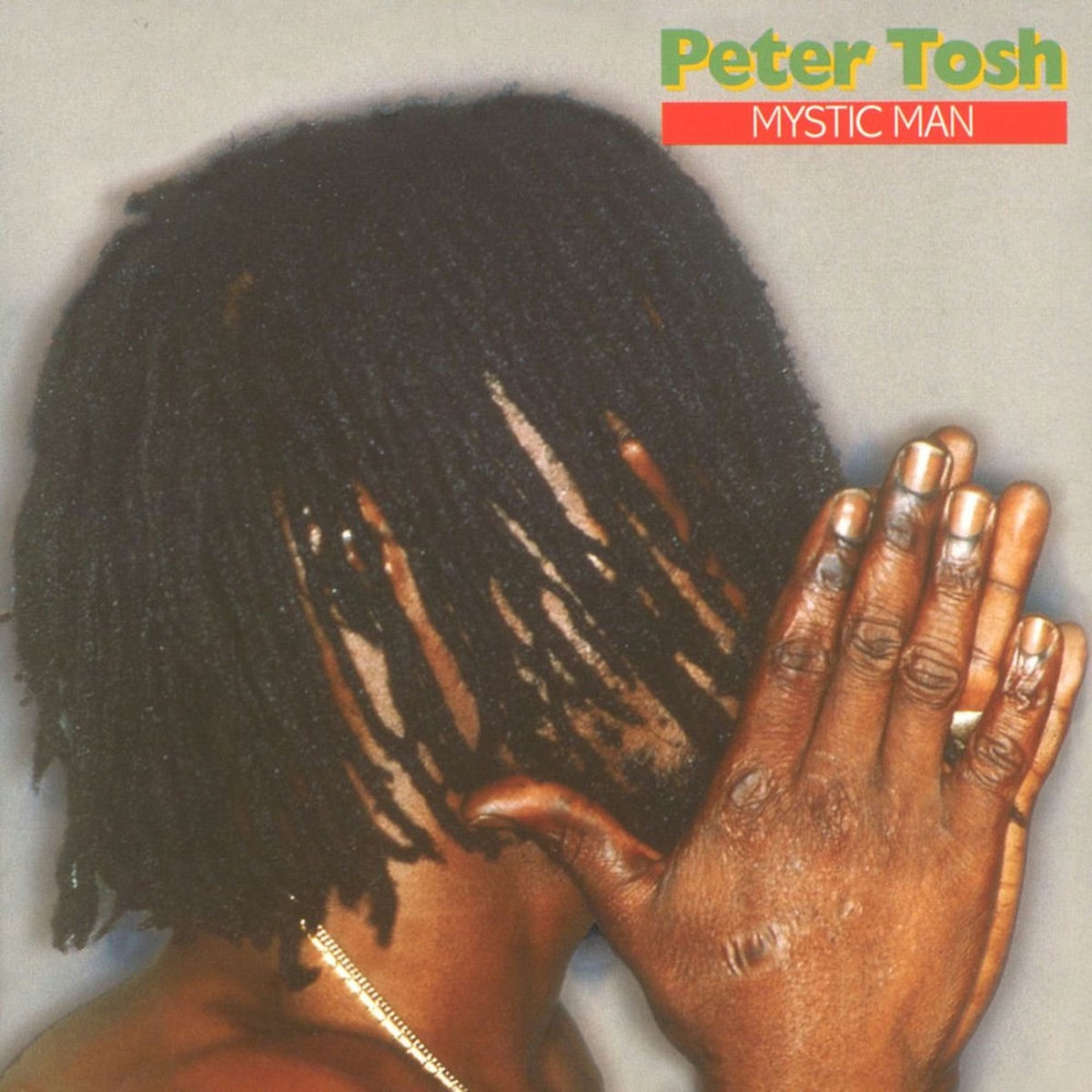
Mystic Man (2002) Mystic Man (2002)
Bush Doctor (1988) Bush Doctor (1988)
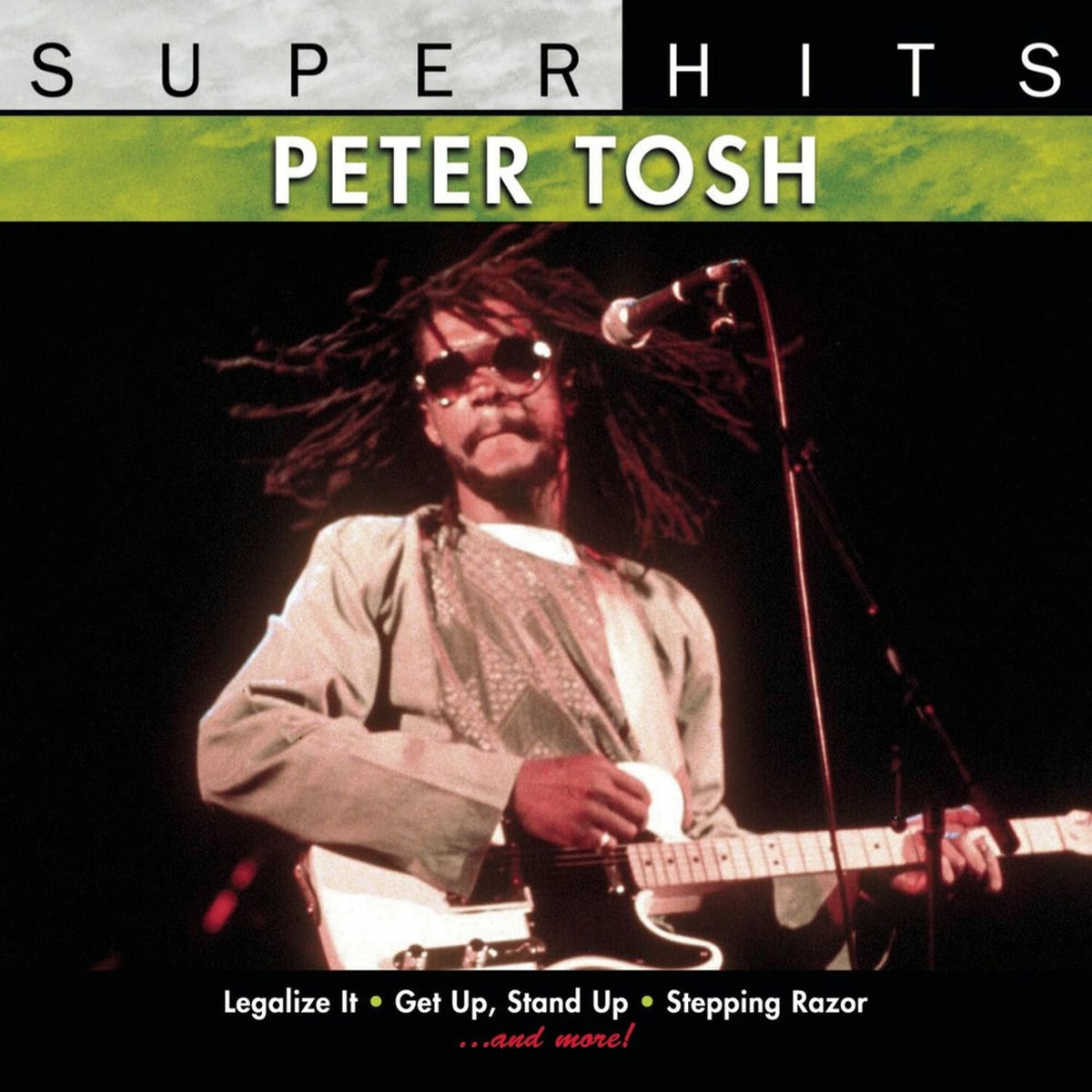
Super Hits (2001) Super Hits (2001)
Legalize It (2015) Legalize It (2015)
The Toughest (2015)
Peter Tosh 1978-1987 (2012)
Equal Rights (Legacy Edition) (2011)
Legalize It / Equals Rights (Coffret 2 Cd) (2003)
Les Indispensables (2001)
Honorary Citizen (2000)
Honorary Citizen (1997)
Honorary Citizen (1996)
The Toughest (1988)
No Nuclear War (1987)
Mama Africa (2000)
Wanted Dread And Alive (2002)
Mystic Man (2002)
Bush Doctor (1988)
Equal Rights (1998)
Equal Rights (2015)
Super Hits (2001)
Legalize It (2015)
Legalize It (1999)
Legalize It (1999)
Legalize It (Legacy Edition) (2011)
reggae
The Sunday Drop
One song. One story. Every Sunday.

No algorithms. No trending sections. Just a song someone loved and the story behind it. Delivered Sunday morning.

Free. No spam. Unsubscribe anytime.

Image Credits

1,449 artist portraits across 5 genres (Rock, Jazz, Soul, Blues, Folk). 1,363 sourced from Wikipedia (Creative Commons / Public Domain), 50 from Deezer (promotional artwork).

Full attribution breakdown →

0:00
0:00
The Sunday Drop One song. One story. Every Sunday.
Click any song to hear it in full or in part.