Natalie Cole
1950 – 2015 (65)
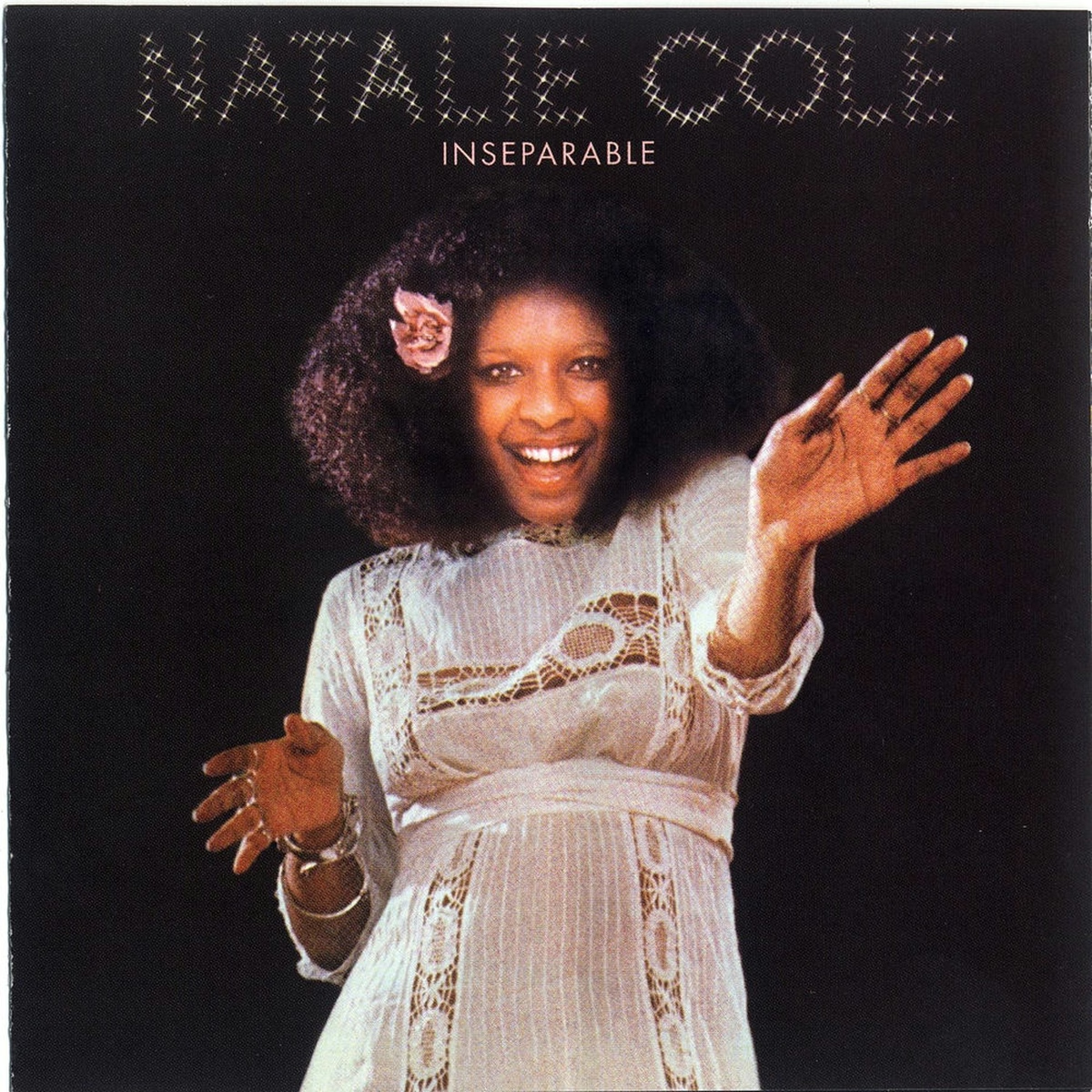
Natalie Cole walked into the 1970s wearing her father's name like a crown she did not ask for, and spent her whole career proving she could hold it without his shadow. The daughter of Nat King Cole came up on the Los Angeles circuit in the early 1970s, a girl with a gospel-trained voice and the nerve to sing R&B in the era of the whisper-sweet crooners. Her 1975 debut announced the plan: "This Will Be" hit like a handclap, and the follow-up "Inseparable" showed the ballad side of a woman who could swing both ways.
01 Unforgettable
02 Route 66
03 I Say A Little Prayer For You
04 Better Than Anything
05 Medley: For Sentimental Reasons / Tenderly / Autumn Leaves
B1 L-O-V-E
B2 Our Love Is Here To Stay
B3 Smile

Natalie Cole tracklist updated 08/2026

By 1976 she had taken Best New Artist at the Grammys, the first Black woman to do it, and the industry started calling her the new Aretha. The label stuck. The comparison did not scare her.

The story of Natalie Cole is a story of inheriting a voice and then building a second one. Her early records were pure 70s R&B, smooth enough for the quiet storm but sharp enough to cut through it. "I've Got Love On My Mind" rode the groove like it owned the road. "Our Love" and "Sophisticated Lady" kept her in the pocket. But the 1980s were brutal: cocaine addiction, a bankruptcy filing, the tabloids, the court dates. She has said the drugs nearly killed her more than once. What she did with the wreckage is the part people forget. She rebuilt. She went to rehab in 1983, came back, and started over with a sound that had more room in it, more patience, more of the jazz her father had left her.

Then came the record that made the inheritance a conversation instead of a burden. In 1991 she released Unforgettable: With Love, an album of her father's songs. The title track is the one everyone knows: she sang a duet with his 1961 vocal, a studio trick that should have been a gimmick and became something else entirely. Engineers pulled his voice from the master tape and she sang against it, a daughter answering a father who had been dead for twenty-six years. The song went to number one. The album sold seven million copies and swept the Grammys, including Album of the Year and Record of the Year. A dead man and his daughter won the room together.

She did not stop there. "A Smile Like Yours" and "The Very Thought of You" kept her in the spotlight through the 90s, and her later records leaned further into the standards, jazz, and the Brazilian songbook, a slow migration back toward the music that raised her. She toured into her sixties, sang with everyone from Ray Charles to Wynton Marsalis, and recorded a tribute to the songs of Nat King Cole that felt less like a memorial and more like a family reunion. The industry gave her nine Grammys across three decades. The audience gave her something harder to earn: they stopped hearing her father's name and started hearing hers.

She died in 2015 at sixty-five, of complications from hepatitis C, a condition she had fought for years after a kidney transplant in 2009. The obituaries called her a pioneer. She was more than that. She was the woman who took the heaviest inheritance in American music, a father so beloved his voice is furniture in every home that ever had a radio, and turned it from a shadow into a door.
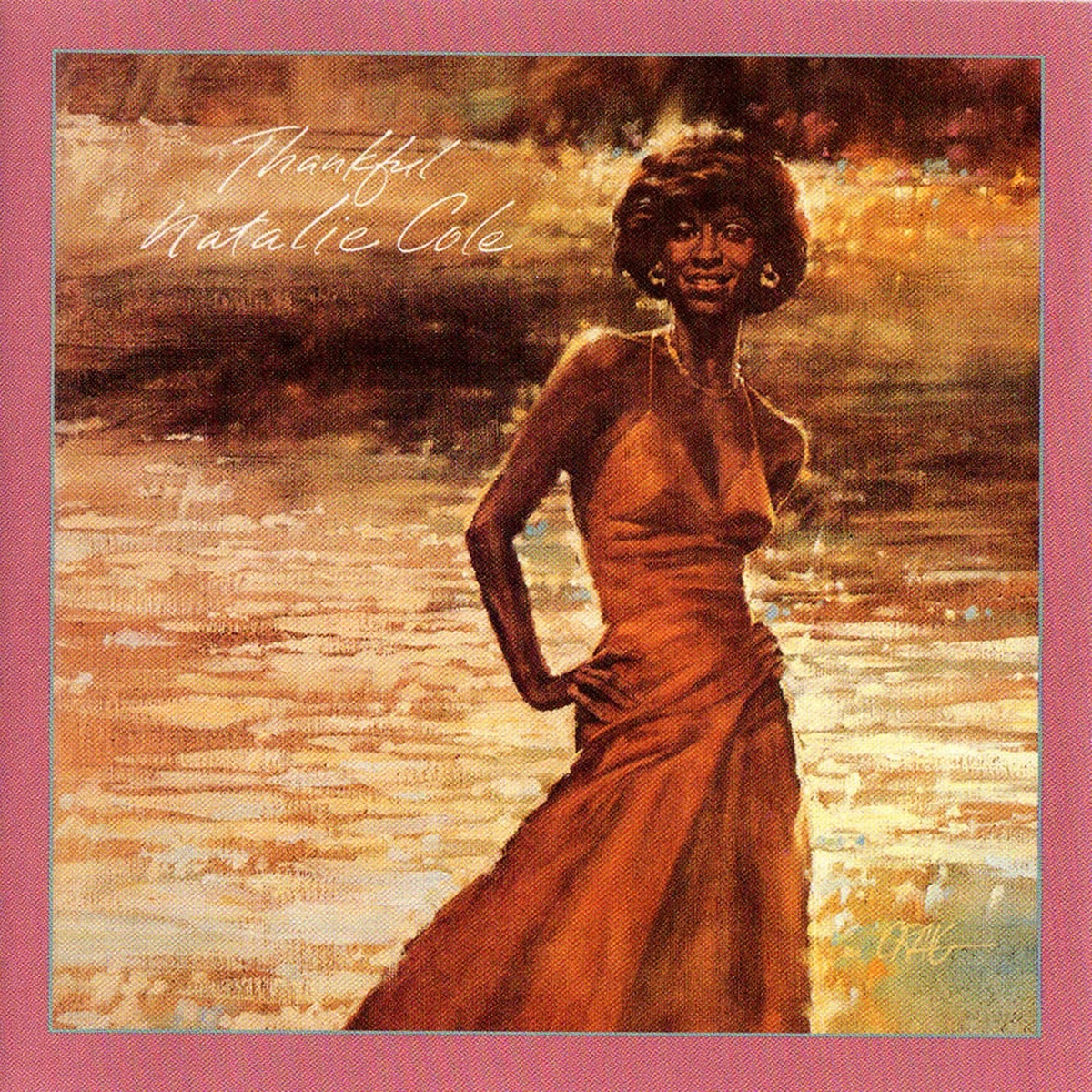
Thankful (1977)

Every daughter who ever stood under a great name and made her own knows what she did. She did not outrun Nat King Cole. She invited him back in, and sang loud enough that both of them could be heard.
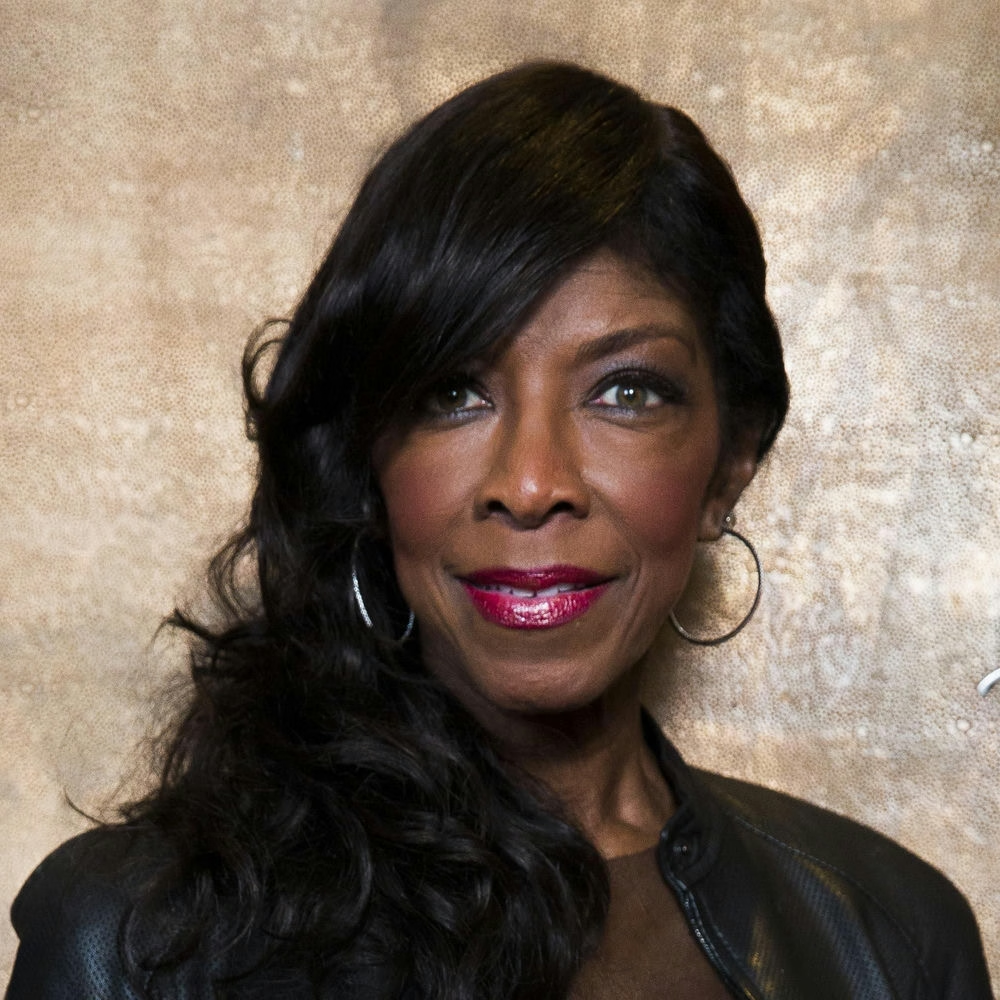
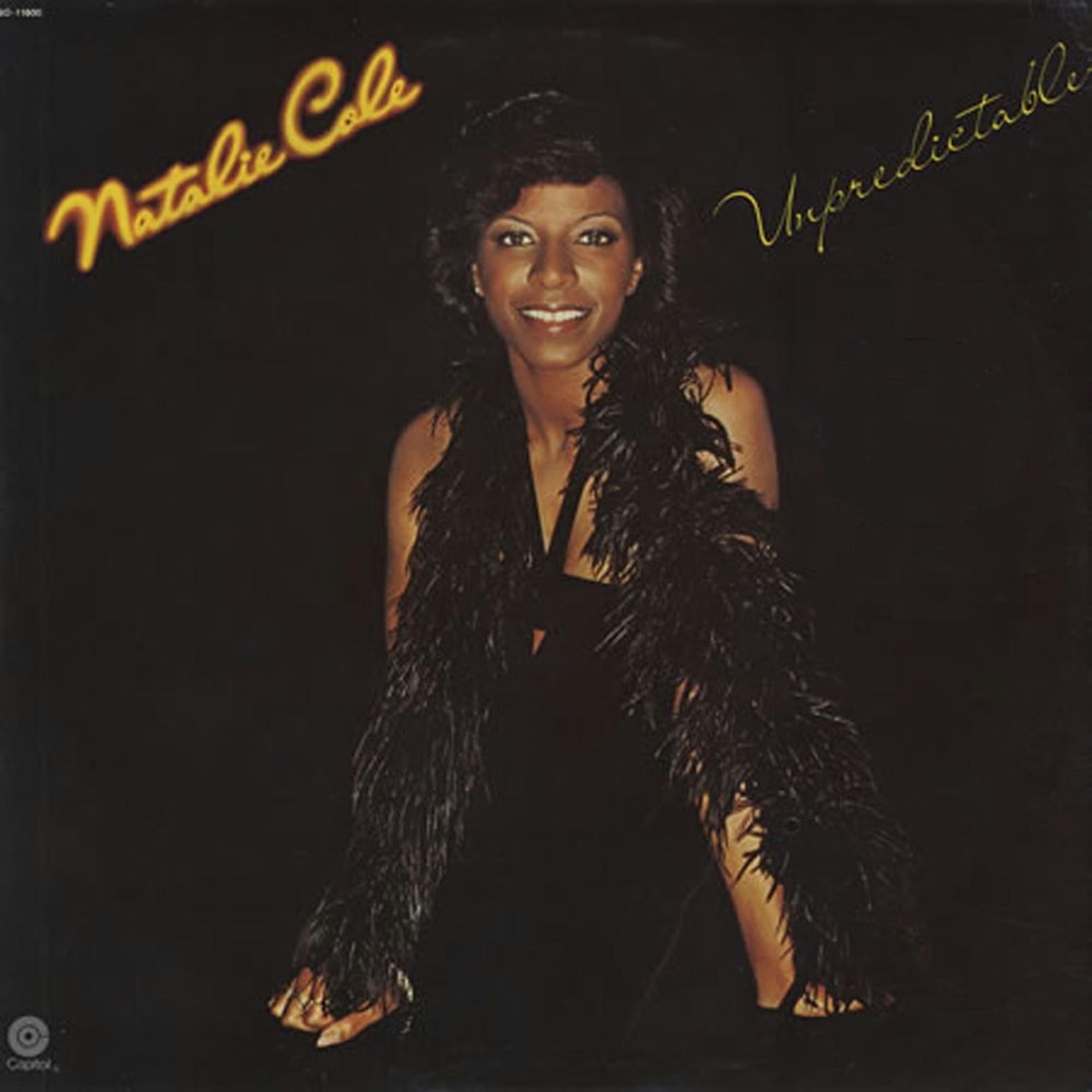
She did not stop there. "A Smile Like Yours" and "The Very Thought of You" kept her in the spotlight through the 90s, and her later records leaned further into the standards, jazz, and the Brazilian songbook, a slow migration back toward the music that raised her. She toured into her sixties, sang with everyone from Ray Charles to Wynton Marsalis, and recorded a tribute to the songs of Nat King Cole that felt less like a memorial and more like a family reunion. The industry gave her nine Grammys across three decades. The audience gave her something harder to earn: they stopped hearing her father's name and started hearing hers.

She died in 2015 at sixty-five, of complications from hepatitis C, a condition she had fought for years after a kidney transplant in 2009. The obituaries called her a pioneer. She was more than that. She was the woman who took the heaviest inheritance in American music, a father so beloved his voice is furniture in every home that ever had a radio, and turned it from a shadow into a door. Every daughter who ever stood under a great name and made her own knows what she did. She did not outrun Nat King Cole. She invited him back in, and sang loud enough that both of them could be heard.
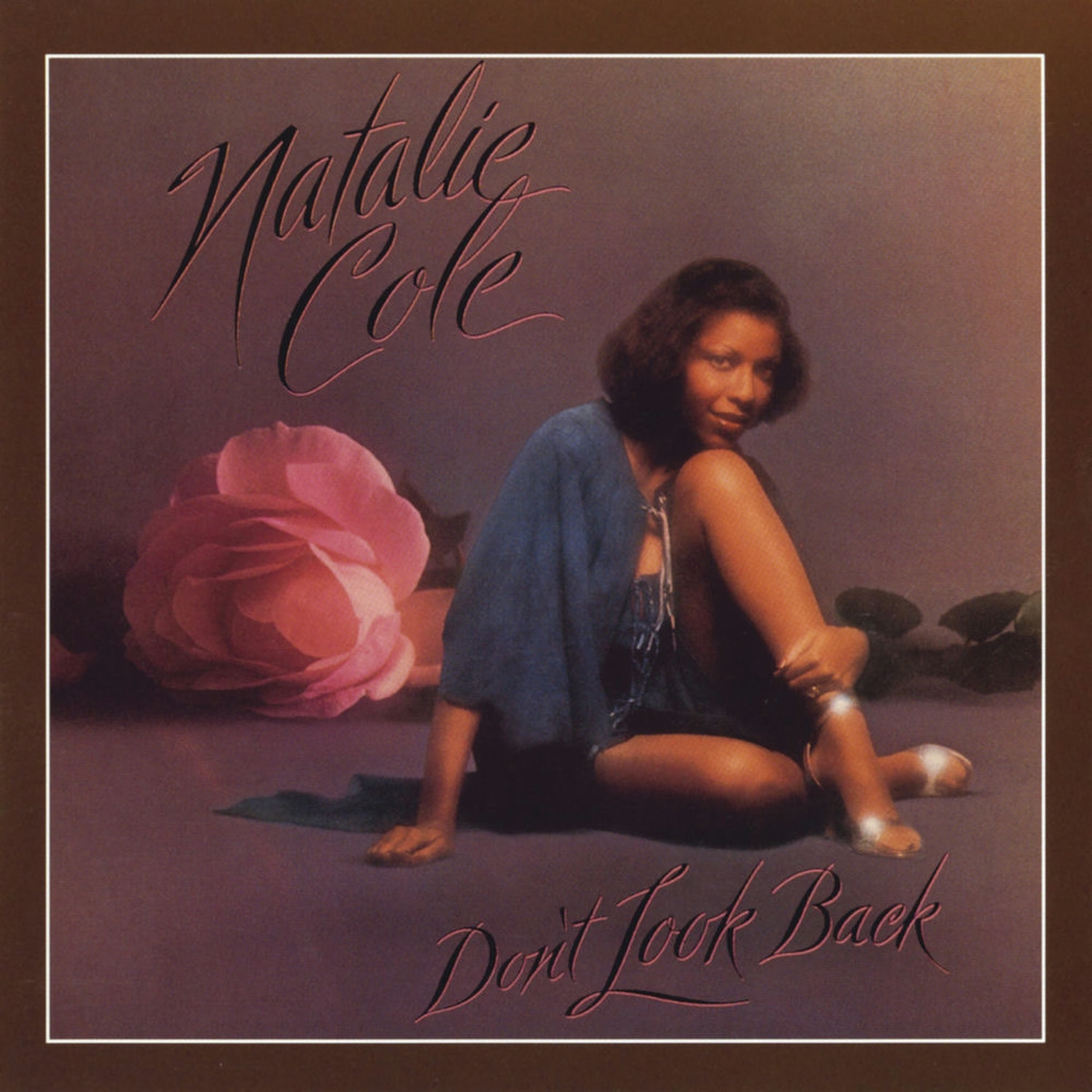
Image Credits

1,449 artist portraits across 5 genres (Rock, Jazz, Soul, Blues, Folk). 1,363 sourced from Wikipedia (Creative Commons / Public Domain), 50 from Deezer (promotional artwork).

Full attribution breakdown →

Natalie Cole

1950 – 2015 (65)
Natalie Cole walked into the 1970s wearing her father's name like a crown she did not ask for, and spent her whole career proving she could hold it without his shadow. The daughter of Nat King Cole came up on the Los Angeles circuit in the early 1970s, a girl with a gospel-trained voice and the nerve to sing R&B in the era of the whisper-sweet crooners. Her 1975 debut announced the plan: "This Will Be" hit like a handclap, and the follow-up "Inseparable" showed the ballad side of a woman who could swing both ways.
01 Unforgettable
02 Route 66
03 I Say A Little Prayer For You
04 Better Than Anything
05 Medley: For Sentimental Reasons / Tenderly / Autumn Leaves
B1 L-O-V-E
B2 Our Love Is Here To Stay
B3 Smile

Natalie Cole tracklist updated 08/2026

By 1976 she had taken Best New Artist at the Grammys, the first Black woman to do it, and the industry started calling her the new Aretha. The label stuck. The comparison did not scare her.

The story of Natalie Cole is a story of inheriting a voice and then building a second one. Her early records were pure 70s R&B, smooth enough for the quiet storm but sharp enough to cut through it. "I've Got Love On My Mind" rode the groove like it owned the road. "Our Love" and "Sophisticated Lady" kept her in the pocket. But the 1980s were brutal: cocaine addiction, a bankruptcy filing, the tabloids, the court dates. She has said the drugs nearly killed her more than once. What she did with the wreckage is the part people forget. She rebuilt. She went to rehab in 1983, came back, and started over with a sound that had more room in it, more patience, more of the jazz her father had left her.

Then came the record that made the inheritance a conversation instead of a burden. In 1991 she released Unforgettable: With Love, an album of her father's songs. The title track is the one everyone knows: she sang a duet with his 1961 vocal, a studio trick that should have been a gimmick and became something else entirely. Engineers pulled his voice from the master tape and she sang against it, a daughter answering a father who had been dead for twenty-six years.

Thankful (1977)

The song went to number one. The album sold seven million copies and swept the Grammys, including Album of the Year and Record of the Year. A dead man and his daughter won the room together.

She did not stop there. "A Smile Like Yours" and "The Very Thought of You" kept her in the spotlight through the 90s, and her later records leaned further into the standards, jazz, and the Brazilian songbook, a slow migration back toward the music that raised her. She toured into her sixties, sang with everyone from Ray Charles to Wynton Marsalis, and recorded a tribute to the songs of Nat King Cole that felt less like a memorial and more like a family reunion. The industry gave her nine Grammys across three decades. The audience gave her something harder to earn: they stopped hearing her father's name and started hearing hers.

She died in 2015 at sixty-five, of complications from hepatitis C, a condition she had fought for years after a kidney transplant in 2009. The obituaries called her a pioneer. She was more than that. She was the woman who took the heaviest inheritance in American music, a father so beloved his voice is furniture in every home that ever had a radio, and turned it from a shadow into a door. Every daughter who ever stood under a great name and made her own knows what she did. She did not outrun Nat King Cole. She invited him back in, and sang loud enough that both of them could be heard.
soulr&bjazz
The Sunday Drop
One song. One story. Every Sunday.

No algorithms. No trending sections. Just a song someone loved and the story behind it. Delivered Sunday morning.

Free. No spam. Unsubscribe anytime.

Image Credits

1,449 artist portraits across 5 genres (Rock, Jazz, Soul, Blues, Folk). 1,363 sourced from Wikipedia (Creative Commons / Public Domain), 50 from Deezer (promotional artwork).

Full attribution breakdown →

0:00
0:00
The Sunday Drop Song. Story. Sundays.
Click any song to hear it in full or in part.