Who Did It Better
Let the Good Times Roll
Come on, baby, let the good times roll
Let the good times roll
Let the Good Times Roll 0:30 is the simplest proposition there is. Be happy with me right now. Not complicated. Not conditional. Not deferred to some future date when conditions improve. Come on baby, let the good times roll.
The song does not argue or convince. It invites. The only requirement is showing up ready to receive what the moment offers. Joy is not earned through effort. It is accepted through presence.
The Original -- 1958
Ray Charles
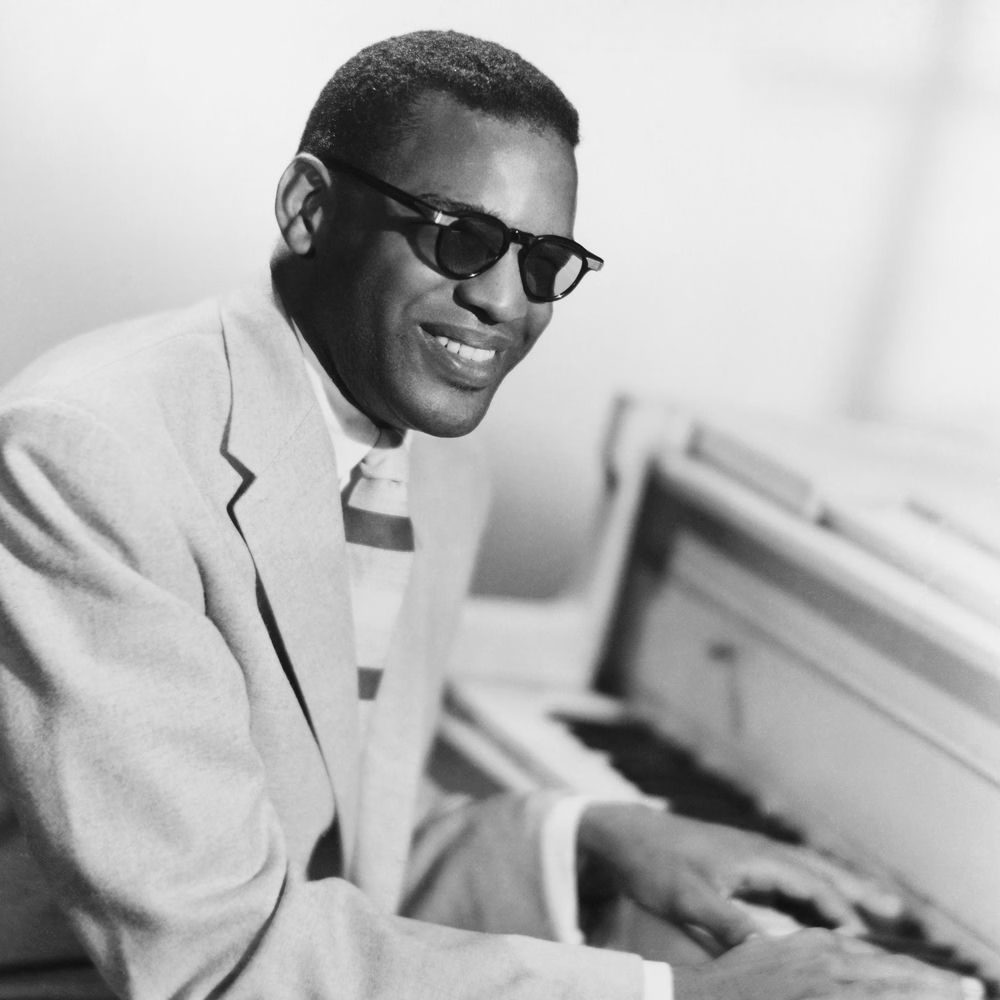
"Let the Good Times Roll" is a party starter that predates rock and roll itself. Ray Charles recorded it in 1959 as an up-tempo celebration built on a call-and-response structure that goes back to the earliest gospel and blues. The song does not need complex lyrics. It needs energy. It needs an audience willing to answer back. Charles understood that the simplest invitations are the hardest to refuse. Let the good times roll is not a request. It is a command that nobody has ever successfully ignored.
B.B. King covered it and let Lucille do the inviting. Charles used his voice and the Raelettes. King used his guitar and his band. The command is the same. The instrument delivering it is the only difference. Both men knew that the good times do not start on their own. Someone has to start them. The music is the starter fluid.
The Cover -- 1976
B.B. King
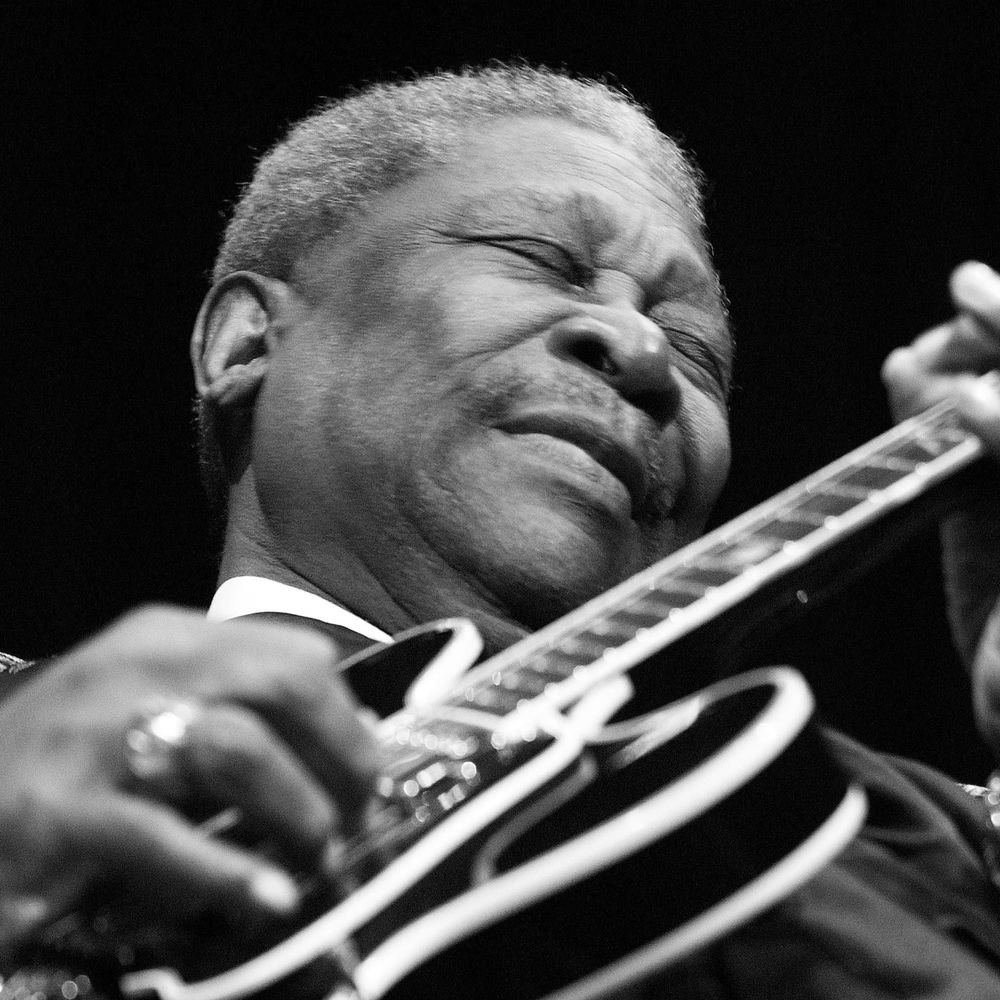
B.B. King covered it and let Lucille do the inviting. Charles used his voice and the Raelettes. King used his guitar and his band. The command is the same. The instrument delivering it is the only difference. Both men knew that the good times do not start on their own. Someone has to start them. The music is the starter fluid.
Image Credits
1,414 artist portraits across 5 genres (Rock, Jazz, Soul, Blues, Folk). 1,363 sourced from Wikipedia (Creative Commons / Public Domain), 50 from Deezer (promotional artwork).