Who Did It Better
Got to Give It Up
Got to give it up
Got to give it up
Got to Give It Up 0:30 is about the moment resistance crumbles and the rhythm wins. A man on the dance floor fighting his own shyness until surrender becomes the only way through. He stops protecting his cool long enough to let the night take him.
Giving it up means letting the music move through you without apology. The pretense falls away and something truer steps forward. Losing control is not losing anything. It is finally finding how to move.
The Original -- 1977
Marvin Gaye
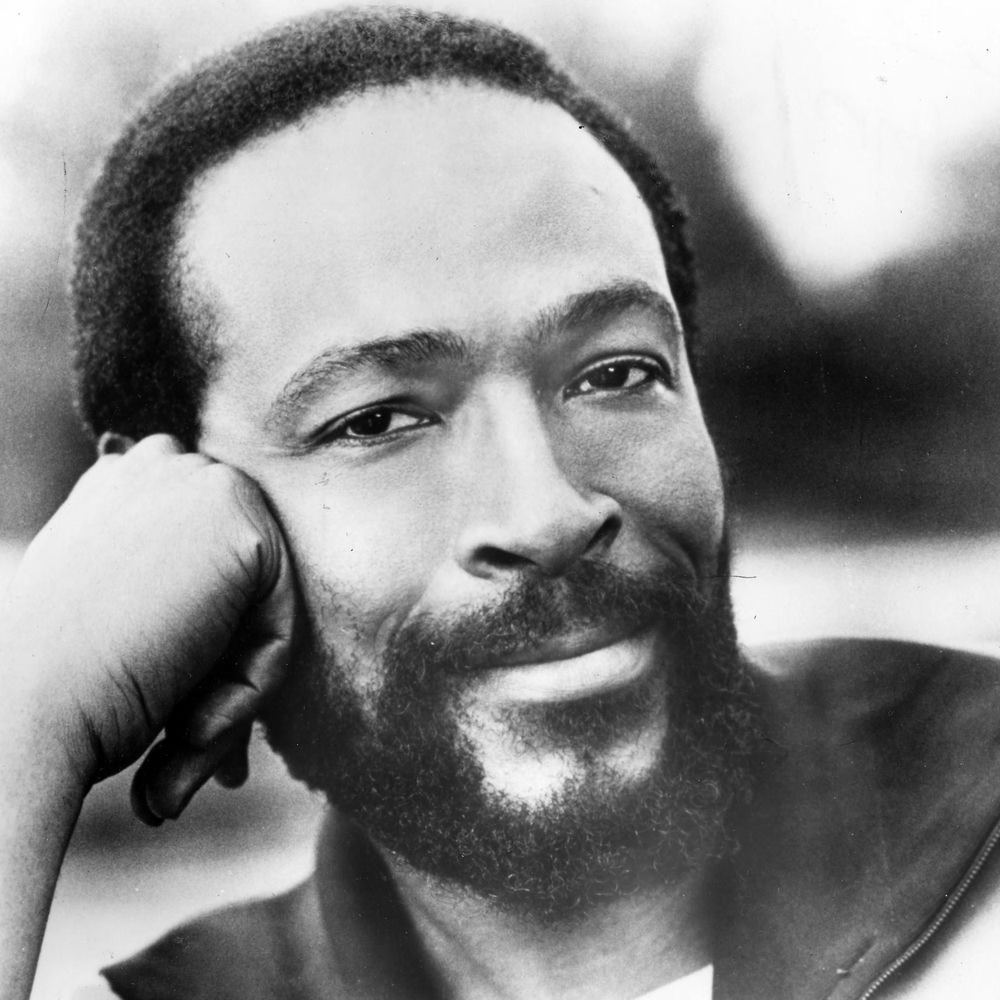
"Got to Give It Up" is Marvin Gaye using the language of surrender to describe the opposite. He recorded it in 1977 as a party track about a man who is shy at a dance and finally decides to let go. about the internal battle between wanting to join the fun and being too self-conscious to move. Marvin understood that the hardest dance move is the first one. After that, the body takes over. The giving up he describes is not defeat. It is release.
Aaliyah sampled it in 1996 and proved the same surrender works across generations. Gaye recorded it at the height of disco, a live-in-the-studio jam with glasses clinking and people laughing in the background. Aaliyah stripped it down, made it sleeker, and let the groove speak for itself. The shyness is the same. The solution is the same. Let the music take over. Stop thinking. Start moving.
The Cover -- 1996
Aaliyah

Aaliyah sampled it in 1996 and proved the same surrender works across generations. Gaye recorded it at the height of disco, a live-in-the-studio jam with glasses clinking and people laughing in the background. Aaliyah stripped it down, made it sleeker, and let the groove speak for itself. The shyness is the same. The solution is the same. Let the music take over. Stop thinking. Start moving.
Image Credits
1,414 artist portraits across 5 genres (Rock, Jazz, Soul, Blues, Folk). 1,363 sourced from Wikipedia (Creative Commons / Public Domain), 50 from Deezer (promotional artwork).