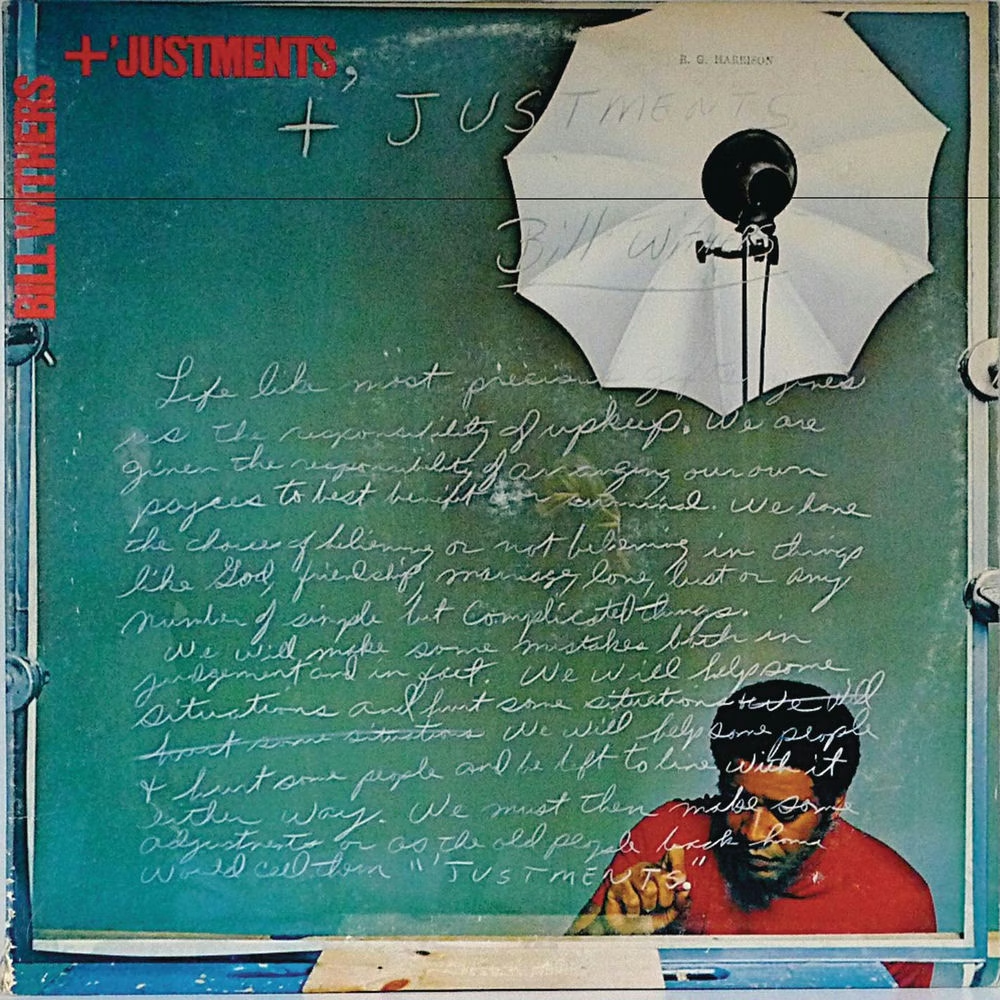
Bill Withers tracklist updated 08/2026
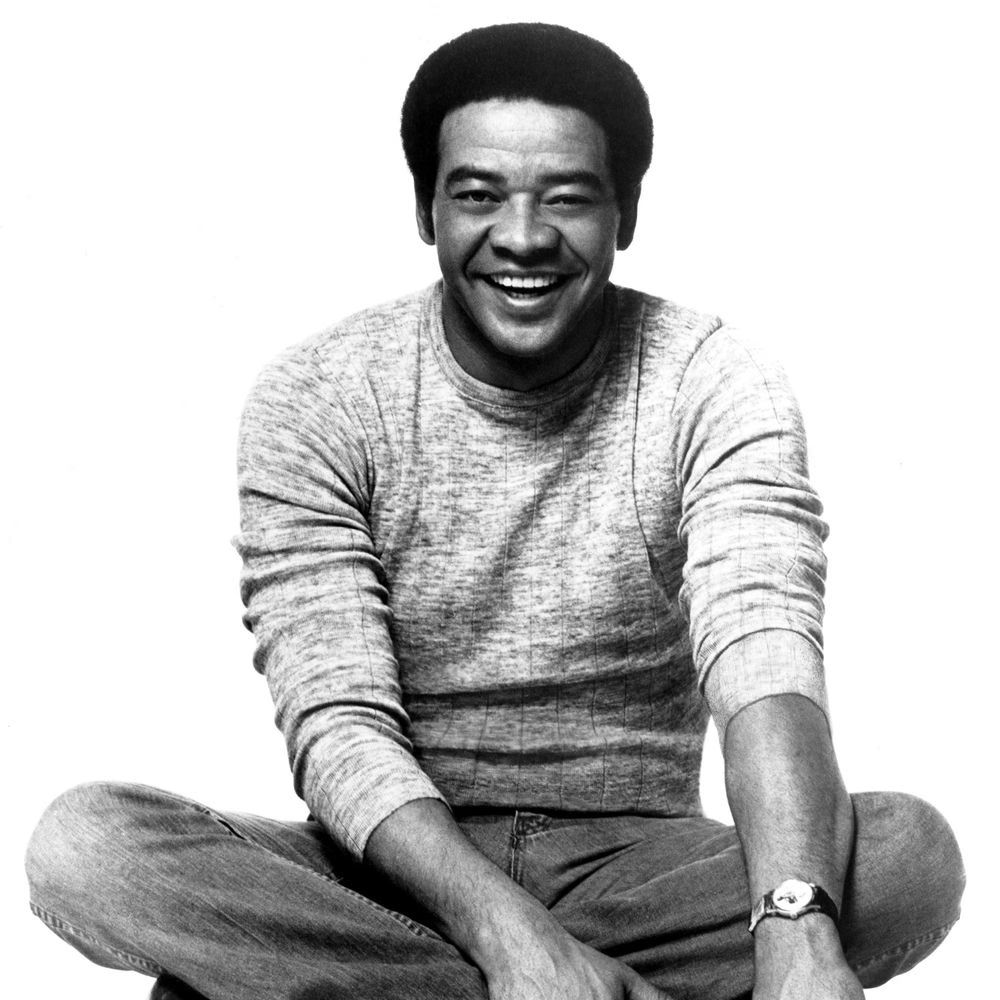
Withers walked into an industry that wanted flash and he gave them gravity. He recorded his first album in 1971 and it included "Ain't No Sunshine," a song he wrote about a relationship he had never been in. It became one of the defining records of the decade. The industry did not know how to market a Black man who was not angry and not sexy and not dancing. He was simply present. He did not perform. He was. His songs were stories about everyday life -- leaning on a friend, missing someone, getting through the day. They were so simple they seemed easy. They were not easy. They were distilled. Withers had taken the complexity of living and boiled it down to three minutes that felt like they had always existed.
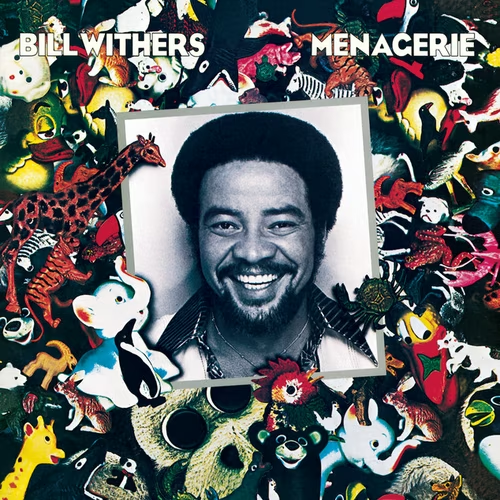
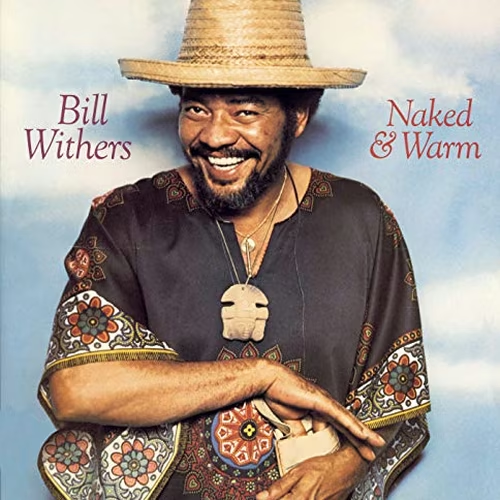
"Lean on Me" became an anthem not because it was clever but because it was true. The organ in the background. The voices climbing toward a chorus that everyone already knew. Withers wrote the song about his childhood in West Virginia, about the community that held each other up when things got dangerous. He did not write for the charts. He wrote for the people he had known. That authenticity could not be faked. It could not be replicated. It was a specific kind of Black working-class wisdom that the music industry had no vocabulary for because the industry did not have a category for a man who was wise without being bitter. Withers kept making music through the 1970s, building a catalog that would outlast every trend.
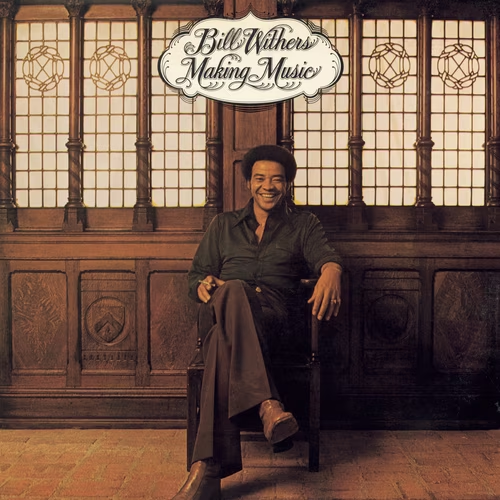
He stopped. He walked away at the height of his powers because the industry did not respect him and he did not need the money and he did not want to be a product. That is almost unheard of. He died in 2020, having spent decades out of the spotlight, building things with his hands, living the quiet life that his songs had always described. Bill Withers proved that you could make the most enduring music of your generation and still refuse to be consumed by it. He made the music. He gave it to us. And then he went home. That might be the most radical thing any artist has ever done. He showed us that the point is not to be famous. The point is to be free.
He stopped. He walked away at the height of his powers because the industry did not respect him and he did not need the money and he did not want to be a product. That is almost unheard of. He died in 2020, having spent decades out of the spotlight, building things with his hands, living the quiet life that his songs had always described. Bill Withers proved that you could make the most enduring music of your generation and still refuse to be consumed by it. He made the music. He gave it to us. And then he went home. That might be the most radical thing any artist has ever done. He showed us that the point is not to be famous. The point is to be free.
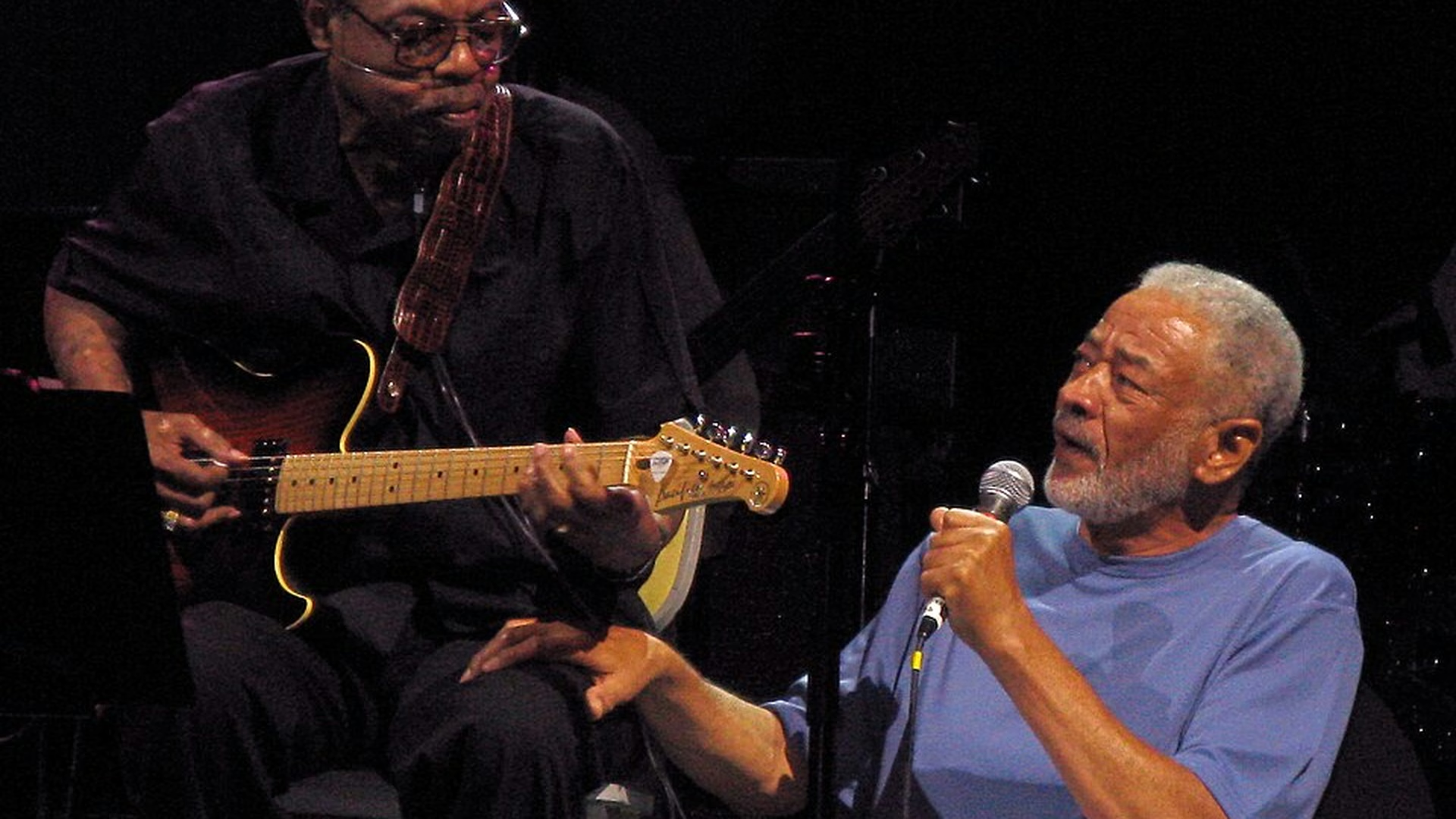
Bill Withers was profiled in the documentary, Still Bill, in 2009.