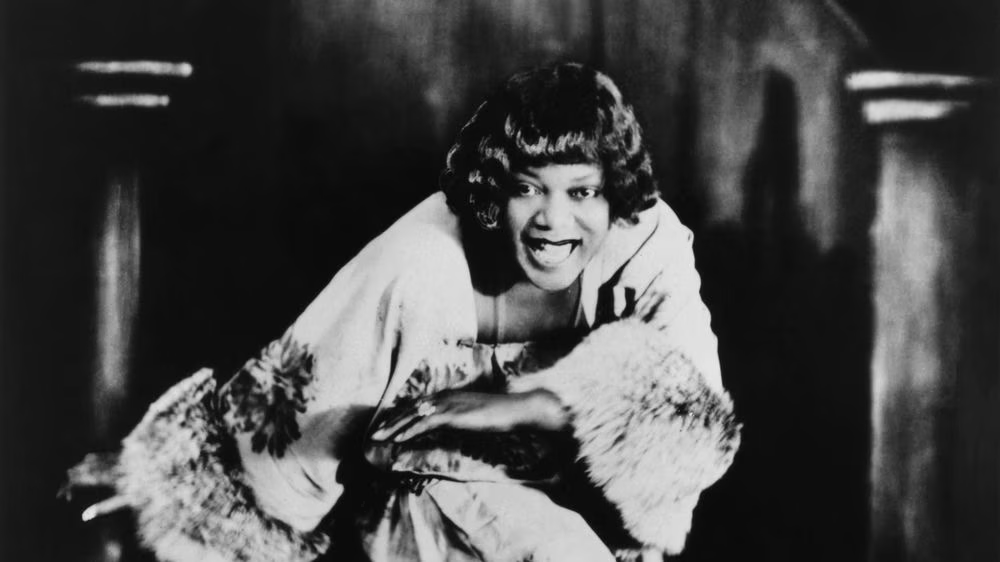
Bessie Smith
1894 – 1937 (43)
The Empress of the Blues

The earth did not open up when she sang. It closed. Everything that was loose and restless in the air got pulled into her throat and came out as a sound so heavy it bent the room.

0:30
0:30
0:30
0:30

Bessie Smith was born in Chattanooga in 1894, and she learned early that the world did not owe her anything. She sang on street corners for pennies before she ever saw a stage. By the time she walked into a recording studio, she had already lived the blues she would sing. She did not perform suffering. She performed survival, which is a different thing entirely. Survival has teeth. It does not ask permission.

Smith came up in the traveling tent shows where Black performers worked for whatever audience would pay, building a reputation note by note in front of people who had never heard anything like her. She did not care who was watching. She took the stage and she made every room feel the weight of what she carried. In 1923, she recorded "Downhearted Blues" with Louis Armstrong and Fletcher Henderson behind her. The record sold hundreds of thousands of copies and made her the highest-paid Black entertainer in the country. The money was real. The freedom was real. And the cost was also real: she drank, she fought, she loved who she wanted, and the industry punished her for it. The blues life consumed everyone who lived it honestly. The only question was how long you could stay upright before the weight pulled you under.

Bessie Smith interview 1990

Her voice did what no other voice of her time could do. It carried the full story of what it meant to be Black and female and broke and angry and in love and betrayed and still standing. Louis Armstrong's cornet danced around her and Fletcher Henderson's piano held the floor, but Smith was the center of gravity. Nothing moved until she moved it.

The Collection (1989)

She recorded with the best musicians of the era and she out-sang every one of them because she understood that technique was useless without truth. The blues was not a style she adopted. It was the air she breathed. She made the recording industry understand that Black women's stories were profitable, which was a weapon and a cage at the same time. She could not escape it. She did not try. She just sang louder.

She died in 1937 in a car crash on a Mississippi highway. There are stories about what happened after. The facts are contested. What is not contested is that the Empress of the Blues was gone at forty-three, and the music world never replaced her. Every blues singer who came after stood in her shadow. They all knew who opened the door. Bessie Smith did not invent the blues. She just proved that the blues could be a throne. She sat on it until the wheels came off. Her voice still echoes through every woman who has ever stood in front of a microphone and decided to tell the truth about what it costs to be alive.
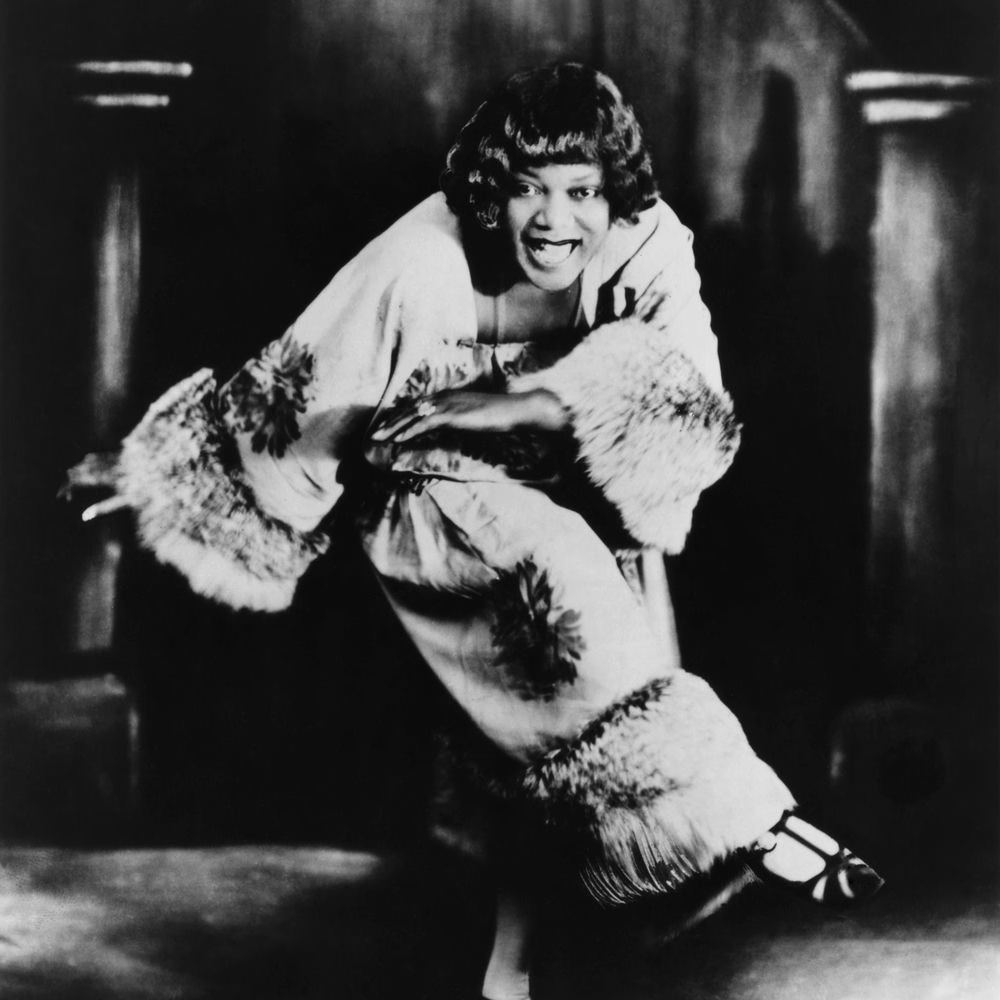

Image Credits

1,414 artist portraits across 5 genres (Rock, Jazz, Soul, Blues, Folk). 1,363 sourced from Wikipedia (Creative Commons / Public Domain), 50 from Deezer (promotional artwork).

Full attribution breakdown →

Bessie Smith

1894 – 1937 (43)
The Empress of the Blues

The earth did not open up when she sang. It closed. Everything that was loose and restless in the air got pulled into her throat and came out as a sound so heavy it bent the room.

0:30
0:30
0:30
0:30

Bessie Smith was born in Chattanooga in 1894, and she learned early that the world did not owe her anything. She sang on street corners for pennies before she ever saw a stage. By the time she walked into a recording studio, she had already lived the blues she would sing. She did not perform suffering. She performed survival, which is a different thing entirely. Survival has teeth. It does not ask permission.

Smith came up in the traveling tent shows where Black performers worked for whatever audience would pay, building a reputation note by note in front of people who had never heard anything like her. She did not care who was watching. She took the stage and she made every room feel the weight of what she carried. In 1923, she recorded "Downhearted Blues" with Louis Armstrong and Fletcher Henderson behind her. The record sold hundreds of thousands of copies and made her the highest-paid Black entertainer in the country. The money was real. The freedom was real. And the cost was also real: she drank, she fought, she loved who she wanted, and the industry punished her for it. The blues life consumed everyone who lived it honestly. The only question was how long you could stay upright before the weight pulled you under.

Bessie Smith interview 1990

Her voice did what no other voice of her time could do. It carried the full story of what it meant to be Black and female and broke and angry and in love and betrayed and still standing. Louis Armstrong's cornet danced around her and Fletcher Henderson's piano held the floor, but Smith was the center of gravity. Nothing moved until she moved it.

The Collection (1989)

She recorded with the best musicians of the era and she out-sang every one of them because she understood that technique was useless without truth. The blues was not a style she adopted. It was the air she breathed. She made the recording industry understand that Black women's stories were profitable, which was a weapon and a cage at the same time. She could not escape it. She did not try. She just sang louder.

She died in 1937 in a car crash on a Mississippi highway. There are stories about what happened after. The facts are contested. What is not contested is that the Empress of the Blues was gone at forty-three, and the music world never replaced her. Every blues singer who came after stood in her shadow. They all knew who opened the door. Bessie Smith did not invent the blues. She just proved that the blues could be a throne. She sat on it until the wheels came off. Her voice still echoes through every woman who has ever stood in front of a microphone and decided to tell the truth about what it costs to be alive.

The Collection (1989) The Collection (1989)
The Complete Recordings Vol 1 (1991) The Complete Recordings Vol 1 (1991)
The Essential Bessie Smith (1997) The Essential Bessie Smith (1997)
The Collection (1989)
The Complete Recordings Vol 1 (1991)
The Essential Bessie Smith (1997)
bluesclassic female blues
The Sunday Drop
One song. One story. Every Sunday.

No algorithms. No trending sections. Just a song someone loved and the story behind it. Delivered Sunday morning.

Free. No spam. Unsubscribe anytime.

Image Credits

1,414 artist portraits across 5 genres (Rock, Jazz, Soul, Blues, Folk). 1,363 sourced from Wikipedia (Creative Commons / Public Domain), 50 from Deezer (promotional artwork).

Full attribution breakdown →

0:00
0:00